
 1 / 5
1 / 5 Specialty Barrier & Protection Materials
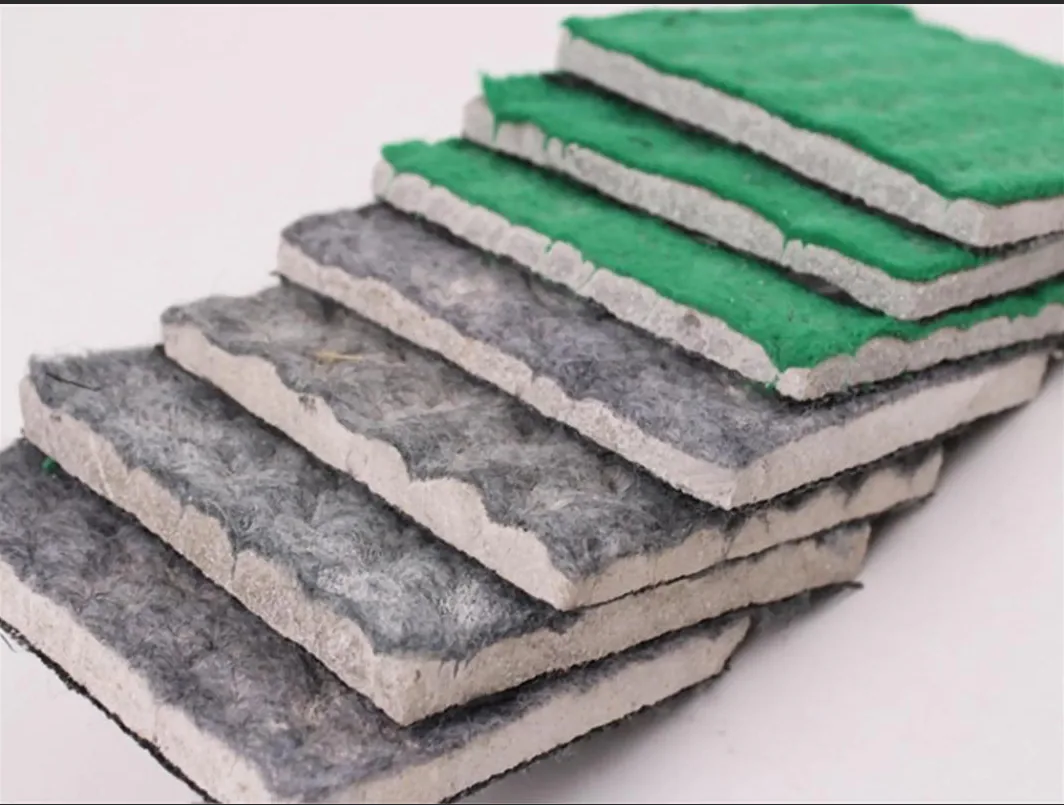
Cement Blanket (GCCM)
- Product Description
- A water-activated cementitious composite for rapid ditch lining, slope protection, canal reinforcement and emergency works.
- Reference Standards / Selected Test Methods
- Project specification / strength and abrasion tests
Supply Information
- Color
- Grey / custom
- Warranty
- Confirmed by project conditions and contract terms
- Sample
- Available; sample fee and freight confirmed by destination
- Minimum order quantity
- Confirmed by specification, roll size and packing plan
Applications: Drainage channels · Slope protection · Riverbanks · Highway side ditches · Culvert outlet repair
Key Benefits
Water activated
Abrasion resistance
Impact resistance
Specialty Barrier & Protection Materials
Why Choose Us?
Factory-Direct Production
Specifications are coordinated directly with production, making order status, revisions and batch records easier to verify.
Project-Oriented Specifications
Grade, dimensions, test methods and packaging are confirmed against the application and procurement documents.
Export Documentation Support
Roll identification, packing records, loading photos and commercial shipping documents can be prepared for procurement review.
Procurement FAQ · Specialty Barrier & Protection Materials
Common Questions Before Ordering
Confirm the project conditions, applicable standard and required test documents before ordering. Our export and technical teams can assist with product selection, custom roll planning and delivery coordination.
Cement Blanket (GCCM)
01 How does a cement blanket cure after contact with water?
Water hydrates the dry cementitious matrix held between the textile layers, forming a thin durable concrete lining. The specified water quantity, complete wetting, ambient temperature, working time and curing protection must follow the product method statement. Factory data and installation guidance are available for project review.
02 What should be considered for river, canal and drainage works?
Review flow velocity, uplift, erosion, bank geometry, anchorage, joints, penetrations, wet-weather access and protection at inlets and outlets. Cement blankets require complete hydration and secure overlaps; GCL requires confinement and protection from washout. The project hydraulic and structural design determines the final system.
03 What are the main laying and overlap requirements?
Use a smooth prepared base, orient rolls to suit drainage and slope, stagger transverse joints, keep the specified overlap, seal or fix joints as required, detail penetrations carefully and install cover or anchors promptly. Exact overlaps and fasteners vary by product and project, so the approved drawings and method statement take precedence.
04 How are specialty waterproofing products inspected and supplied?
Inspection items are matched to the product specification, such as mass, thickness, tensile or peel properties, bentonite mass and permeability for GCL, or hydration and mechanical properties for cement blankets. We can coordinate custom dimensions, labels, moisture-protective export packing, batch reports and remote or agreed on-site installation guidance.
Conditional Use
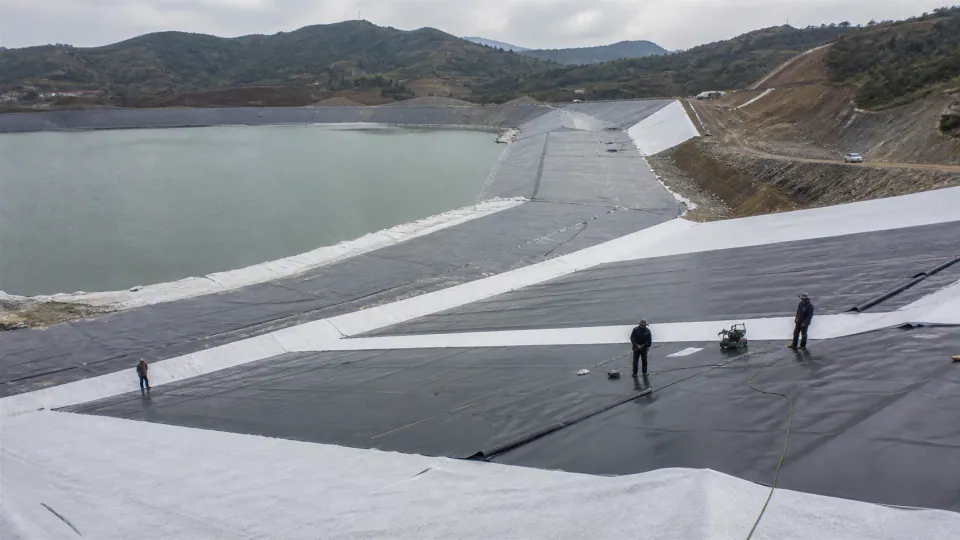
Hydraulic & Water Infrastructure
Use only after checking the medium, structure, subgrade and construction conditions against the approved design.
Learn More →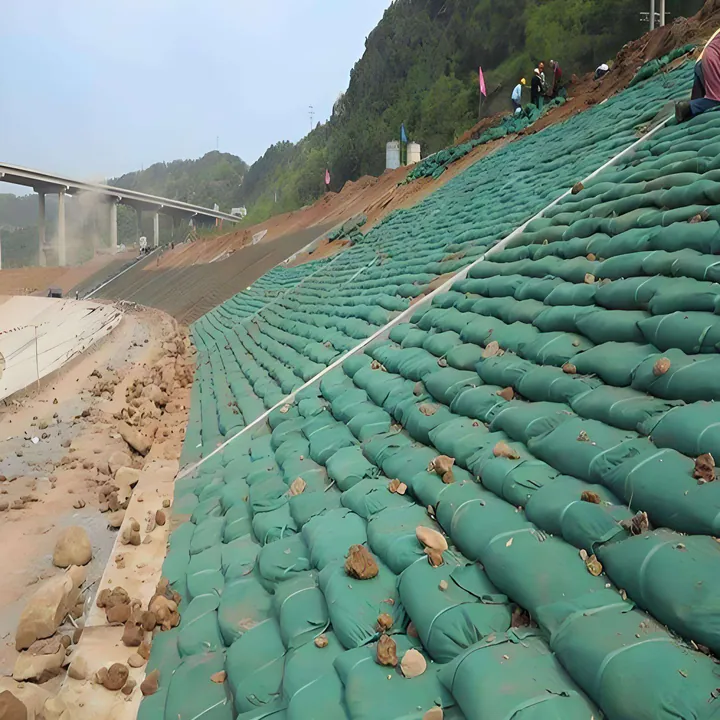
Conditional Use
Riverbank & Channel Rehabilitation
Use only after checking the medium, structure, subgrade and construction conditions against the approved design.
Learn More →Specialty Barrier & Protection Materials
Recommended Products
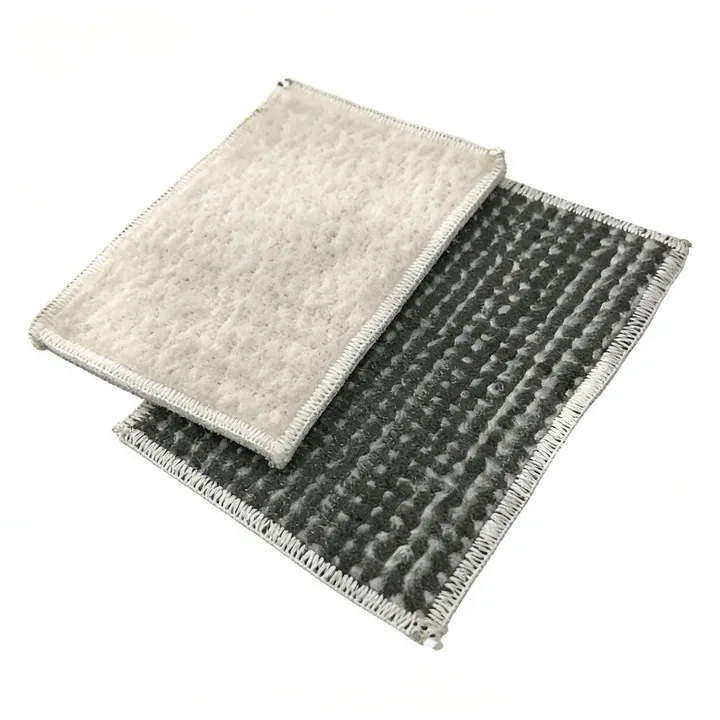
Geosynthetic Clay Liner (GCL)
A factory-produced sodium-bentonite hydraulic barrier for landfill, pond, canal and underground waterproofing systems.
Learn More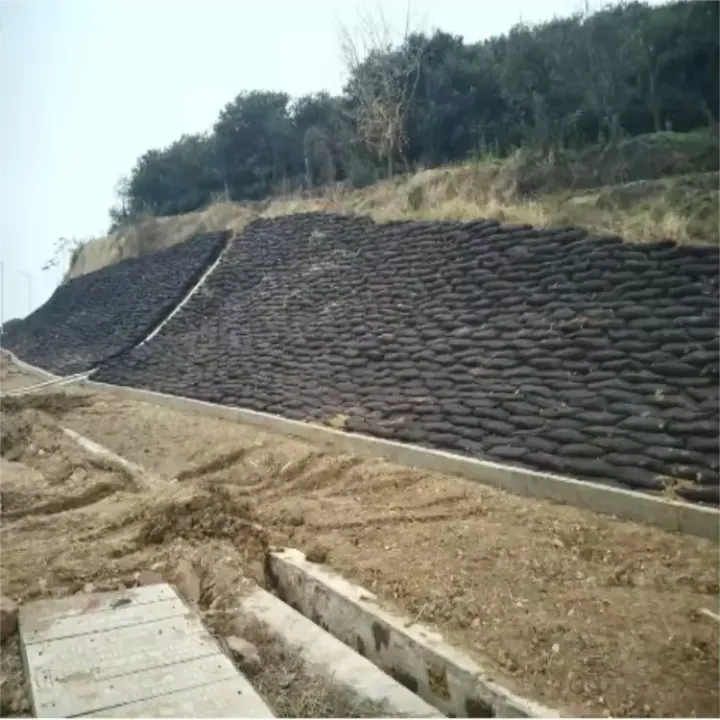
Geobag
Site-filled geotextile bags for flexible erosion control, ecological slopes, shorelines and riverbank protection.
Learn More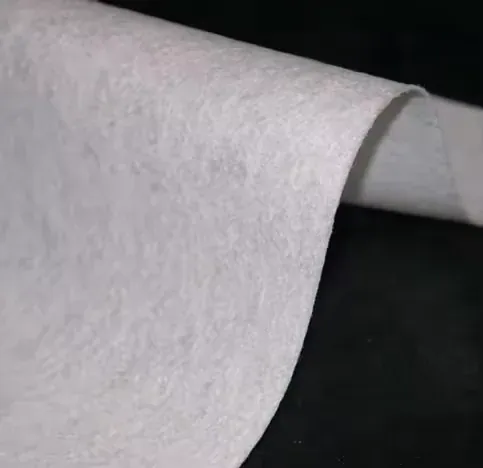
Short-Fiber Nonwoven Geotextile
A cost-effective staple-fiber geotextile for filtration, drainage, cushioning and general civil separation.
Learn MoreNeed a Cement Blanket (GCCM) Quotation?
Prepare the thickness, quantity, application and destination port for an accurate quotation.