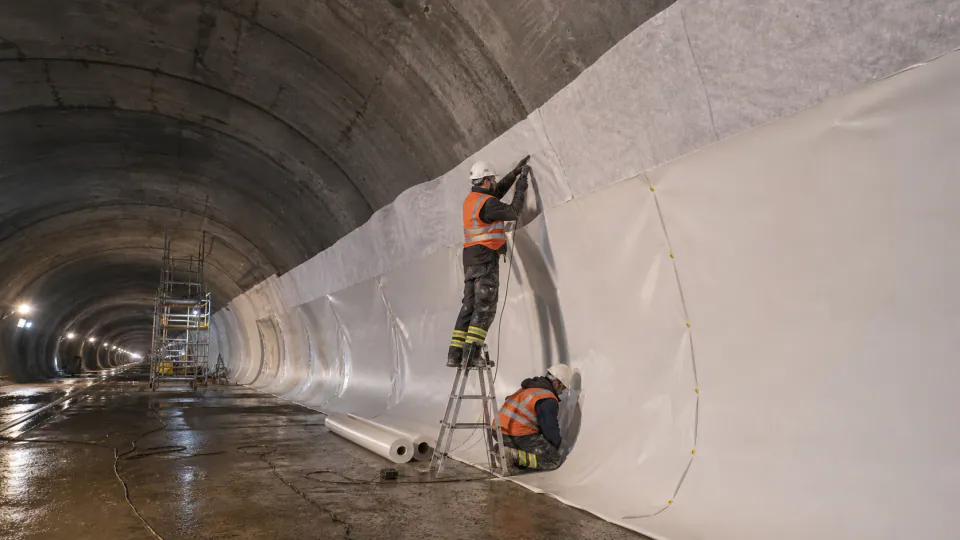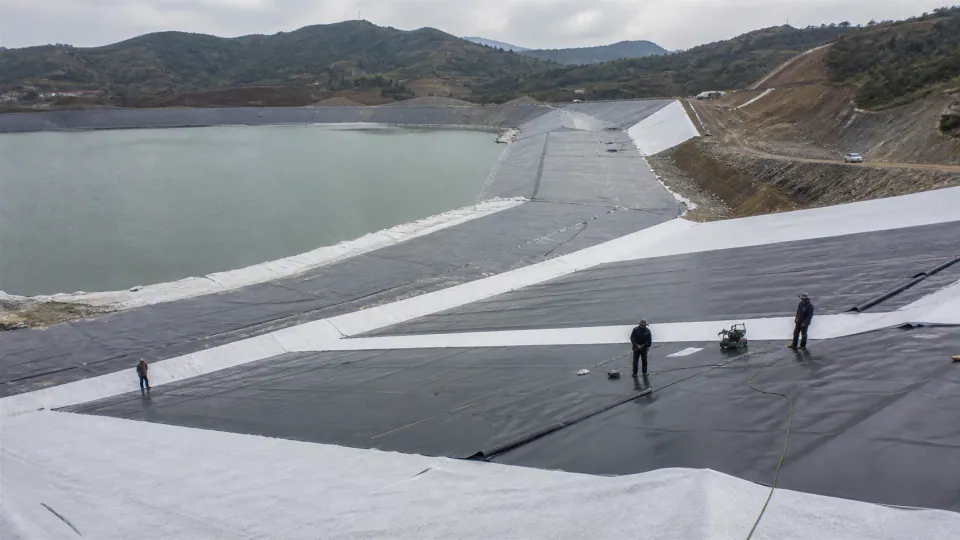
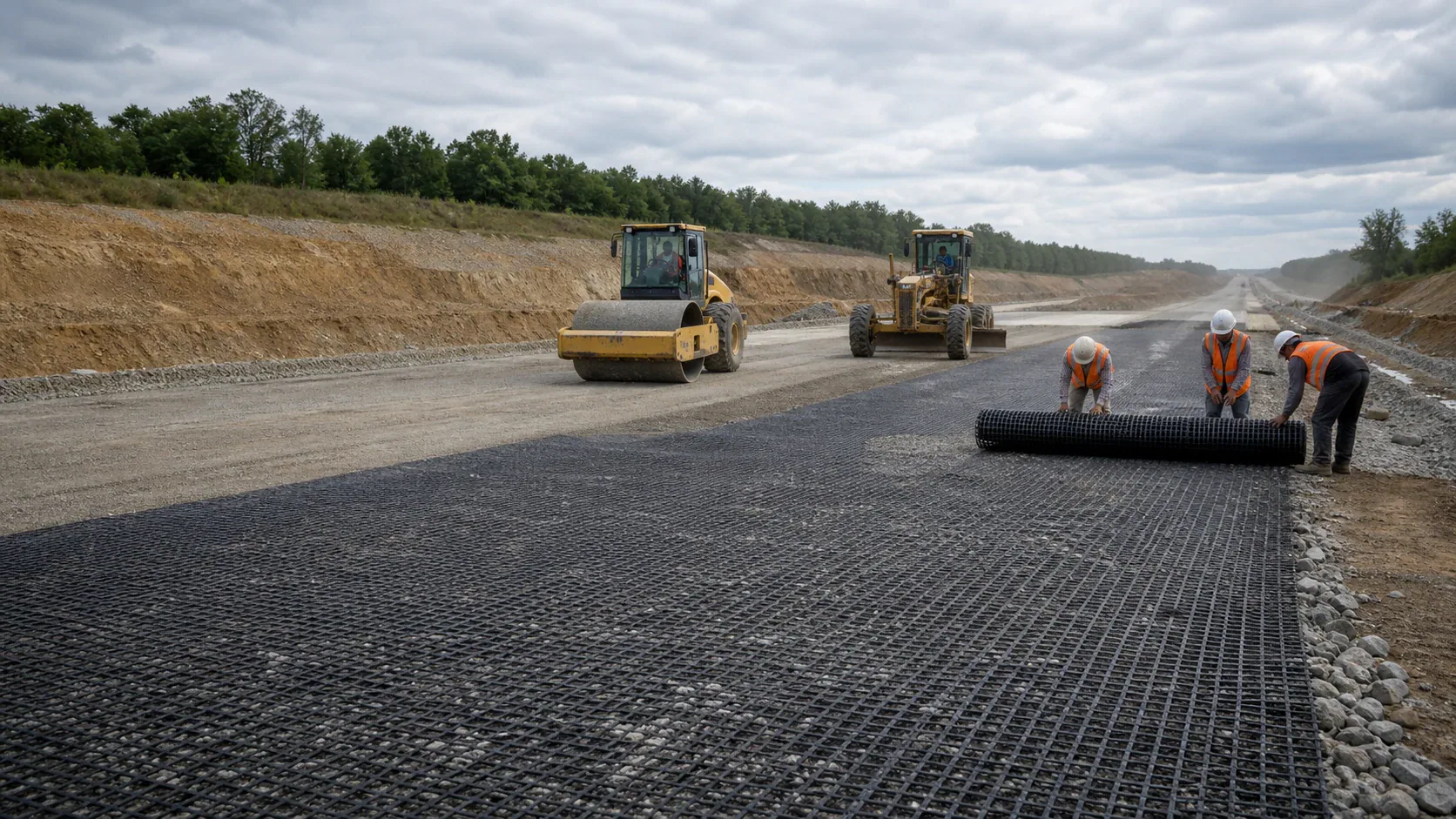
Project Conditions & Risks
Geotextiles, geogrids and geocells are selected from CBR, weak-soil depth, traffic loads, fill grading and design life. Installation controls overlap, tensioning, anchorage and lift thickness.
Site challenge
Weak soil, water, variable fill and traffic loading can cause mixing, lateral spreading and differential settlement.
Failure risk
Selecting only by ultimate tensile strength ignores strain level, junction efficiency, creep, installation damage and durability.
Acceptance focus
Verify approved roll direction, design tensile values, overlaps or connections, fill grading, first-lift thickness and compaction records.
System Components & Material Functions
Reinforcement layer
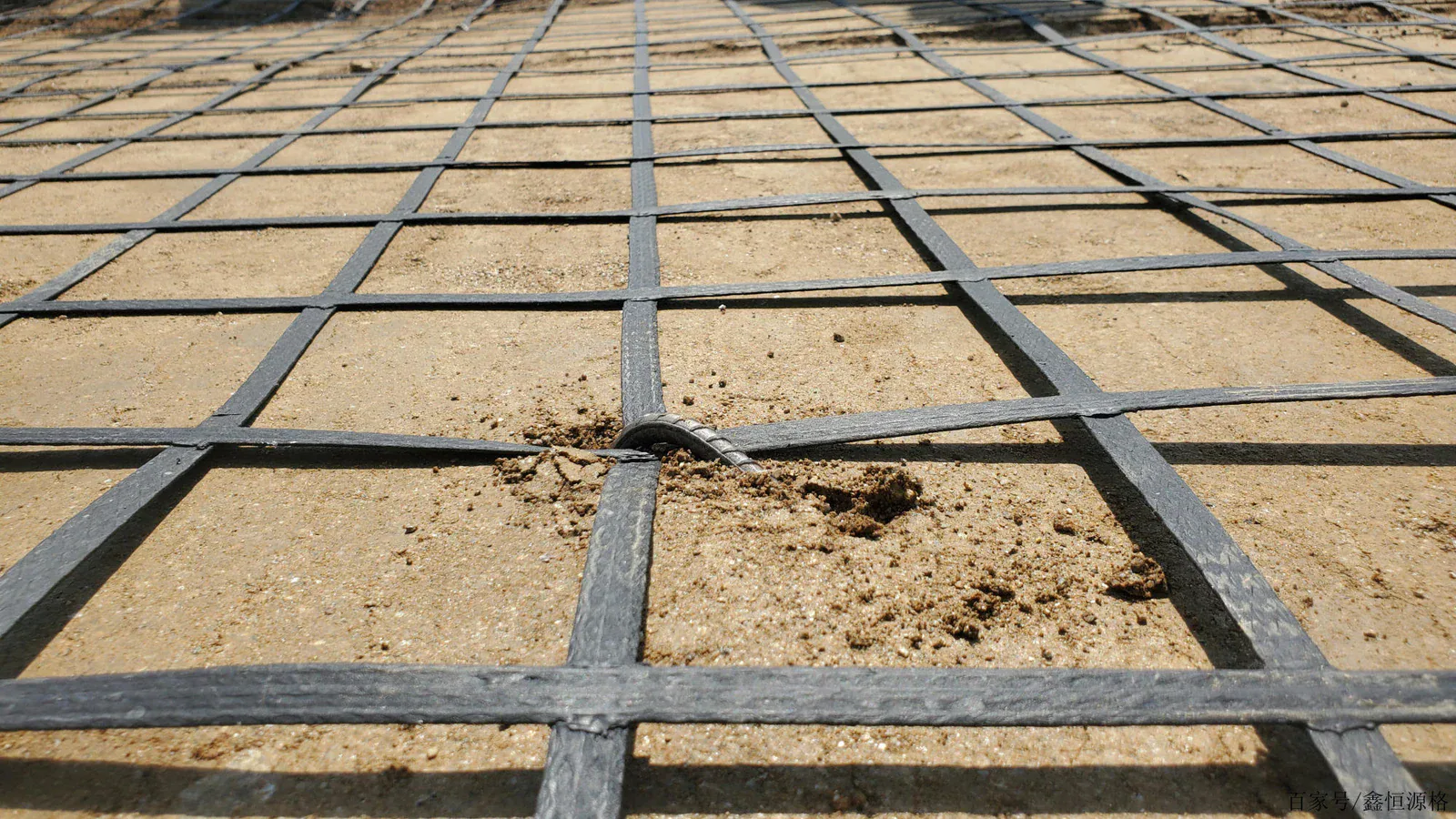
Geogrid limits lateral movement through tensile response and aggregate interaction; specify design values rather than one headline tensile number.
Separation and filtration
Geotextile limits mixing while maintaining drainage and must match soil grading, apparent opening size and permeability.
Three-dimensional confinement
Geocell may stabilize local working platforms, shoulders and slopes by confining approved fill.
Installation & Quality Control
- 01
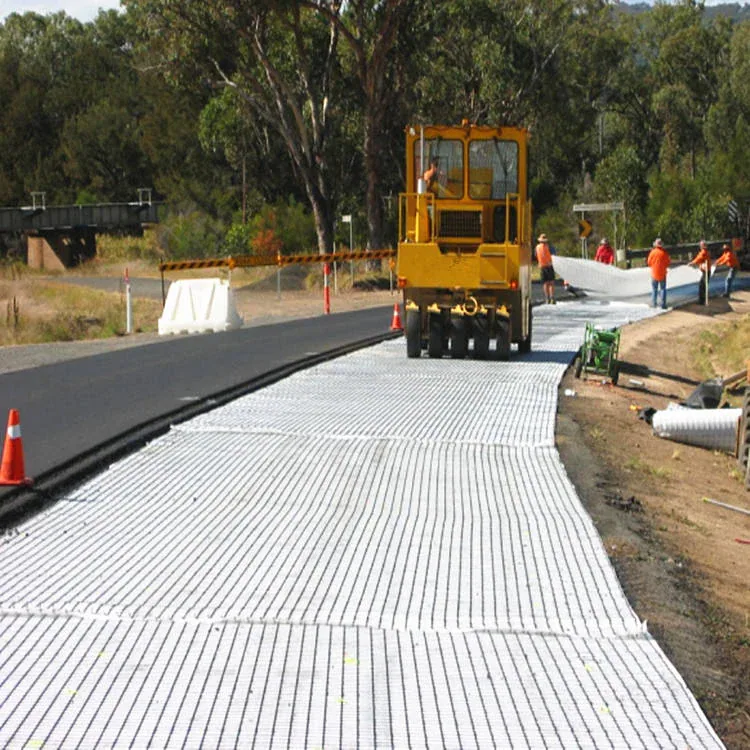
Remove unsuitable material, provide drainage and accept level and subgrade condition; do not turn vehicles directly on exposed geosynthetics.
- 02
Place, tension and fix reinforcement in the principal design direction; execute joints and overlaps to approved drawings.
- 03
Place approved graded fill in controlled lifts and maintain the specified protective thickness before equipment trafficking.
Recommended Equipment & Process Control
Spreading tools, tensioning clamps, U-pins/anchors, cutting tools, survey equipment and light compaction equipment.
Location-Based Selection & Acceptance
This page supports preliminary material comparison, technical communication and quotation preparation. It does not replace project design, stability or hydraulic calculations, applicable laws or local regulations. Final specifications, layer sequence, details, accessories and supply scope are governed by approved drawings, project specifications and the confirmed order.
Quotation and supply confirmation must also define the applicable standard and edition, roll dimensions and tolerances, lot testing and roll traceability, third-party verification, packing/container loading, phased delivery and warranty boundaries.
Supply boundary
Factory supply covers only the products, accessories, documents and services expressly listed in the confirmed order. Civil works, design calculations, drainage, anchorage and third-party system components remain with the responsible project parties unless separately agreed.
Standards & document control
Manufacturing reference specifications establish baseline product or MQC requirements; they do not replace the project specification. Confirm the governing edition, test methods, acceptance values, CQA plan and local regulatory requirements before award.
| Location / function | Candidate material | Selection basis | Installation & acceptance focus |
|---|---|---|---|
| Weak-subgrade separation | Filament/staple-fiber geotextile | Soil grading, CBR, filtration and survivability | Overlap, tearing and traffic protection |
| Subgrade reinforcement | Plastic, steel-plastic or warp-knitted geogrid (by design) | Design strength at strain, fill and design life | Direction, junctions, creep, durability and installation damage |
| Local confinement | HDPE geocell | Bearing, fill, cell geometry and confinement | Expansion, anchorage and fill placement |
| Asphalt overlay crack control | Fiberglass geogrid (by pavement design) | Crack type, pavement structure and bond | Surface preparation, bond and wrinkle-free placement |
Weak-subgrade separation
- Candidate material
- Filament/staple-fiber geotextile
- Selection basis
- Soil grading, CBR, filtration and survivability
- Installation & acceptance focus
- Overlap, tearing and traffic protection
Subgrade reinforcement
- Candidate material
- Plastic, steel-plastic or warp-knitted geogrid (by design)
- Selection basis
- Design strength at strain, fill and design life
- Installation & acceptance focus
- Direction, junctions, creep, durability and installation damage
Local confinement
- Candidate material
- HDPE geocell
- Selection basis
- Bearing, fill, cell geometry and confinement
- Installation & acceptance focus
- Expansion, anchorage and fill placement
Asphalt overlay crack control
- Candidate material
- Fiberglass geogrid (by pavement design)
- Selection basis
- Crack type, pavement structure and bond
- Installation & acceptance focus
- Surface preparation, bond and wrinkle-free placement
Preliminary Product Configuration
Core materials
Supporting materials
Conditional materials
Typical construction scenarios
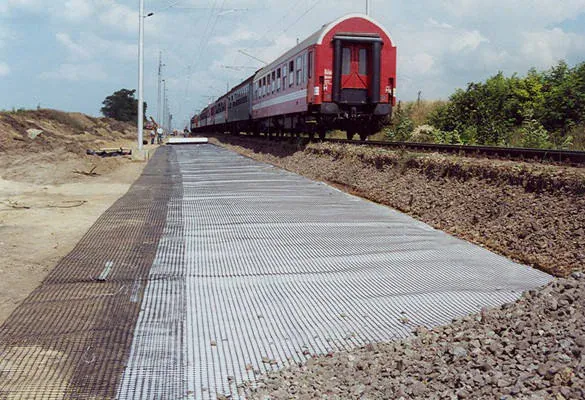
Weak-subgrade separation and reinforcement
Coordinates separation, drainage and reinforcement to control mixing and lateral deformation; final layer positions follow the approved section.
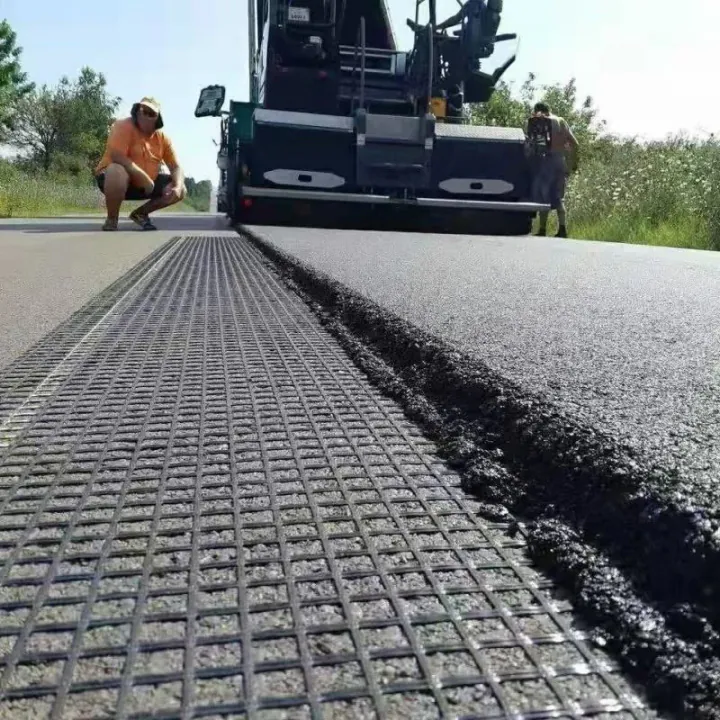
Pavement overlay or widening
Select fiberglass or warp-knitted reinforcement and installation method from crack mechanism, pavement structure and bonding conditions.
Prepare these project parameters
- Project type: highway, railway, weak-ground treatment or asphalt overlay
- Length, width, reinforcement layers and approved section
- CBR, weak-soil depth, fill grading and design loading
- Principal direction, strength at specified strain, junction efficiency and long-term reduction factors
- Design life, owner specification, roll dimensions, delivery date and location