Project Conditions & Risks
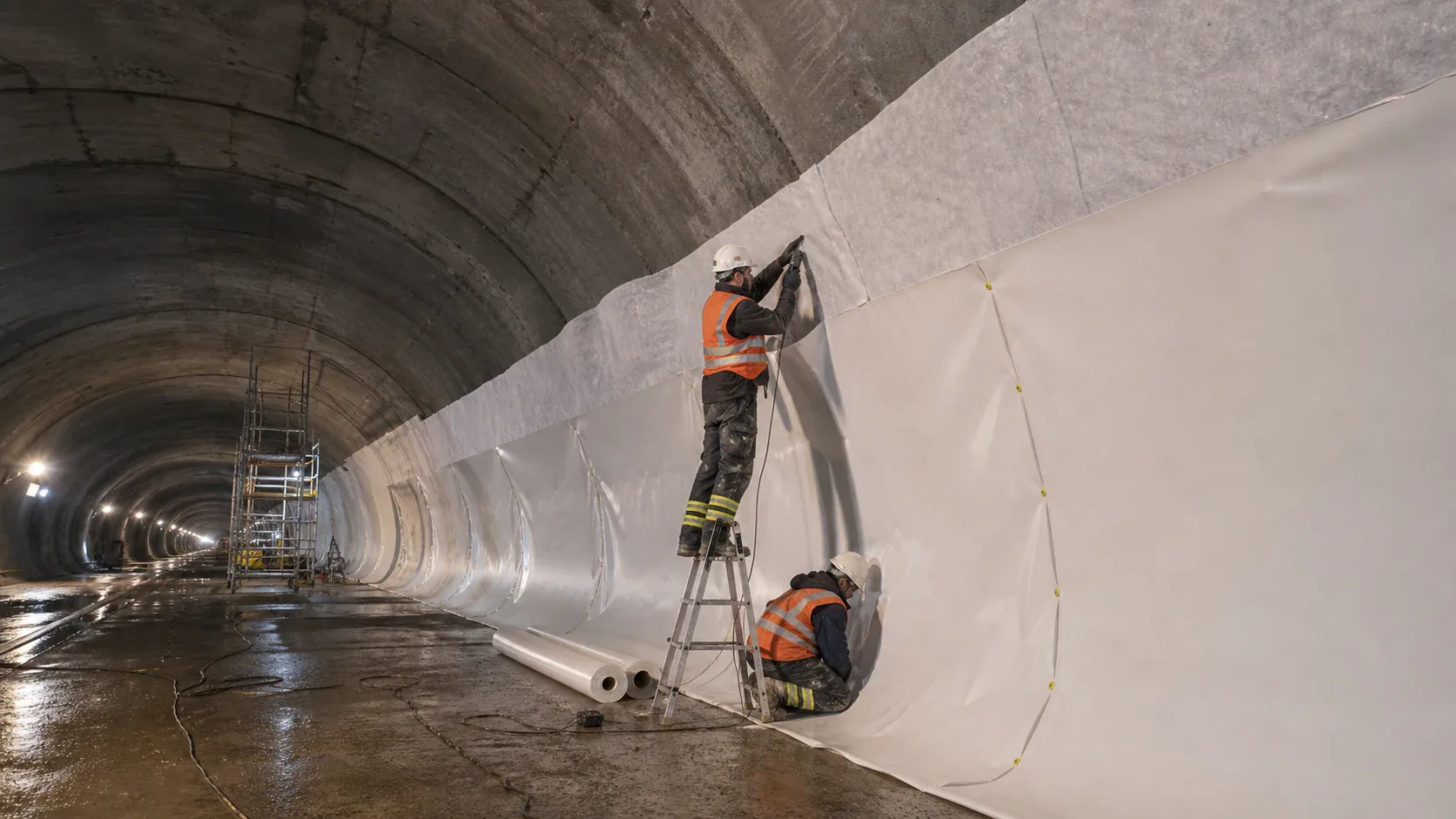
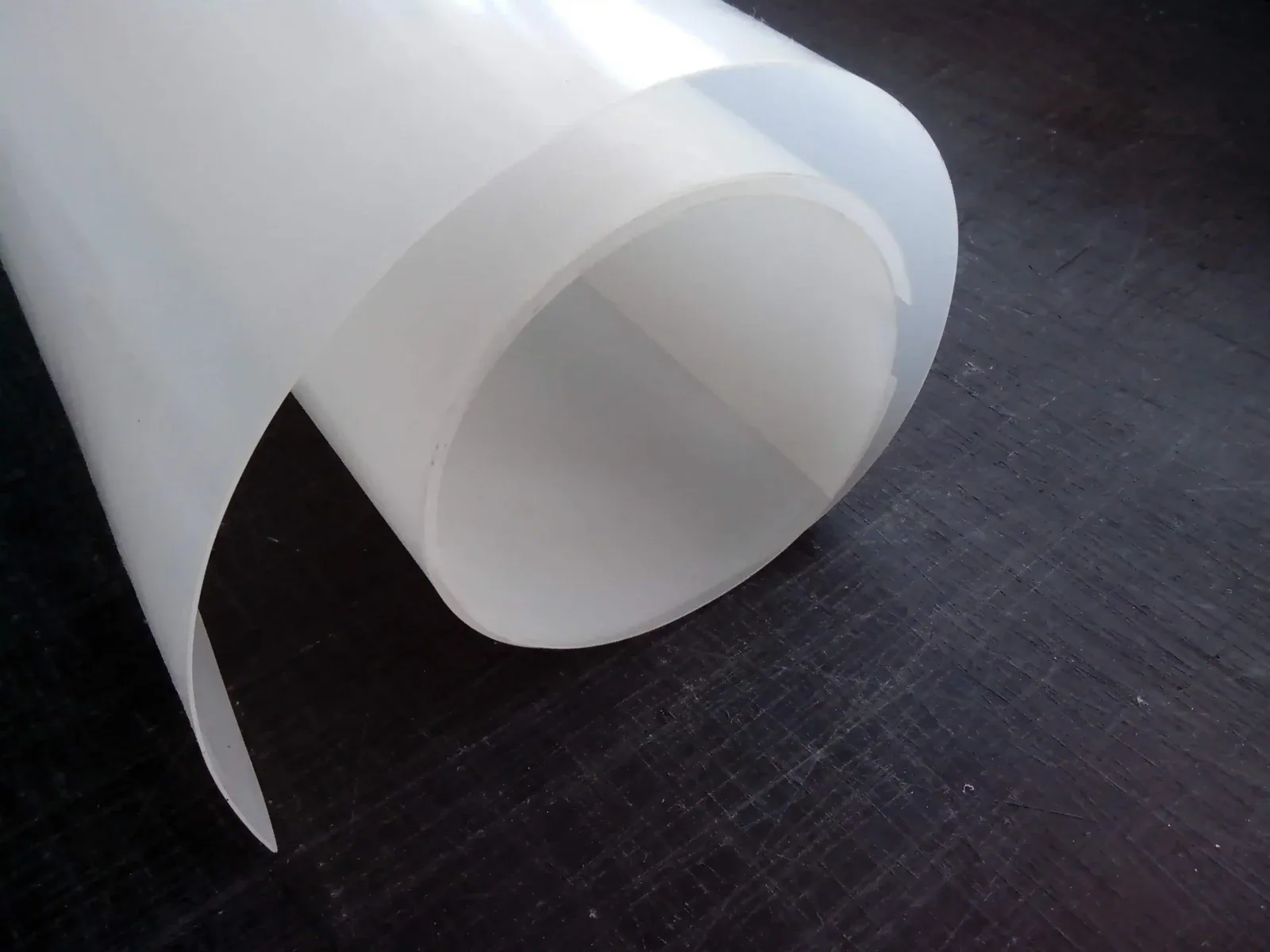
EVA waterproof sheets form the primary barrier, with geotextiles used for cushioning and protection and separate drainage components provided by design. Control focuses on substrate smoothness, heat-welded seams, construction joints, movement joints and pipe penetrations.
Site challenge
Irregular shotcrete, exposed steel and active water can damage sheets before secondary lining and conceal defects.
Failure risk
Burned sheets, missed welds, penetrating fixings or incorrect movement-joint details can form leakage paths that are difficult to repair.
Acceptance focus
Accept substrate and drainage first; then inspect fixings, dual seams, waterstops, construction/movement joints and pipe penetrations separately.
System Components & Material Functions
Continuous waterproofing layer
Select the EVA sheet from design water pressure, deformation demand, low-temperature behaviour and welding requirements.
Cushioning protection
Geotextile isolates sharp shotcrete and reduces construction damage; it does not replace the complete drainage system.
Drainage and joint system
Blind drains, drainage sheets, waterstops, joints and penetrations must follow the approved design and connect continuously to the primary barrier.
Installation & Quality Control
- 01
Remove projections and exposed steel, control active water and accept the substrate and drainage routes before lining.
- 02
Install the cushioning layer and approved non-penetrating fixings, then deploy and weld sheets without overstretching or overheating.
- 03
Pressure-test dual seams by section and separately accept repairs, waterstops, construction joints, movement joints and penetrations before secondary lining.
Recommended Equipment & Process Control
Hot-air gun, dual-track welder, pressure gauge, rounding tools, fixing washers, cutting tools and air-pressure test equipment.
Location-Based Selection & Acceptance
This page supports preliminary material comparison, technical communication and quotation preparation. It does not replace project design, stability or hydraulic calculations, applicable laws or local regulations. Final specifications, layer sequence, details, accessories and supply scope are governed by approved drawings, project specifications and the confirmed order.
Quotation and supply confirmation must also define the applicable standard and edition, roll dimensions and tolerances, lot testing and roll traceability, third-party verification, packing/container loading, phased delivery and warranty boundaries.
Supply boundary
Factory supply covers only the products, accessories, documents and services expressly listed in the confirmed order. Civil works, design calculations, drainage, anchorage and third-party system components remain with the responsible project parties unless separately agreed.
Standards & document control
Manufacturing reference specifications establish baseline product or MQC requirements; they do not replace the project specification. Confirm the governing edition, test methods, acceptance values, CQA plan and local regulatory requirements before award.
| Location / function | Candidate material | Selection basis | Installation & acceptance focus |
|---|---|---|---|
| Primary waterproofing | EVA waterproofing sheet | Water pressure, deformation and project standard | Thickness, tensile, low-temperature and welding properties |
| Shotcrete cushioning | Filament or staple-fiber geotextile | Substrate roughness and puncture risk | Fixings, overlap and continuous protection |
| Drainage transition | Blind drain/special drainage component (separate scope) | Inflow, zoning and drainage path | Ordinary geotextile must not replace designed drains or outlets |
| Compatible underground structures | Composite geomembrane (by design) | Limited to approved basement or utility-gallery details | Not a generic replacement for tunnel waterproofing sheet |
Primary waterproofing
- Candidate material
- EVA waterproofing sheet
- Selection basis
- Water pressure, deformation and project standard
- Installation & acceptance focus
- Thickness, tensile, low-temperature and welding properties
Shotcrete cushioning
- Candidate material
- Filament or staple-fiber geotextile
- Selection basis
- Substrate roughness and puncture risk
- Installation & acceptance focus
- Fixings, overlap and continuous protection
Drainage transition
- Candidate material
- Blind drain/special drainage component (separate scope)
- Selection basis
- Inflow, zoning and drainage path
- Installation & acceptance focus
- Ordinary geotextile must not replace designed drains or outlets
Compatible underground structures
- Candidate material
- Composite geomembrane (by design)
- Selection basis
- Limited to approved basement or utility-gallery details
- Installation & acceptance focus
- Not a generic replacement for tunnel waterproofing sheet
Preliminary Product Configuration
Core materials
Supporting materials
Conditional materials
Typical construction scenarios
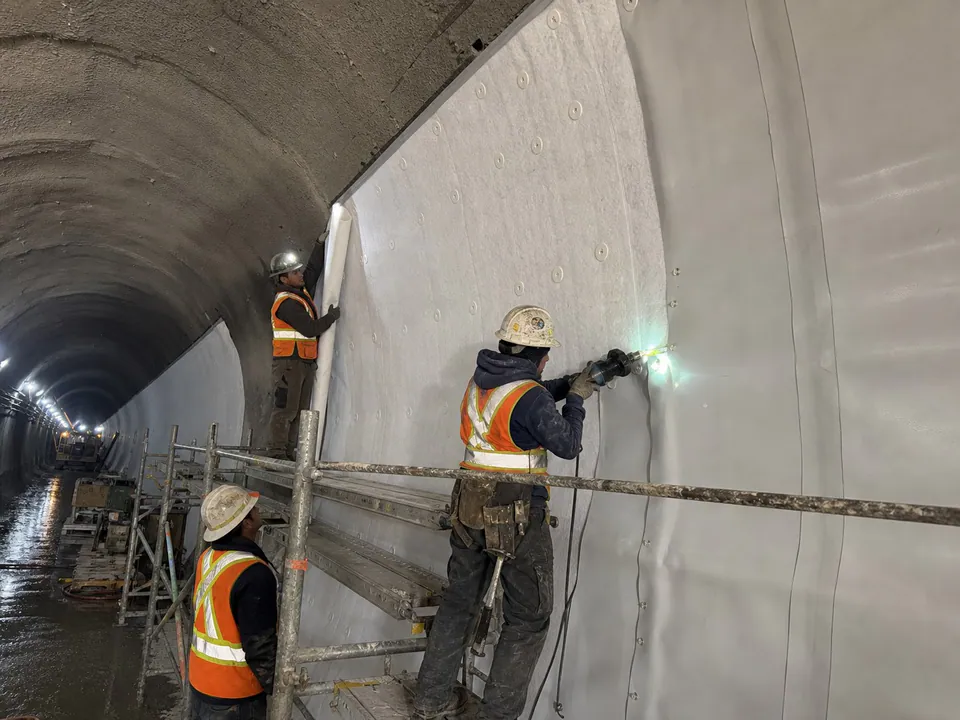
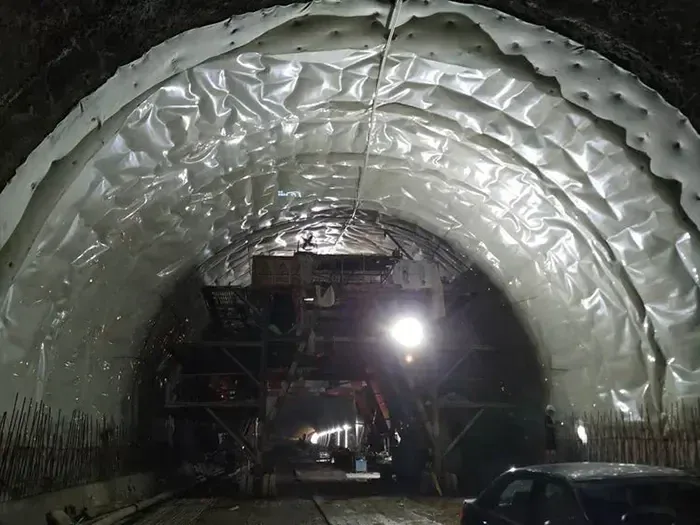
Tunnel secondary-lining waterproofing
Shows continuity among shotcrete, cushioning geotextile and sheet before secondary lining.
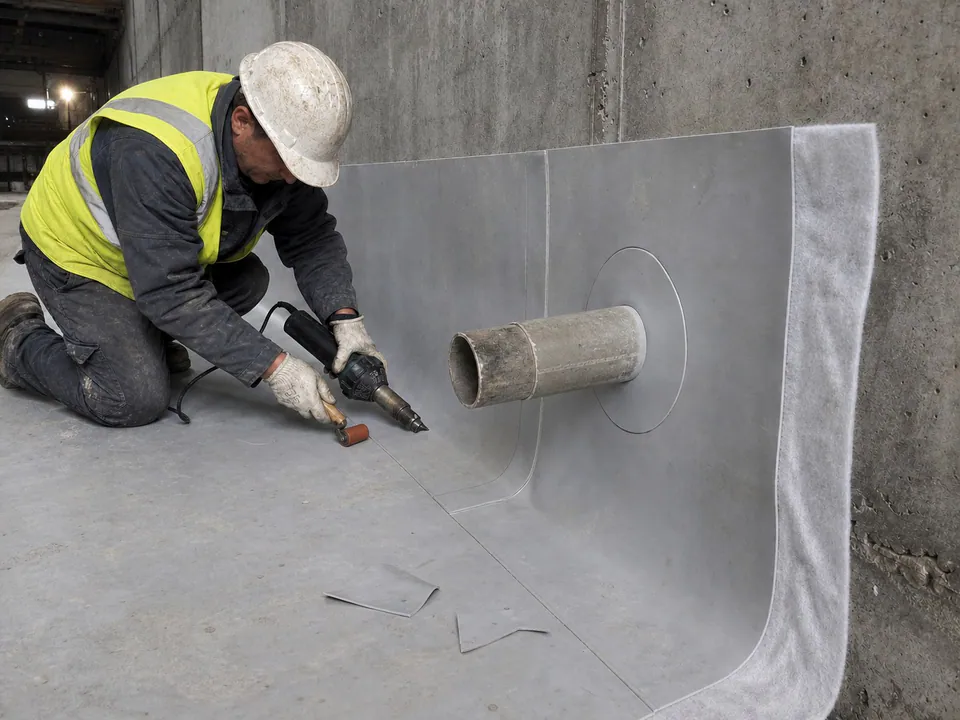
Underground-structure detail waterproofing
Focuses on construction joints, movement joints, corners and penetrations rather than substituting large sheets for detailed acceptance.
Prepare these project parameters
- Tunnel section, length, groundwater and design pressure
- Shotcrete condition, construction/movement joints and penetration count
- Sheet polymer, thickness, project standard and design life
- Drainage, waterstop and interface component responsibilities and supply scope
- Installation window, roll size, testing, lot documents and delivery date