
 1 / 5
1 / 5 Specialty Barrier & Protection Materials
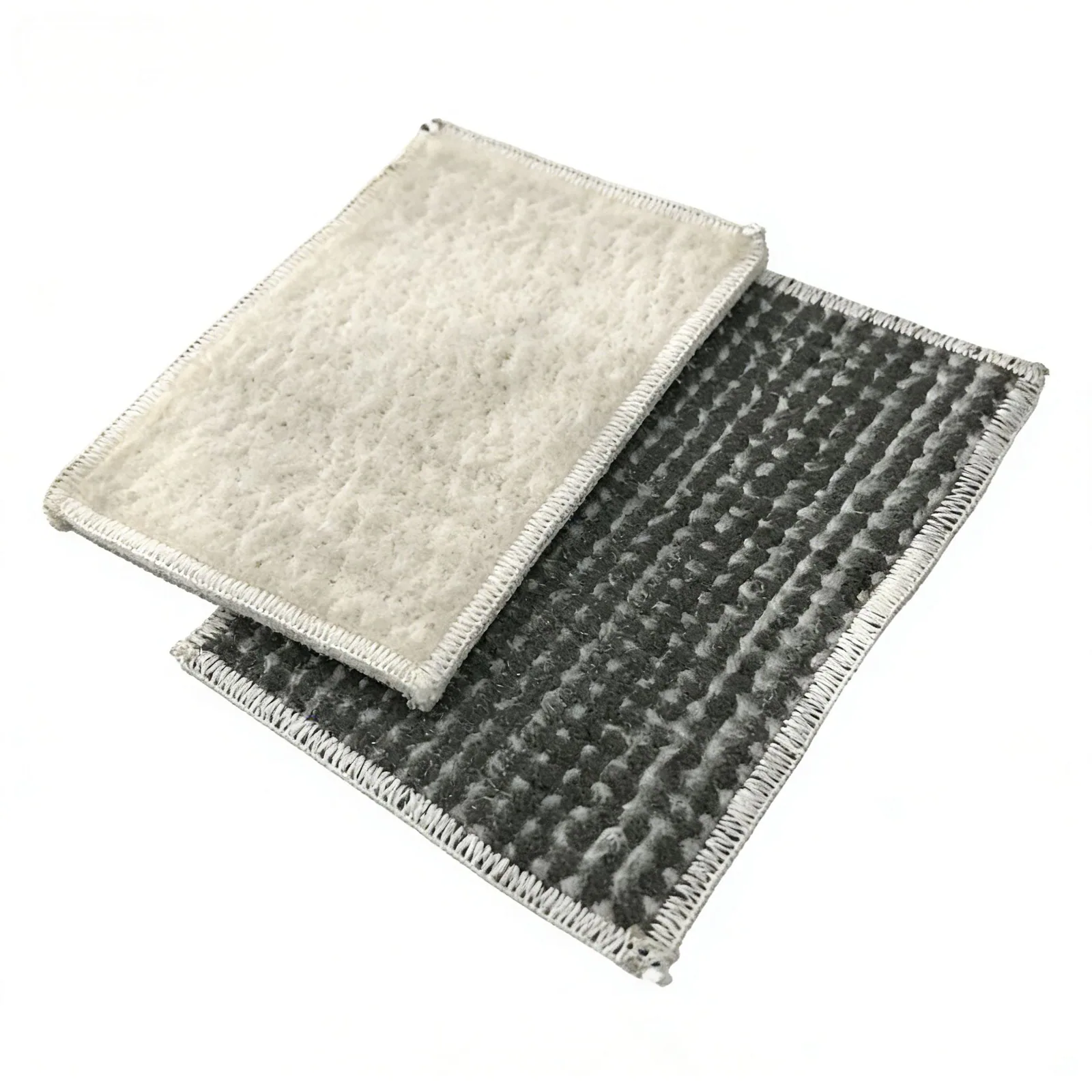
Geosynthetic Clay Liner (GCL)
- Product Description
- A factory-produced sodium-bentonite hydraulic barrier for landfill, pond, canal and underground waterproofing systems.
- Reference Standards / Selected Test Methods
- ASTM D5887 / ASTM D5890 / GRI-GCL3
Supply Information
- Color
- Natural grey / white / custom
- Warranty
- Confirmed by project conditions and contract terms
- Sample
- Available; sample fee and freight confirmed by destination
- Minimum order quantity
- Confirmed by specification, roll size and packing plan
Applications: Artificial lakes · Canals and rivers · Underground waterproofing · Tailings and wastewater ponds · Wetlands · Soft-ground treatment
Key Benefits
Low permeability
Fast installation
Composite barrier
Specialty Barrier & Protection Materials
Why Choose Us?
Factory-Direct Production
Specifications are coordinated directly with production, making order status, revisions and batch records easier to verify.
Project-Oriented Specifications
Grade, dimensions, test methods and packaging are confirmed against the application and procurement documents.
Export Documentation Support
Roll identification, packing records, loading photos and commercial shipping documents can be prepared for procurement review.
Procurement FAQ · Specialty Barrier & Protection Materials
Common Questions Before Ordering
Confirm the project conditions, applicable standard and required test documents before ordering. Our export and technical teams can assist with product selection, custom roll planning and delivery coordination.
Geosynthetic Clay Liner (GCL)
01 How does a GCL control seepage, and can it repair small punctures?
Sodium bentonite hydrates and swells under confinement, creating a low-permeability barrier and helping seal minor defects. Performance requires adequate confinement, correct overlaps, compatible liquids and protection from premature hydration or erosion. GCL is not a substitute for repairing major damage or poorly prepared subgrade.
02 Can GCL be used in dry climates or during a dry season?
Yes, provided storage, installation and cover sequencing prevent damage and uncontrolled premature hydration. The bentonite activates when moisture becomes available under confinement. Wind uplift, desiccation cycles, subgrade condition and the timing of cover placement must be addressed in the method statement.
03 What are the main laying and overlap requirements?
Use a smooth prepared base, orient rolls to suit drainage and slope, stagger transverse joints, keep the specified overlap, seal or fix joints as required, detail penetrations carefully and install cover or anchors promptly. Exact overlaps and fasteners vary by product and project, so the approved drawings and method statement take precedence.
04 How are specialty waterproofing products inspected and supplied?
Inspection items are matched to the product specification, such as mass, thickness, tensile or peel properties, bentonite mass and permeability for GCL, or hydration and mechanical properties for cement blankets. We can coordinate custom dimensions, labels, moisture-protective export packing, batch reports and remote or agreed on-site installation guidance.
Conditional Use
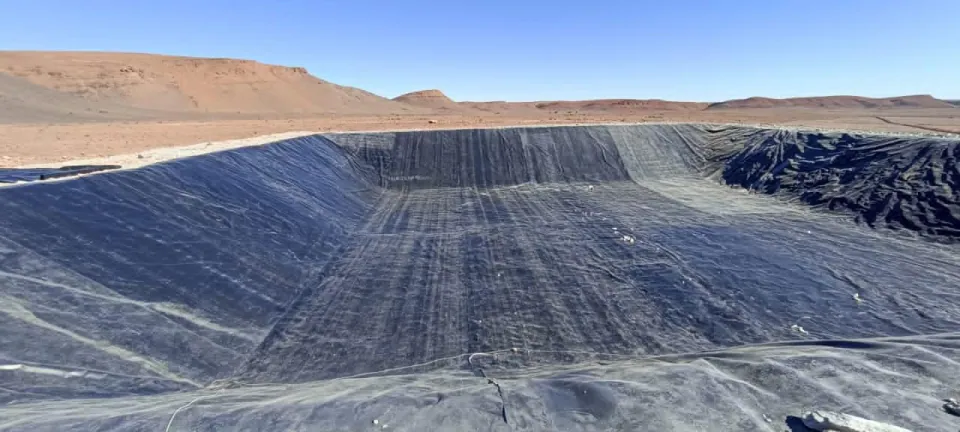
Landfill Engineering
Use only after checking the medium, structure, subgrade and construction conditions against the approved design.
Learn More →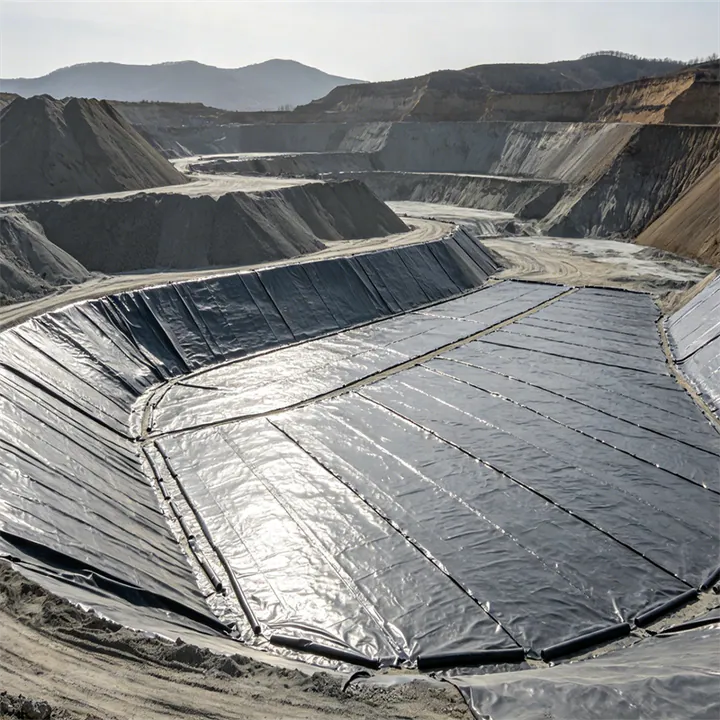
Conditional Use
Mining & Tailings
Use only after checking the medium, structure, subgrade and construction conditions against the approved design.
Learn More →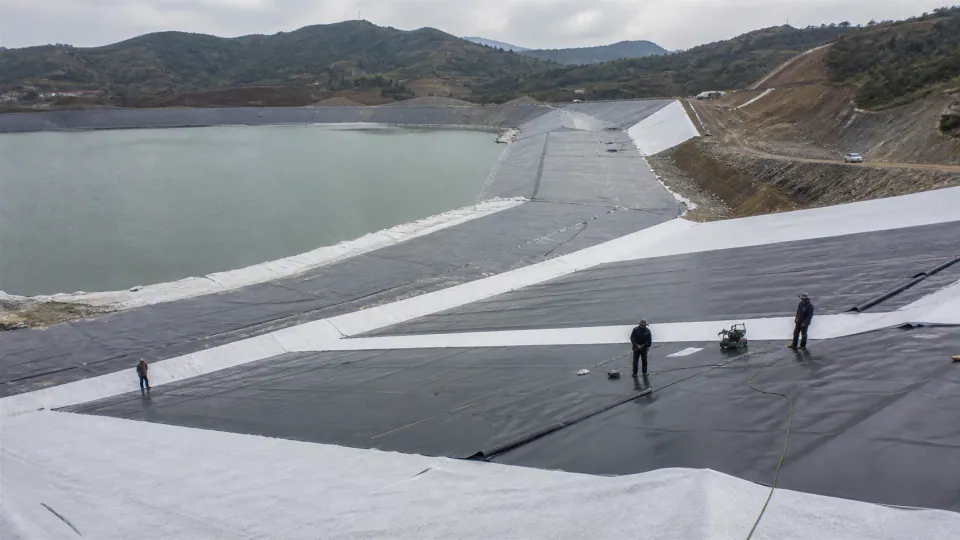
Conditional Use
Hydraulic & Water Infrastructure
Use only after checking the medium, structure, subgrade and construction conditions against the approved design.
Learn More →Specialty Barrier & Protection Materials
Recommended Products
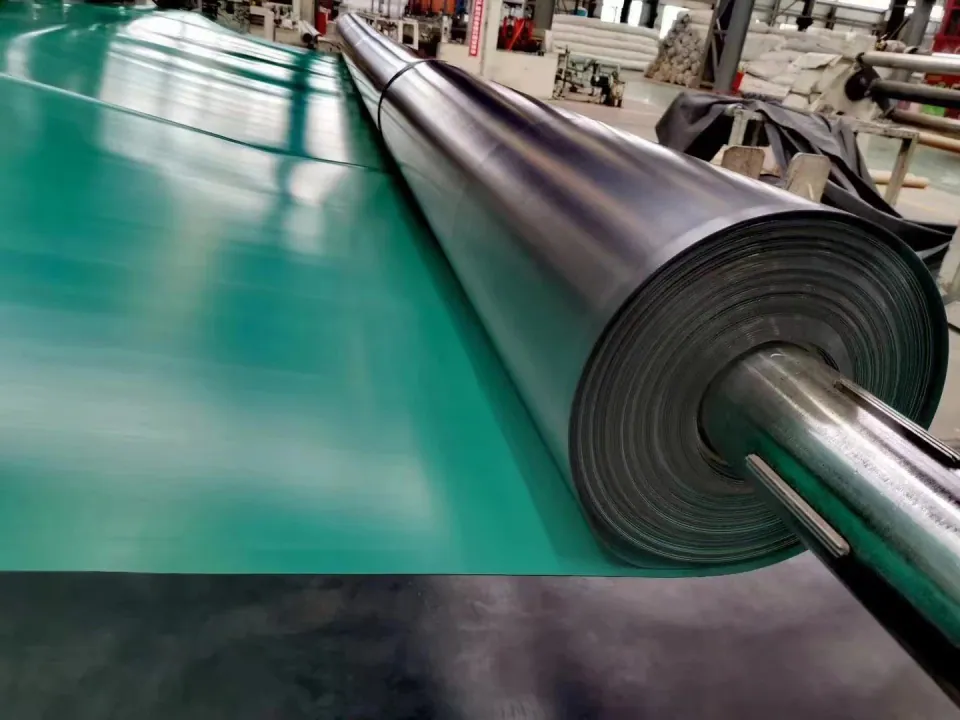
Smooth HDPE Geomembrane
A low-permeability, heat-weldable liner for landfills, fish ponds, reservoirs, mining and wastewater containment.
Learn More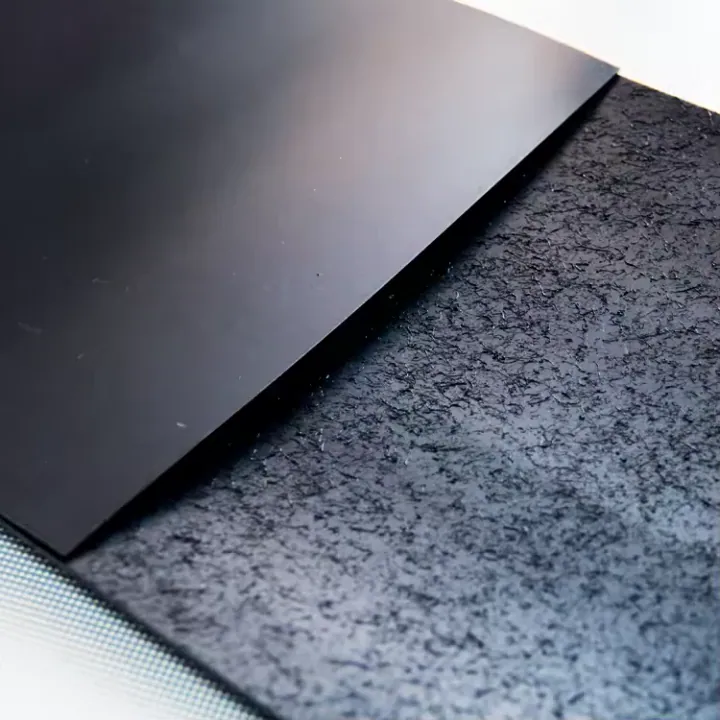
Textured HDPE Geomembrane
A high-friction HDPE liner for steep slopes, heap-leach pads, embankments and demanding containment interfaces.
Learn More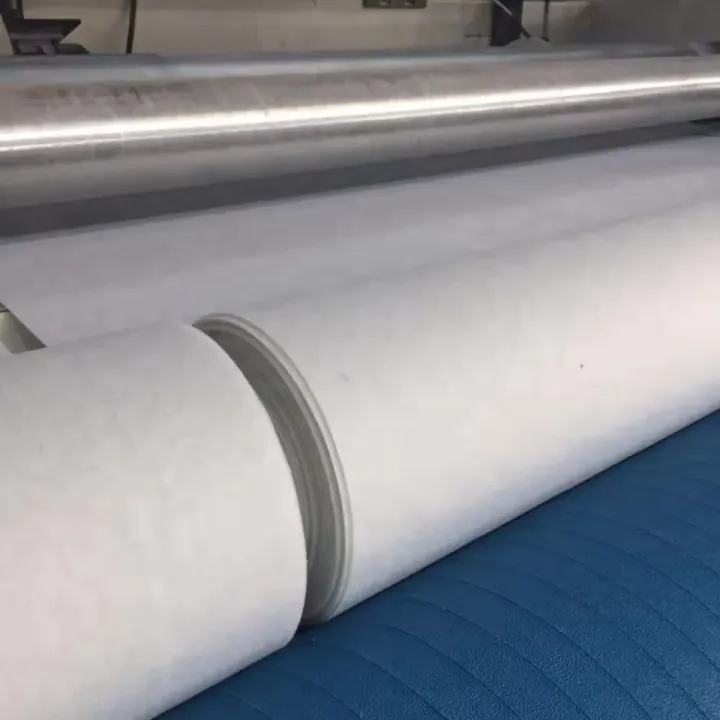
Filament Nonwoven Geotextile
Continuous-filament needle-punched geotextile for separation, filtration, drainage and geomembrane protection.
Learn MoreNeed a Geosynthetic Clay Liner (GCL) Quotation?
Prepare the thickness, quantity, application and destination port for an accurate quotation.