Project Conditions & Risks
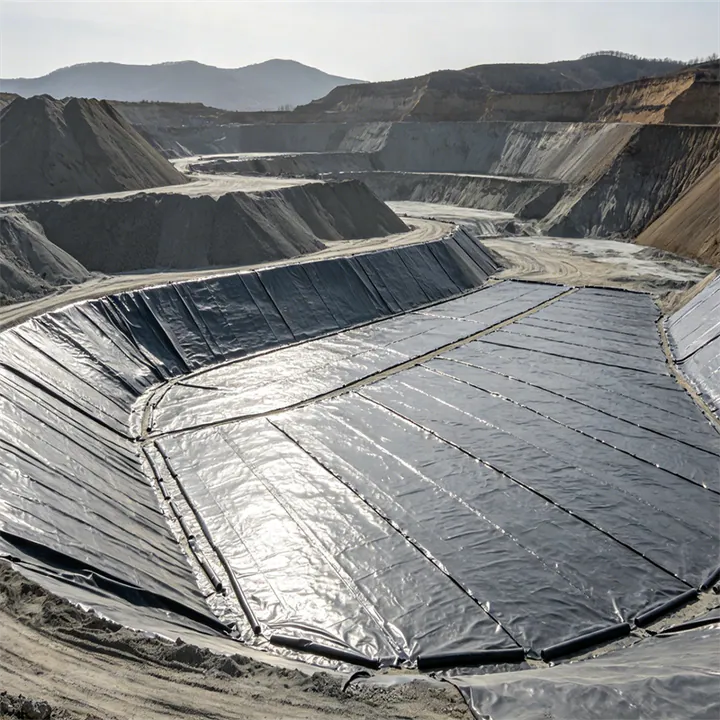
Liner thickness, cushioning layers, anchor trenches and pipe penetrations are defined from pond grading, water depth, farmed species and cleaning practice. Geotextiles cushion sharp subgrade particles and protect seams.
Site challenge
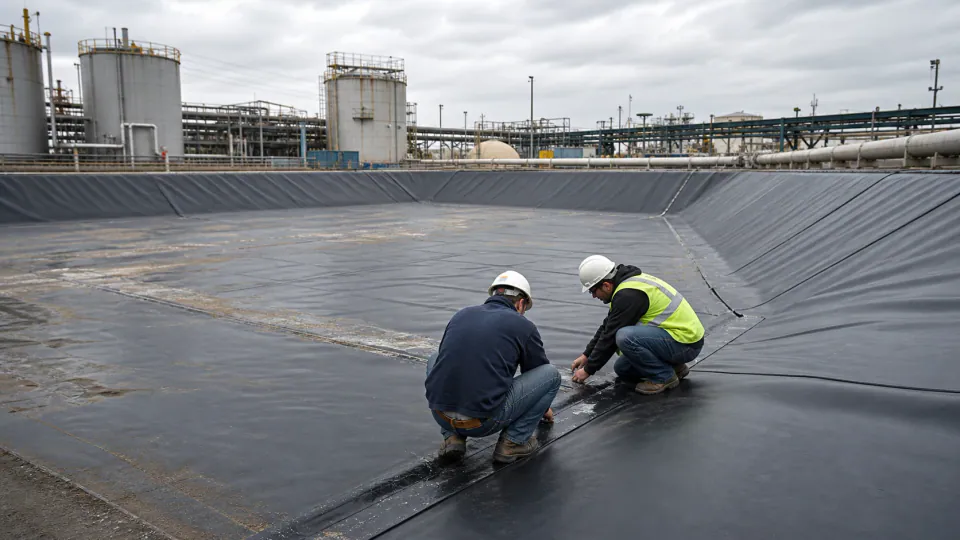
Sharp stones, roots and weak subgrade zones can puncture or strain the liner. Inadequate groundwater or gas relief can also cause uplift.
Failure risk
Buying on area and lowest unit price alone overlooks water depth, slope, cleaning frequency and pipe penetrations, making later leakage difficult to locate.
Acceptance focus
Jointly accept the subgrade before lining, record every seam and repair, and verify anchors, toes and inlet/outlet seals before filling.
System Components & Material Functions
Primary barrier
Protection and cushioning
Use filament or staple-fiber geotextile where puncture risk is significant to protect the liner from stones, hard inclusions and subsequent work.
Detailing system
Anchor trenches, toes, corners, aeration-equipment fixings and pipe penetrations must maintain barrier continuity and remain inspectable and repairable.
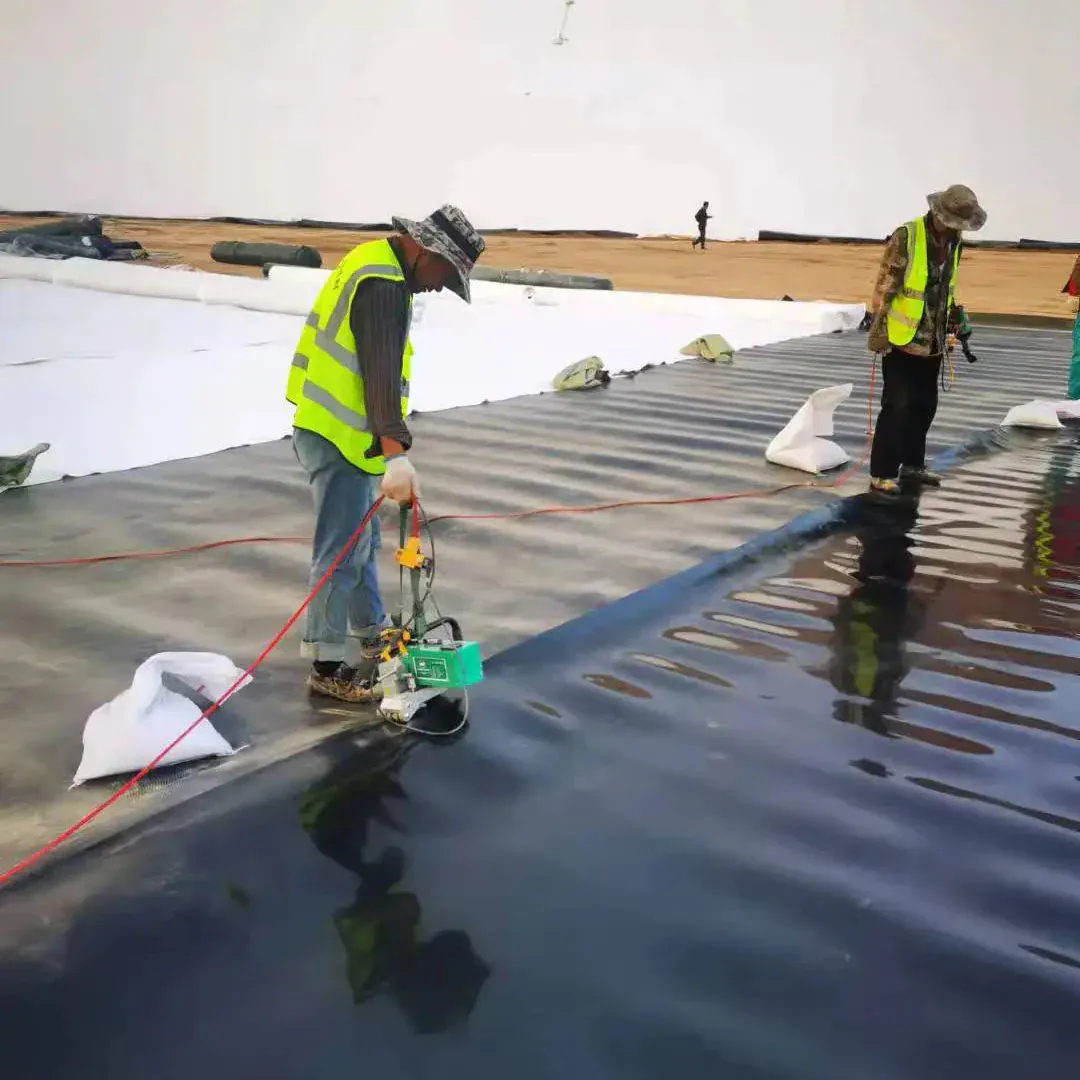
Installation & Quality Control
- 01
Remove roots, vegetation, sharp stones and weak soil; provide groundwater or gas relief where required and jointly accept the subgrade.
- 02
Deploy panels to the approved layout, control wrinkles and thermal movement, and repeat trial welds after start-up or material weather changes.
- 03
Pressure-test dual-track hot-wedge seams. Test extrusion seams and non-channel details by vacuum box where geometry permits, spark testing or another approved method; perform destructive peel/shear sampling to the CQA plan and retest every repair.
Recommended Equipment & Process Control
Dual-track hot-wedge welder, extrusion welder, hot-air gun, vacuum box, pressure gauge, thickness gauge and spark tester where specified.
Location-Based Selection & Acceptance
This page supports preliminary material comparison, technical communication and quotation preparation. It does not replace project design, stability or hydraulic calculations, applicable laws or local regulations. Final specifications, layer sequence, details, accessories and supply scope are governed by approved drawings, project specifications and the confirmed order.
Quotation and supply confirmation must also define the applicable standard and edition, roll dimensions and tolerances, lot testing and roll traceability, third-party verification, packing/container loading, phased delivery and warranty boundaries.
Supply boundary
Factory supply covers only the products, accessories, documents and services expressly listed in the confirmed order. Civil works, design calculations, drainage, anchorage and third-party system components remain with the responsible project parties unless separately agreed.
Standards & document control
Manufacturing reference specifications establish baseline product or MQC requirements; they do not replace the project specification. Confirm the governing edition, test methods, acceptance values, CQA plan and local regulatory requirements before award.
| Location / function | Candidate material | Selection basis | Installation & acceptance focus |
|---|---|---|---|
| Pond bottom and gentle slopes | Smooth HDPE geomembrane | Water depth, exposure, cleaning and subgrade | Thickness, seams, puncture protection and uplift |
| Protection layer | Filament or staple-fiber geotextile | Subgrade particles and construction loads | Puncture resistance, overlap and continuity |
| Scour-prone banks | Geobags (by design) | Flow, wave action and bank geometry | Filter compatibility, connections and toe restraint |
Pond bottom and gentle slopes
- Candidate material
- Smooth HDPE geomembrane
- Selection basis
- Water depth, exposure, cleaning and subgrade
- Installation & acceptance focus
- Thickness, seams, puncture protection and uplift
Settlement or flexible transitions
- Candidate material
- Selection basis
- Expected deformation and maintenance access
- Installation & acceptance focus
- Chemical suitability, anchorage and welding
Protection layer
- Candidate material
- Filament or staple-fiber geotextile
- Selection basis
- Subgrade particles and construction loads
- Installation & acceptance focus
- Puncture resistance, overlap and continuity
Scour-prone banks
- Candidate material
- Geobags (by design)
- Selection basis
- Flow, wave action and bank geometry
- Installation & acceptance focus
- Filter compatibility, connections and toe restraint
Preliminary Product Configuration
Core materials
Supporting materials
Conditional materials
Typical construction scenarios
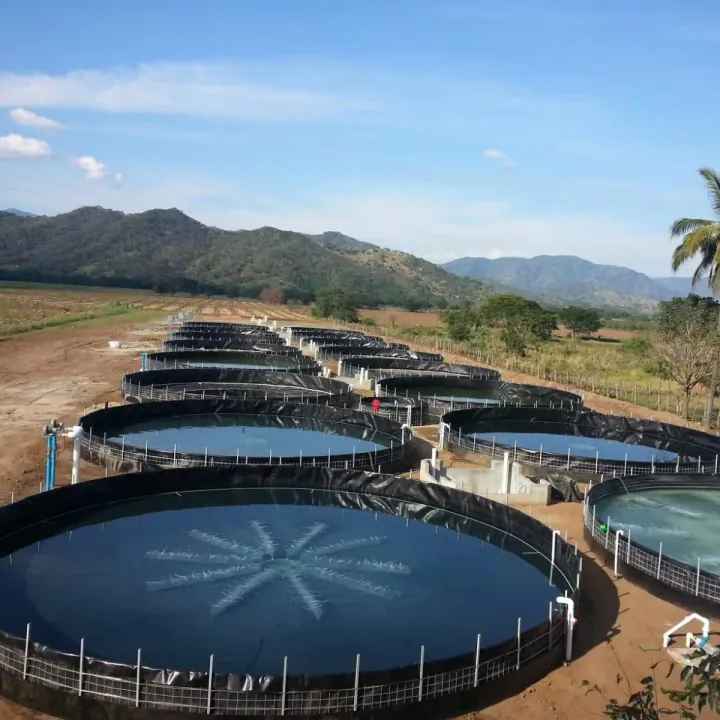
New aquaculture pond lining
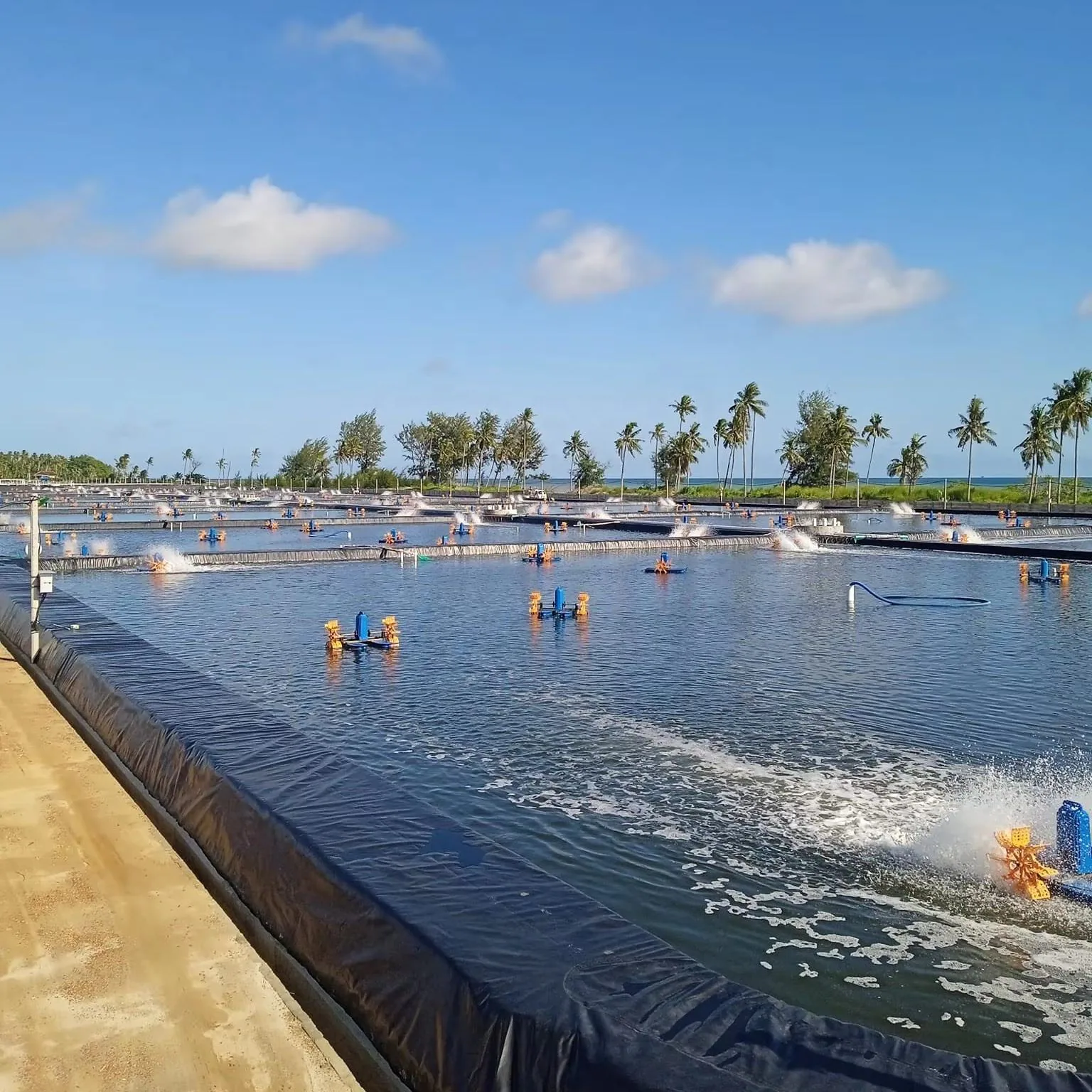
Shows the relationship among bottom liner, slopes, anchor trenches and inlet/outlet details; it is not a substitute for project-specific design.
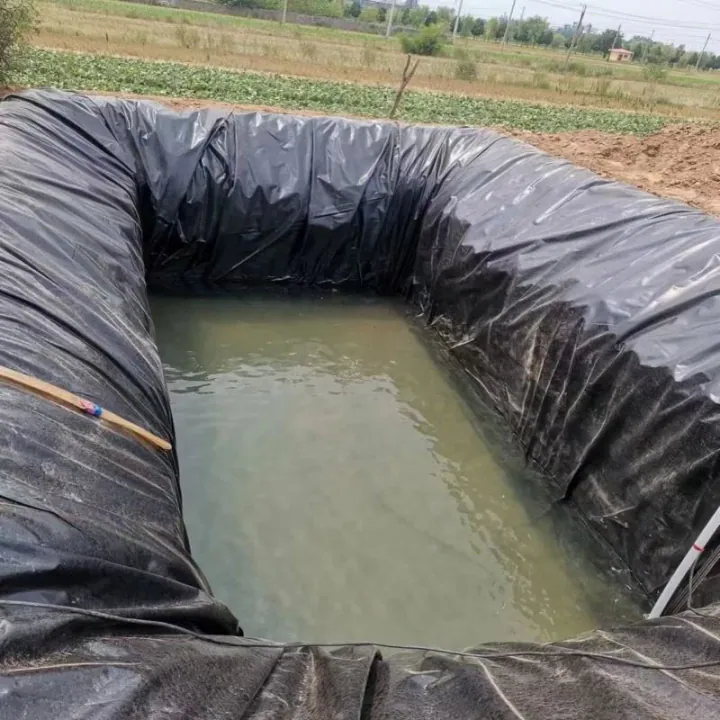
Existing pond rehabilitation
Locate leakage and subgrade defects first, then determine whether local repair, additional protection or complete relining is required.
Prepare these project parameters
- Pond dimensions, side slopes, maximum depth and water use
- Subgrade, groundwater, stones, roots and liner exposure period
- Cultured species, cleaning practice, aeration fixings and design life
- Number and diameter of pipe penetrations and protection-layer details
- Applicable specification, required documents, quantity, delivery date and project location