Project Conditions & Risks
Site challenge
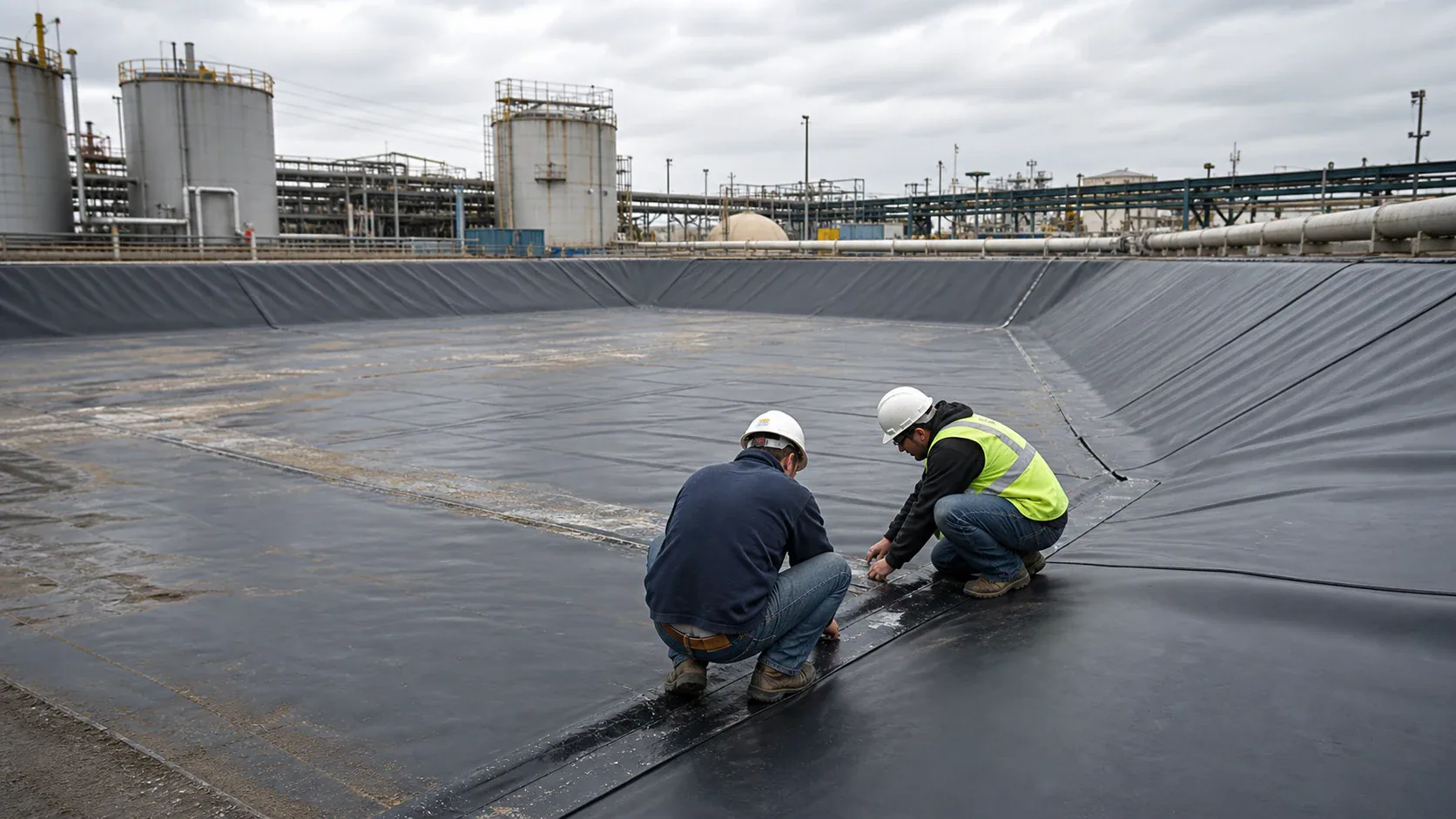
Fluid composition, temperature and cleaning conditions vary; liner, welding rod, seals and pipe components must be assessed as one system.
Failure risk
Selecting from instantaneous pH or a generic acid/alkali claim can overlook stress cracking, swelling, oxidation and incompatible detail materials.
Acceptance focus
Confirm the complete fluid schedule and compatibility evidence, trace material lots and inspect seams, penetrations, sumps and secondary containment.
System Components & Material Functions
Compatibility-verified barrier
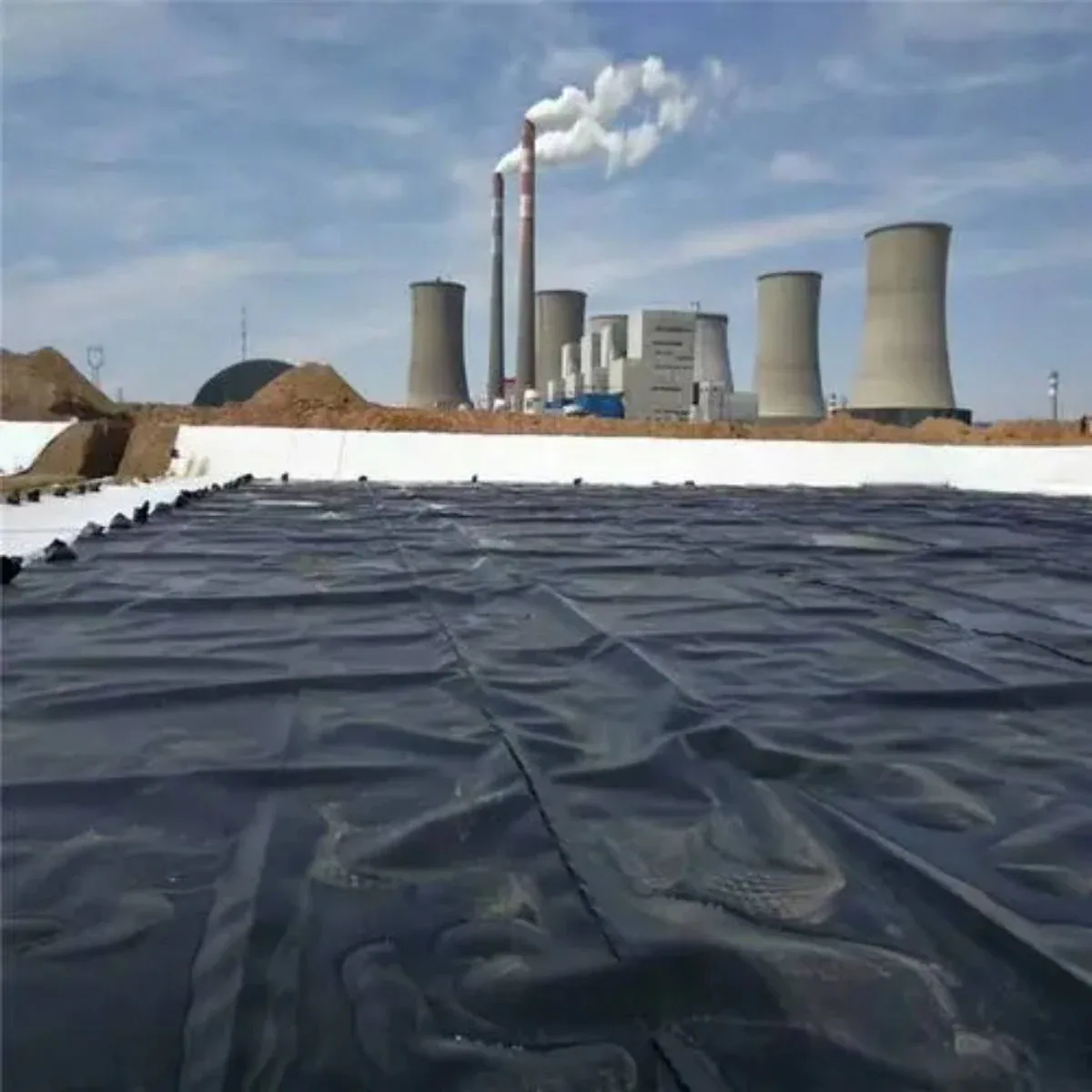
Evaluate HDPE using complete chemical identity, concentration, maximum temperature and contact period. Do not promise unverified service with organic solvents, aromatic hydrocarbons, strong oxidizers or elevated temperatures.
Protection and cushioning
Choose PET filament or PP/PET staple-fiber geotextile from chemical compatibility and puncture risk around subgrade and tank bases.
Detail sealing system
Primary sheet, welding rod, boots, sealants, penetrations and structural interfaces must be checked together for compatibility and continuity.
Installation & Quality Control
- 01
Accept and clean the subgrade, isolate contamination and verify all embedded pipes and structural interfaces.
- 02
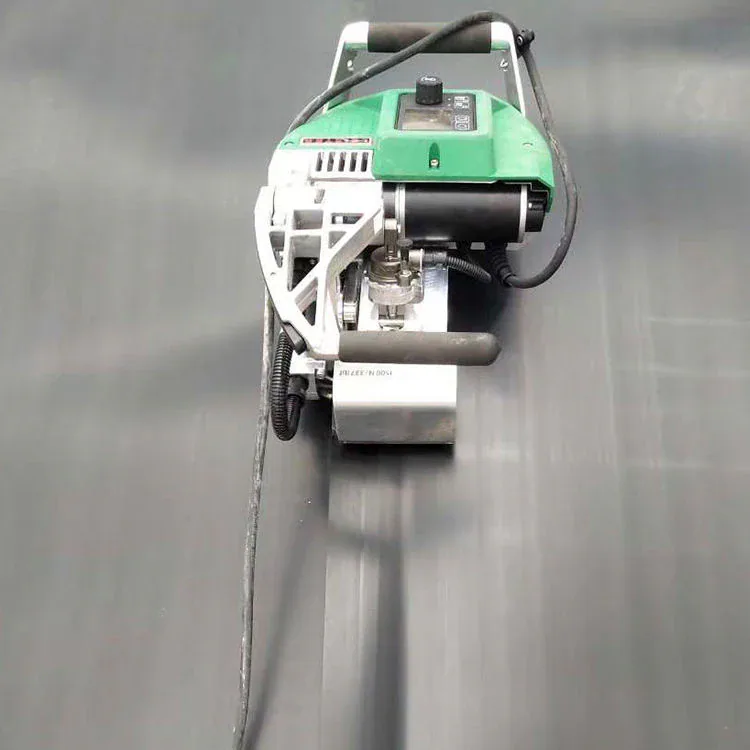
Complete trial welds and panel installation to the approved procedure; contaminated or wet surfaces must be treated before welding.
- 03
Test seams, repairs, penetrations and sumps individually, then complete the specified clean-water or commissioning test before chemical service.
Recommended Equipment & Process Control
Dual-track hot-wedge welder, extrusion welder, hot-air gun, vacuum box, pressure gauge, thickness gauge and spark tester where specified.
Location-Based Selection & Acceptance
This page supports preliminary material comparison, technical communication and quotation preparation. It does not replace project design, stability or hydraulic calculations, applicable laws or local regulations. Final specifications, layer sequence, details, accessories and supply scope are governed by approved drawings, project specifications and the confirmed order.
Quotation and supply confirmation must also define the applicable standard and edition, roll dimensions and tolerances, lot testing and roll traceability, third-party verification, packing/container loading, phased delivery and warranty boundaries.
Supply boundary
Factory supply covers only the products, accessories, documents and services expressly listed in the confirmed order. Civil works, design calculations, drainage, anchorage and third-party system components remain with the responsible project parties unless separately agreed.
Standards & document control
Manufacturing reference specifications establish baseline product or MQC requirements; they do not replace the project specification. Confirm the governing edition, test methods, acceptance values, CQA plan and local regulatory requirements before award.
| Location / function | Candidate material | Selection basis | Installation & acceptance focus |
|---|---|---|---|
| Bottom and gentle slopes | Smooth HDPE geomembrane | Chemical, concentration, temperature and immersion period | Compatibility, stress cracking, OIT and seams |
| Steep slopes or tank areas | Textured HDPE (by design) | Interface stability after compatibility approval | Friction, anchorage and local stress |
| Protection layer | PET filament or PP/PET staple-fiber geotextile | Chemical compatibility and puncture risk | Contamination, overlap and continuous protection |
Bottom and gentle slopes
- Candidate material
- Smooth HDPE geomembrane
- Selection basis
- Chemical, concentration, temperature and immersion period
- Installation & acceptance focus
- Compatibility, stress cracking, OIT and seams
Steep slopes or tank areas
- Candidate material
- Textured HDPE (by design)
- Selection basis
- Interface stability after compatibility approval
- Installation & acceptance focus
- Friction, anchorage and local stress
Deformation zone
- Candidate material
- Selection basis
- Deformation need after compatibility approval
- Installation & acceptance focus
- Flexibility does not replace chemical verification
Protection layer
- Candidate material
- PET filament or PP/PET staple-fiber geotextile
- Selection basis
- Chemical compatibility and puncture risk
- Installation & acceptance focus
- Contamination, overlap and continuous protection
Preliminary Product Configuration
Core materials
Supporting materials
Conditional materials
Typical construction scenarios
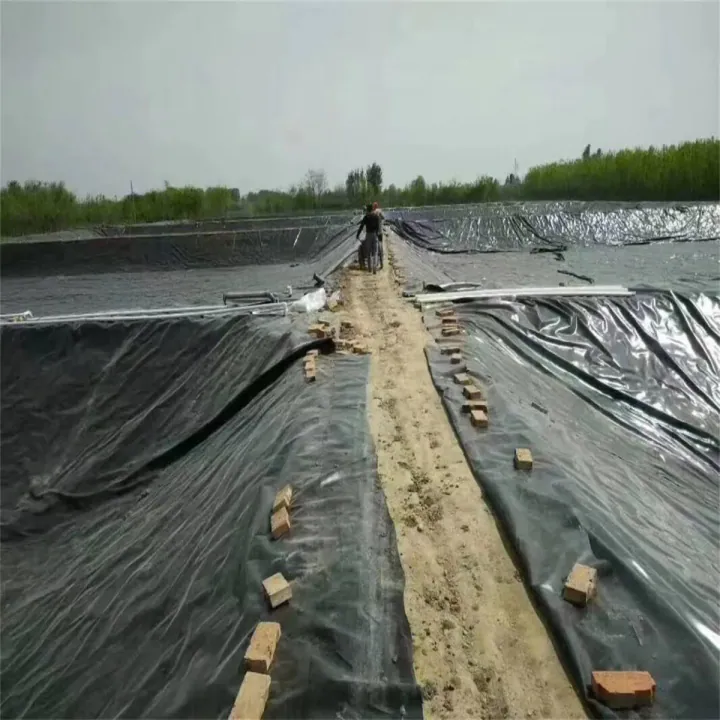
Chemical effluent basin
Focuses on verified chemical compatibility and continuity; final materials require written confirmation against the operating schedule.
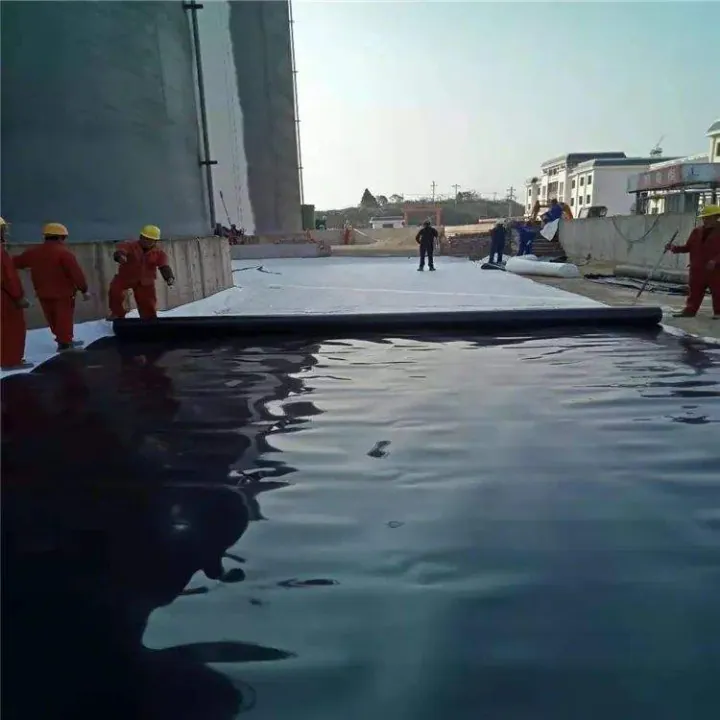
Emergency pond and secondary containment
Defines inspection, drainage and emergency checks for short-duration concentrated releases, tank bases and sumps.
Prepare these project parameters
- Complete chemical name, SDS, concentration, pH and maximum temperature
- Contact period under normal, cleaning and accident conditions
- Basin dimensions, slopes, subgrade, tank bases and penetrations
- System compatibility requirements for liner, welding rod, seals and protection
- Applicable standards, third-party verification, lot documents, quantity and delivery date