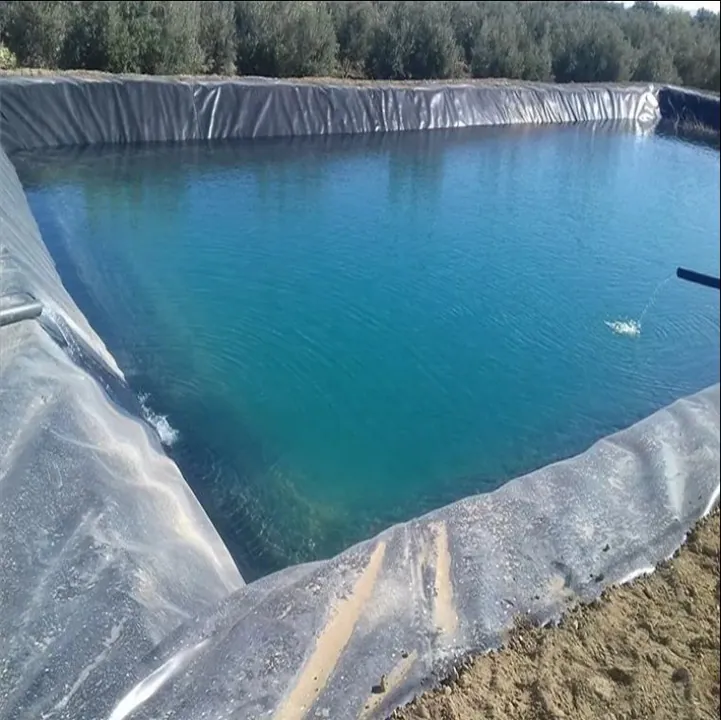
Failure to respond
How to Locate Leaks in a Lined Pond: Water-Level, Zoning and Electrical Survey Methods
Engineering answer
The drop in water level is not necessarily a membrane breakdown. Evaporative, refill, valve, throughput and overflow monitoring should be performed before the water level is observed. Vapour detection can be performed when the reservoir is cleared, vacuum detection can be performed; if the conductive medium and structure are appropriate, the fault range can be reduced by an electrical detection team.
Failure to respond
Procurement and Acceptance Checklists
| The checkpoint | Control requirements | Delivery of evidence |
|---|---|---|
| Water balance | The water entrance, exit, rainfall, evaporation and water level are all recorded | Continuous monitoring |
| System isolation | The valves, pipes, and flows can be closed independently | Isolation tests |
| Location conditions | The type of protection layer, the conditions for conducting electricity | Testing program |
Failure to respond
Common risks and addressing them
- Direct identification of the membrane leakPipe and measurement errors are often mistaken for membrane defects.
- Blindly Digging the Protected LayersThe new evidence could be made and destroyed.
Failure to respond
Steps to landing
- Building a foundationThe water level is measured at fixed times and the evaporation of rain is corrected.
- Separation of pipelines and sectionsThe first step is to close or set up temporary isolation.
- Verification after locationThe same condition is used before and after the repair.