
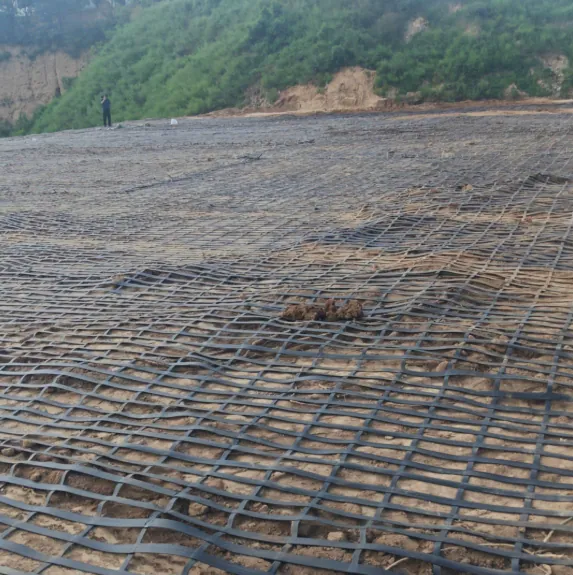
Selection guides
Key parameters and quick judgement tables
| Type of the | Typical location | Purchasing focus |
|---|---|---|
| Single/double direction plastic sheeting | The rocky, bottom-level, soft ground base | The point of the bond, the stretch strength, the stretch rate |
| Steel and plastic | Recharging the road, filling the intersection | Low stress intensity, node disconnection |
| Glass and clay | The blue layer | Temperature resistance, coating, mesh holes and adhesive |
| The first is the "Castle of the Dead". | Softened base, walls, slopes | Long-term design strength, decrease in the yield |
Design should use long-term strengths and not directly use the extreme stretch strength as a design value.
Selection guides
Project judgments and procurement conclusions
The type of screening is determined by whether the soil is rigid, the layer of debris is stable, or the layer of rubber is resistant to reflection cracking. Plastic screens are suitable for the layers and the stability of the structure; steel plastic screens are suitable for high load and low stress requirements; glass fiber screens are often used for rubber cover cracking; polished screens are suitable for soft bases, walls of rubber and situations requiring long-term stretching performance.
Selection guides
Acceptance points and common risks
- Material type of errorThe use of glass fiber is not a substitute for soft-based muscle materials that require large deformation coordination.
- Just look at the peak intensity.Long-term wear, construction damage and long-term folding can reduce design strength.
- Connected without designThe direction, width and fixed mode of connection should be determined by the direction of the force.
Selection guides
Steps to landing
- Identifying the harmThe difference between sinking, lateral displacement, braking or reflective cracking.
- Identify the levelsThe first is the "Clean" or "Clean" layer.
- Check the fillerSubmitting particulate matter, pressure density and chemical environment.
- Request for samplesThe test results are the width of the test roll, the mesh holes, the knot points and the batch stretching reports.