
Failure to respond
Geomembrane Uplift and Blistering: Causes and Remedial Measures
Engineering answer
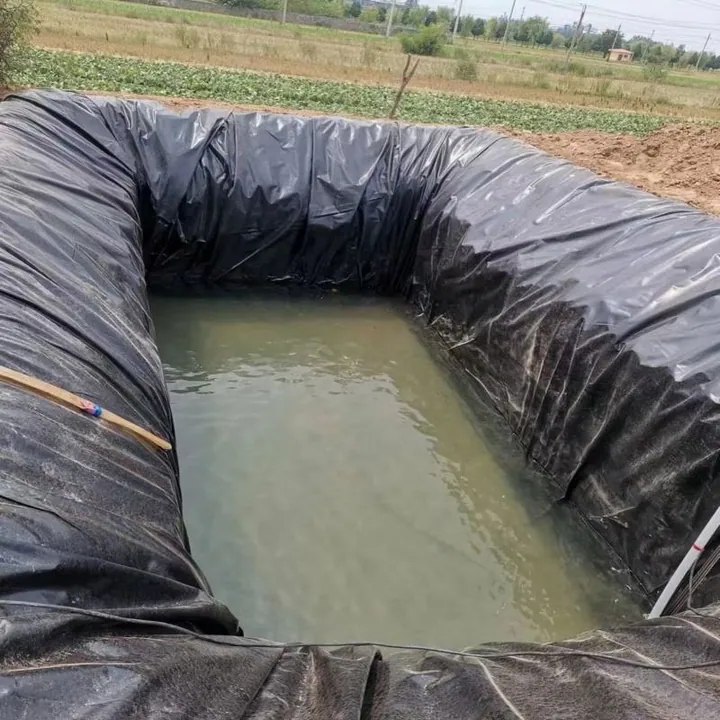
The essence of the drum is that the pressure of the membrane is above the water or gas pressure of the membrane, which is pressurized and solidified, or that the substrate falls below the membrane causing the membrane to hang. The drum pack may temporarily disappear after the vacuum pool is empty, but the source of pressure is still present. The underground water level, gas, the position of the drum pack and the operating liquid level should be monitored first, and then the decision to add the exhaust gas, overweight, repair the substrate or re-consolidate the local solids should be made.
Failure to respond
Acceptance points and common risks
- Directly breaking the airThe use of the drug can cause damage to the immune system and can release dangerous gases.
- Just a bag of sand.If the pressure source is not removed, the drum pack may be moved to the neighbouring area.
- The water is full and repairs are being made.High water pressure and wet surfaces are not safe for welding.
Failure to respond
Key parameters and quick judgement tables
| Characteristics | High probability causes | Priority checks |
|---|---|---|
| After the rain, the concentration of the | Underground water rises | The water is not the same as the water. |
| Smell or continuous bubbles | Biogas/organic gases | Air pollution and safety testing |
| Trapped along the backfill zone | The bottom falls | Pressure and Emptiness |
| The day and night change | Temperature and gas expansion | Air and compressed |
Failure to respond
Steps to landing
- The border is recordedThe size, height and time of the drum kit are measured.
- Check the source of pressureMonitoring of groundwater, gas and liquid levels.
- Developing pressure reductionThe first step is to safely release the water gas and then perform the membrane operation.
- Restoration systemRepair of substrate, conduction and geomembrane and water storage in stages.