
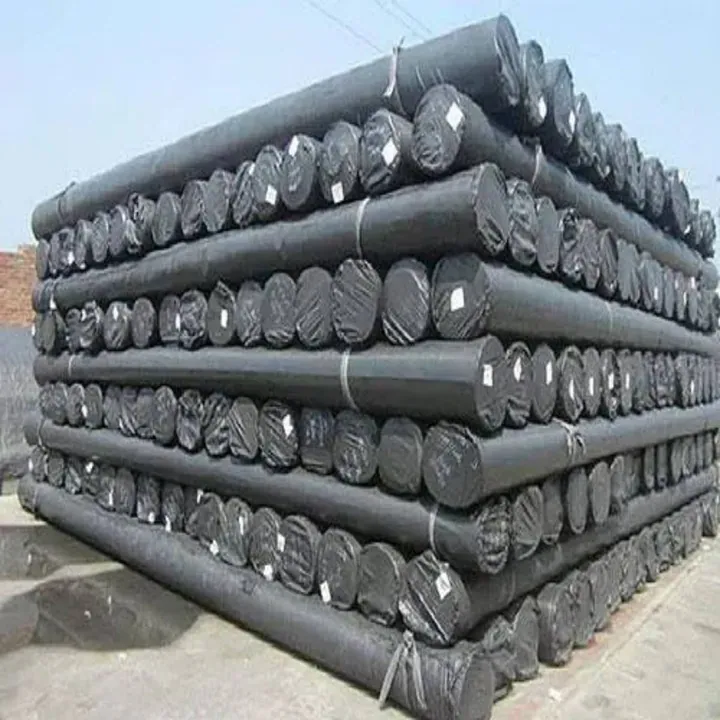
From Resin Lot to Roll Number: Building Traceability into Geosynthetic Orders
Link production lots, roll IDs, inspection records and container lists to reduce specification mix-ups and quality disputes after arrival.
Read articlePractical procurement guidance for overseas buyers and project teams.
Link production lots, roll IDs, inspection records and container lists to reduce specification mix-ups and quality disputes after arrival.
Read article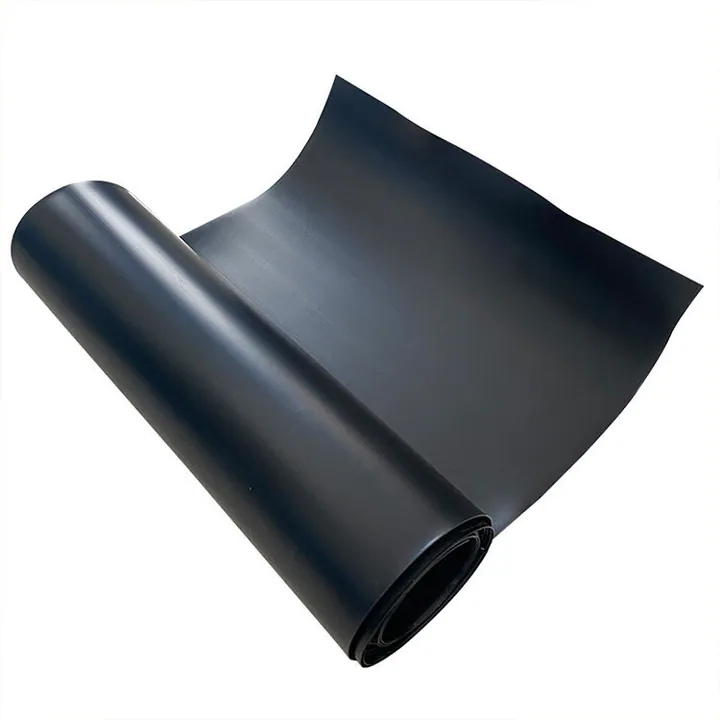
Review liquid composition, concentration, temperature, immersion duration and seam compatibility when selecting a liner.
Read article
Identify drainage, erosion control, filtration and surface protection functions before selecting a geonet, geomat or drainage composite.
Read article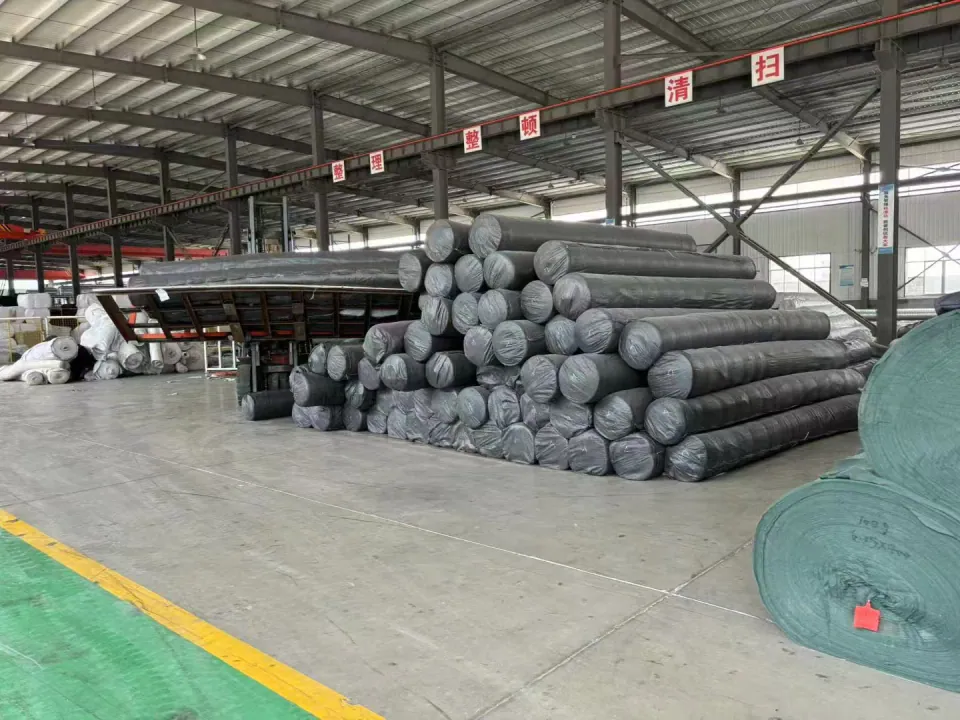
Review product identity, standard editions, methods, units, acceptance rules, sampling and document traceability before cross-border procurement.
Read article
Review the standard edition, product classification, test methods and acceptance wording instead of simply replacing the year in an old specification.
Read article
Specify the adopted edition, product class, test requirements and identification under GB/T 17643-2025.
Read article
Review identification, mechanical and filtration properties under the adopted GB/T 17639-2023 requirements.
Read article
Link air temperature, sheet temperature and wind observations to trial-seam results to control weak seams and cold-weather rework.
Read article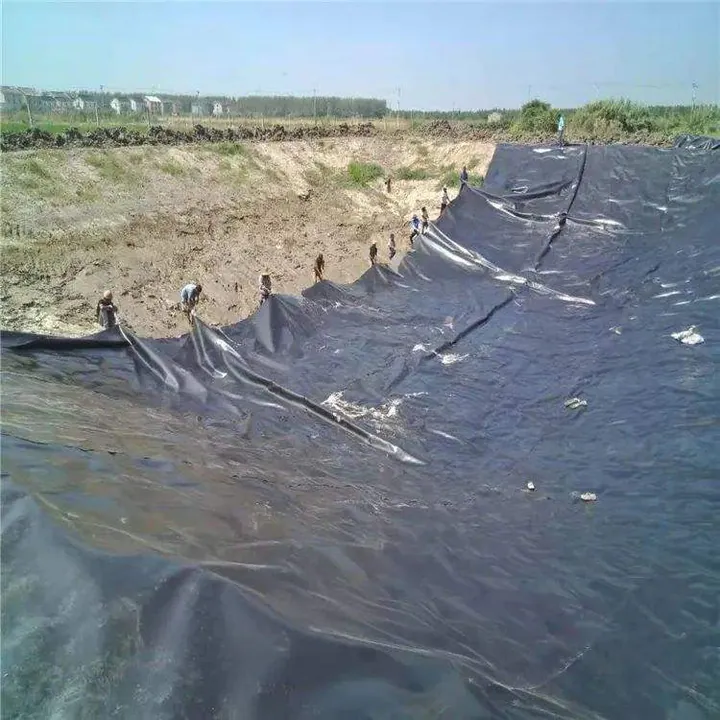
Prepare and accept the subgrade before liner delivery to control puncture, unsupported areas, settlement and uplift risks.
Read article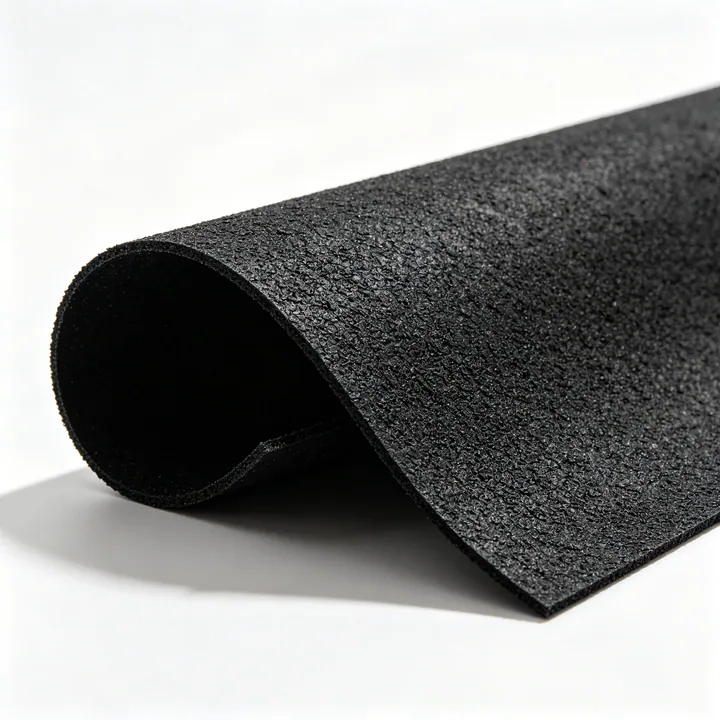
Select repairs for the defect, location and surface condition, then retain identification and retest records.
Read article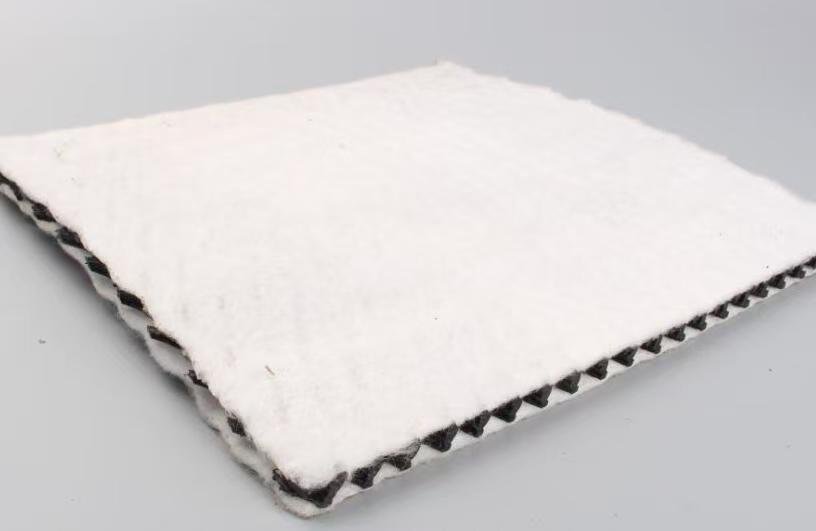
Inspect drainage-core continuity, geotextile filter joints, loading controls and outlet connections before covering a composite drainage layer.
Read article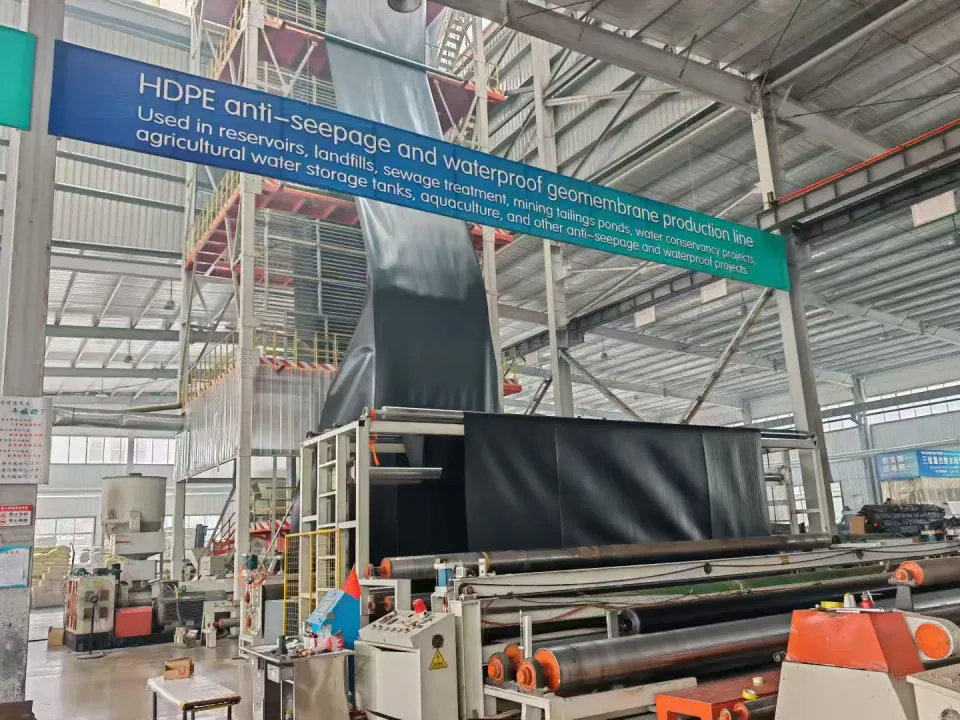
For combined geomembrane, geotextile and geogrid orders, freeze each specification and the required readiness date before confirming loading.
Read article
Agree sampling, laboratory scope, acceptance criteria and release authority before production.
Read article
Check sample identity, methods, directions and complete results when reviewing a geosynthetics test report.
Read article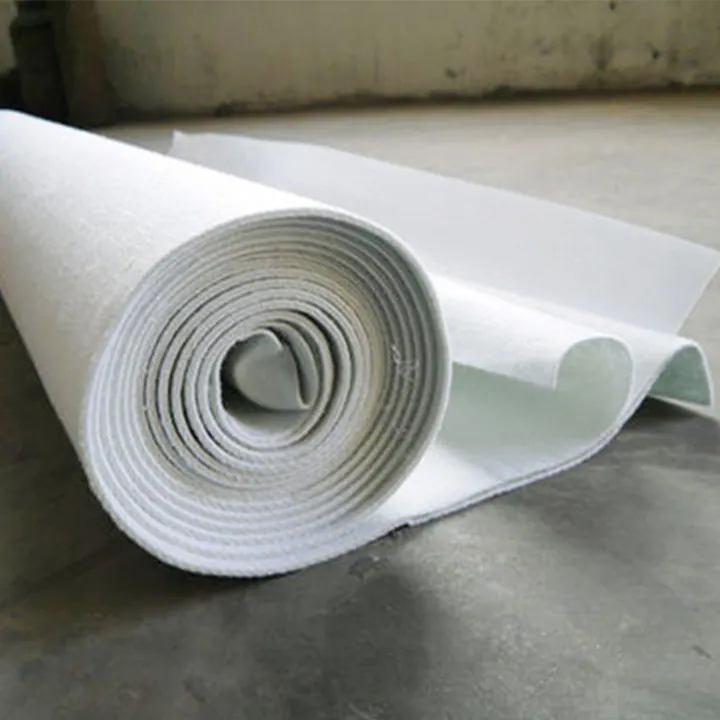
Track destination requirements, project specifications and buyer documents in a dated compliance matrix.
Read article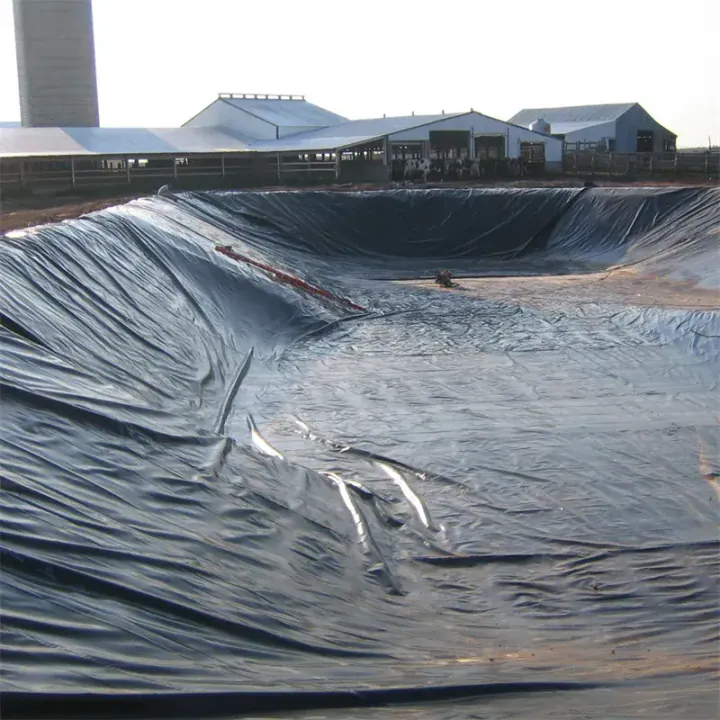
Compare material, welding, testing, rework, downtime and environmental risks within one life-cycle cost assessment.
Read article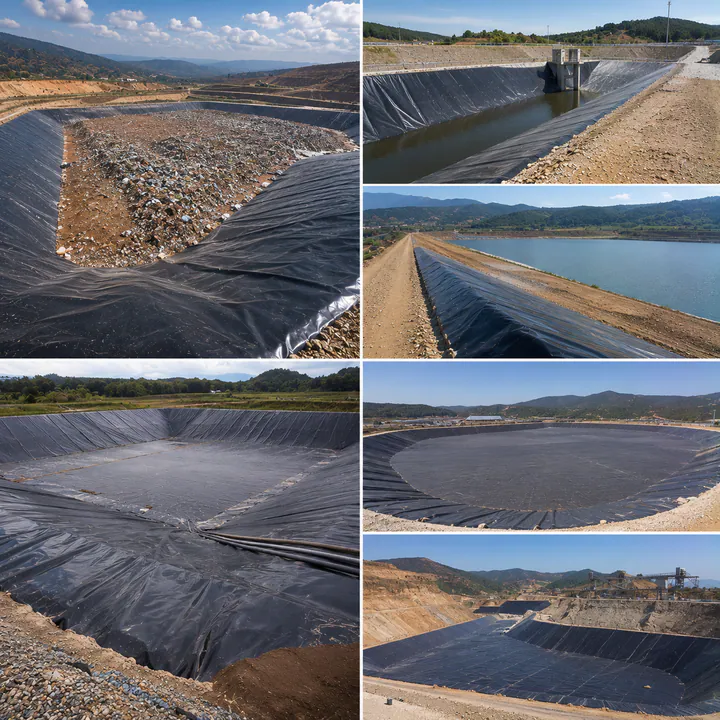
Review slope geometry, interfaces, cover and construction-stage stability when selecting smooth or textured liners.
Read article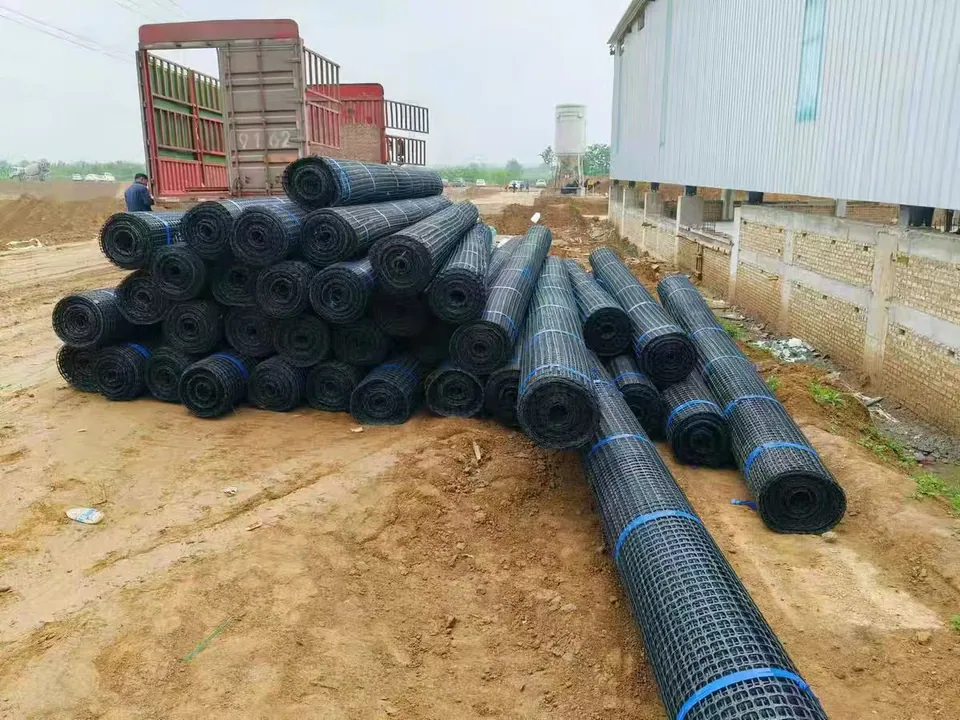
Calculate geogrid purchase area and roll count from the layer-by-layer layout, overlaps, wrap-around lengths, anchorage and reserve.
Read article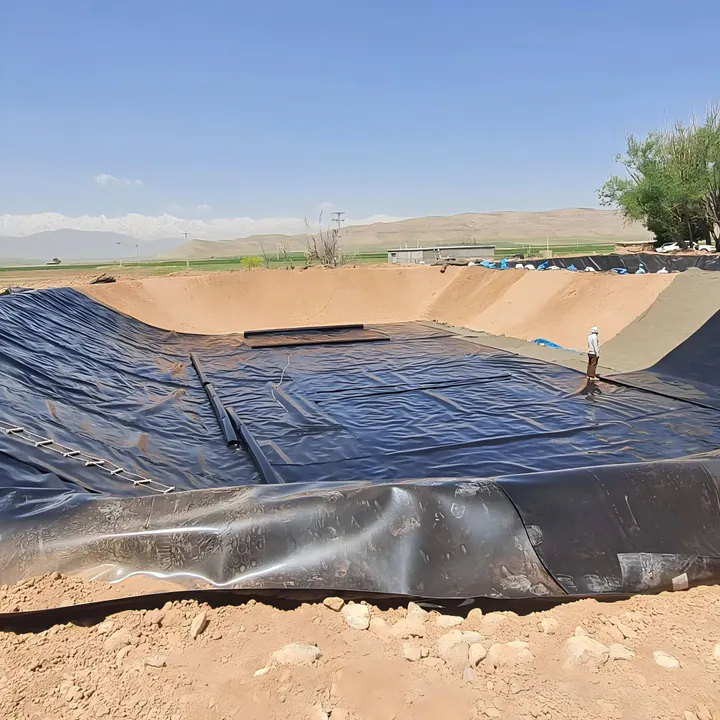
Middle East and tropical projects should review resin, stabilisation, carbon-black dispersion, chemical exposure, welding conditions and the cover programme.
Read article
Review stabilisation, sheet temperature, exposure duration and protection when planning geomembrane durability.
Read article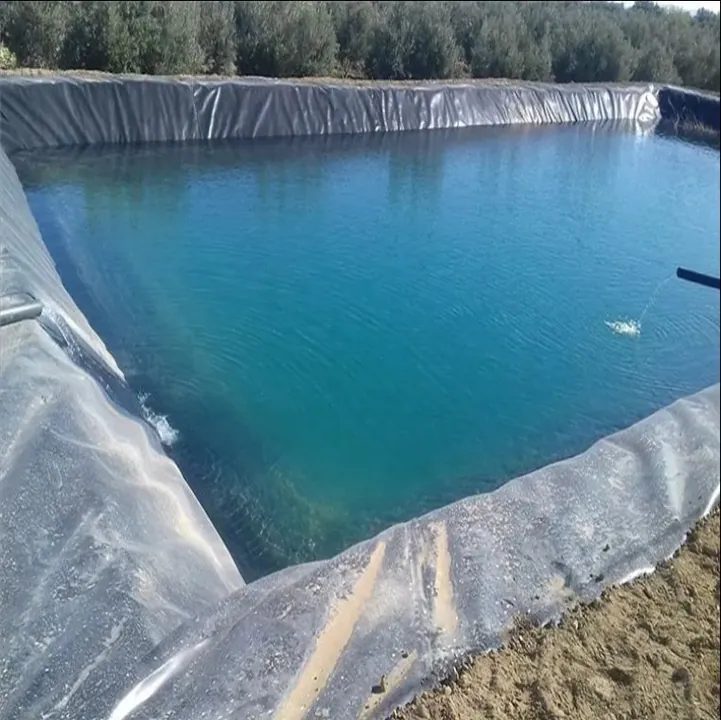
Check the water balance and pipework, then choose a leak-location method suited to the liner system.
Read article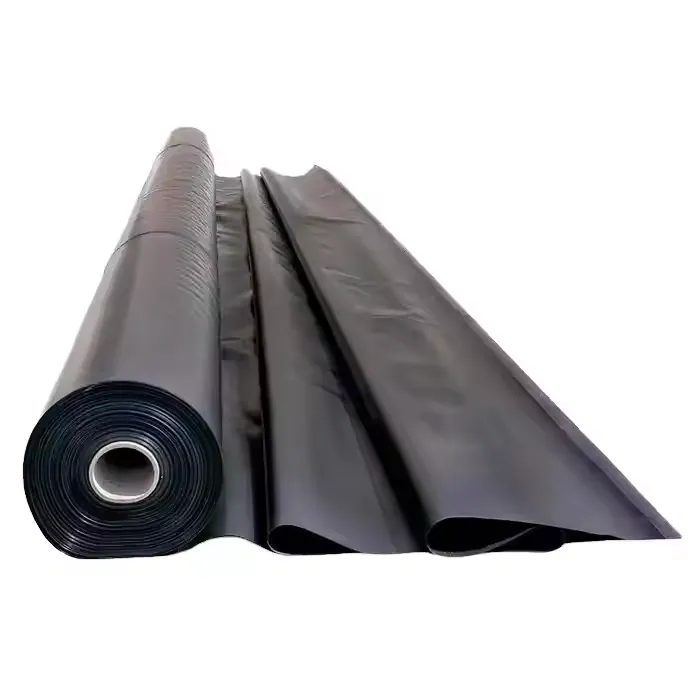
Agree sample retention, batch traceability, test methods and retesting procedures in advance, then resolve quality disputes using documented evidence.
Read article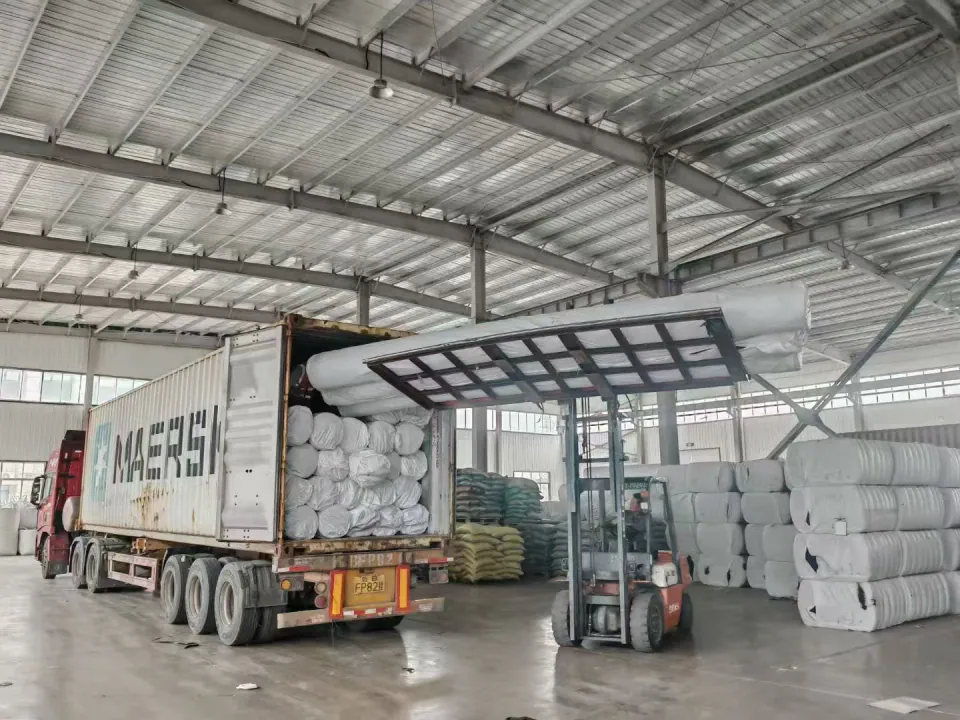
Cross-check specification, quantity, packaging and documents before loading to catch wrong labels, shortages and record conflicts while correction is still practical.
Read article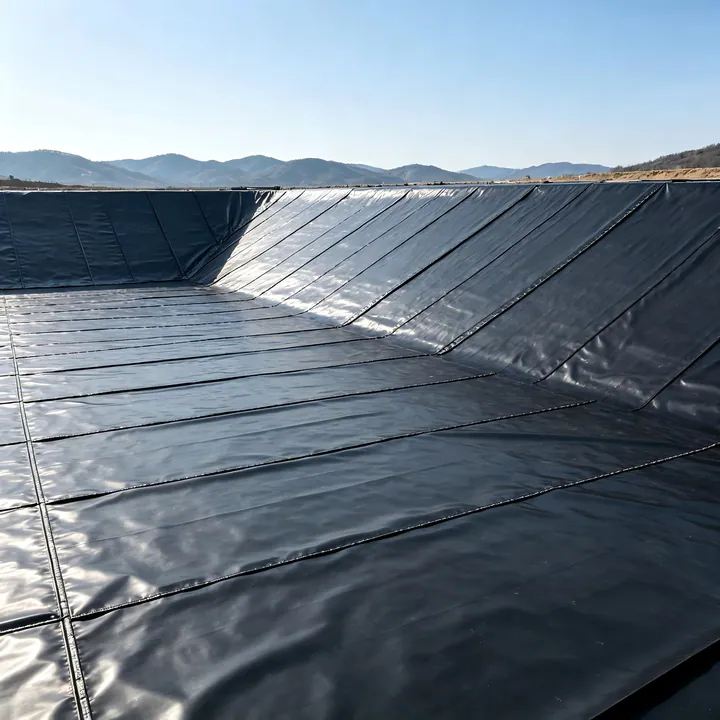
Use service conditions and approved design requirements to screen liner thickness for procurement.
Read article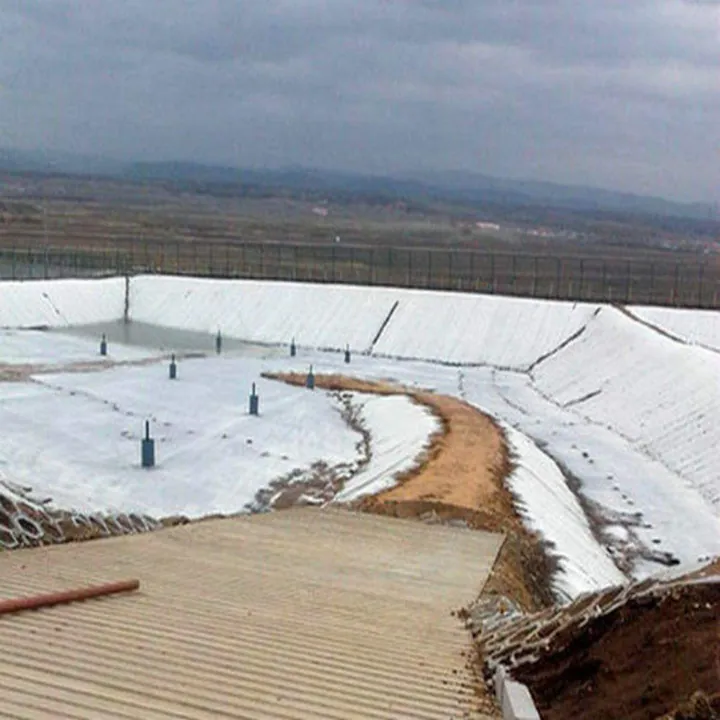
A compliant geomembrane does not make a compliant lining system. Review interfaces between membrane, geotextile, GCL, drainage layers and penetrations.
Read article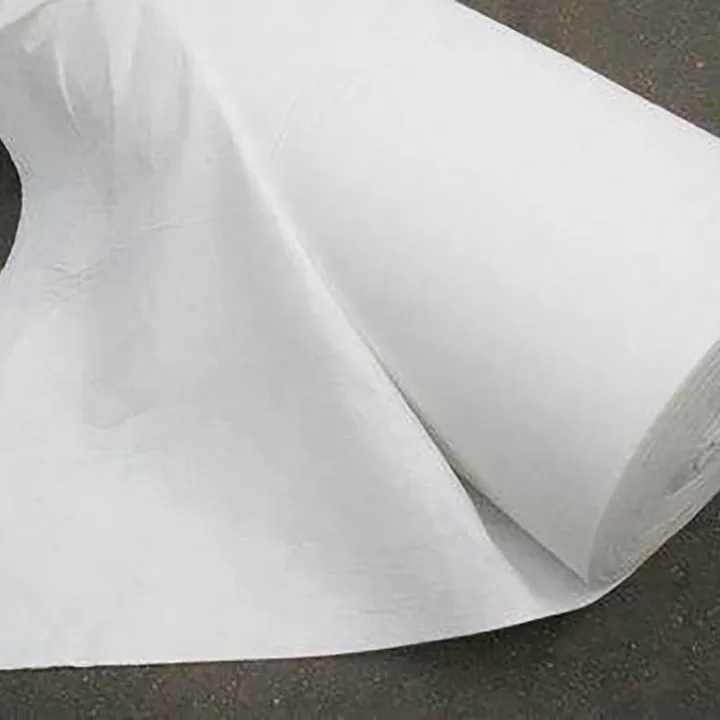
Select geotextiles using soil retention, water flow and installation-survivability requirements, with mass per unit area as an initial planning reference.
Read article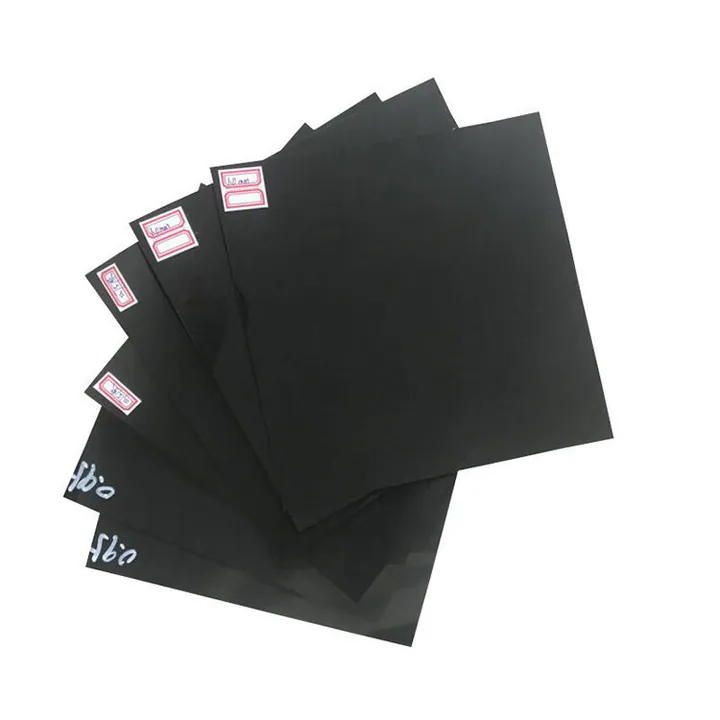
A sample represents defined characteristics—not an open-ended promise. Combine a retained sample, written specification and batch testing to control bulk variation.
Read article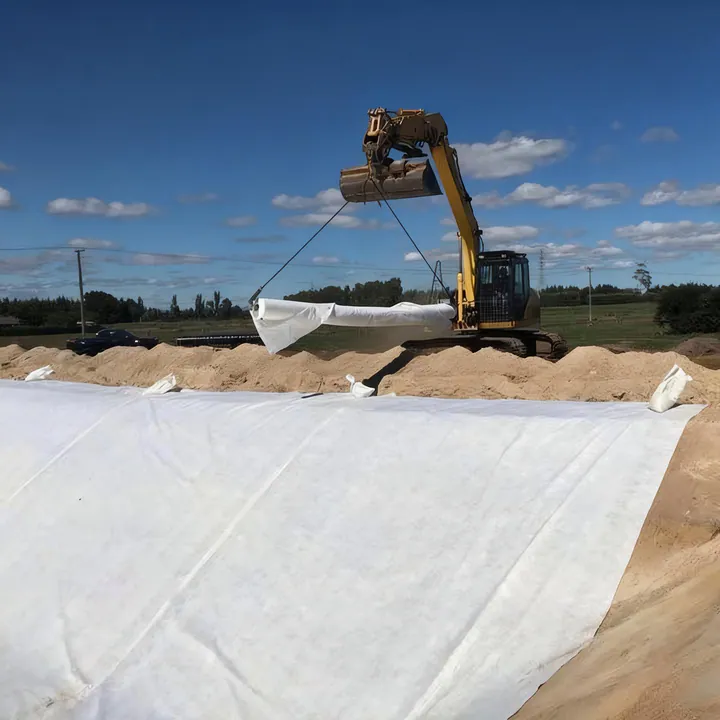
Break the inspection plan into document review, representative sampling, laboratory testing, packing checks and loading surveillance.
Read article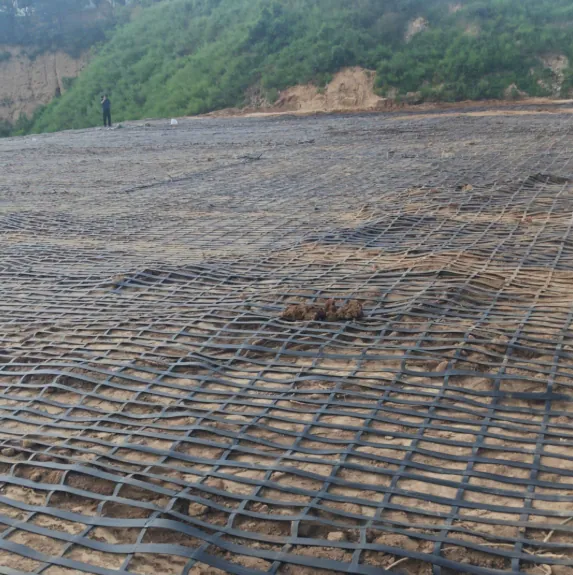
Compare geogrid types by reinforcement function, installation layer, load, temperature and long-term design requirements.
Read article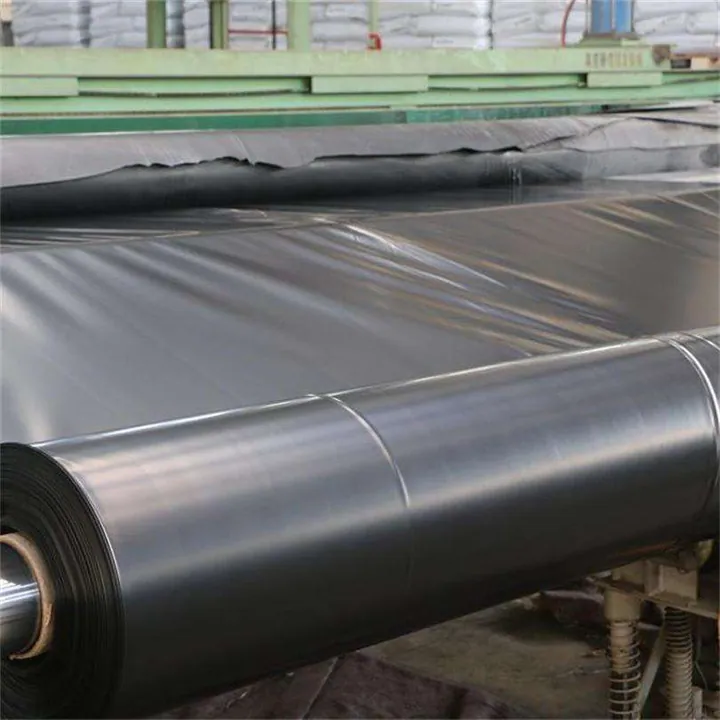
Fewer field seams are only one objective. Confirm transport, unloading, lifting and deployment capacity before approving a wider roll.
Read article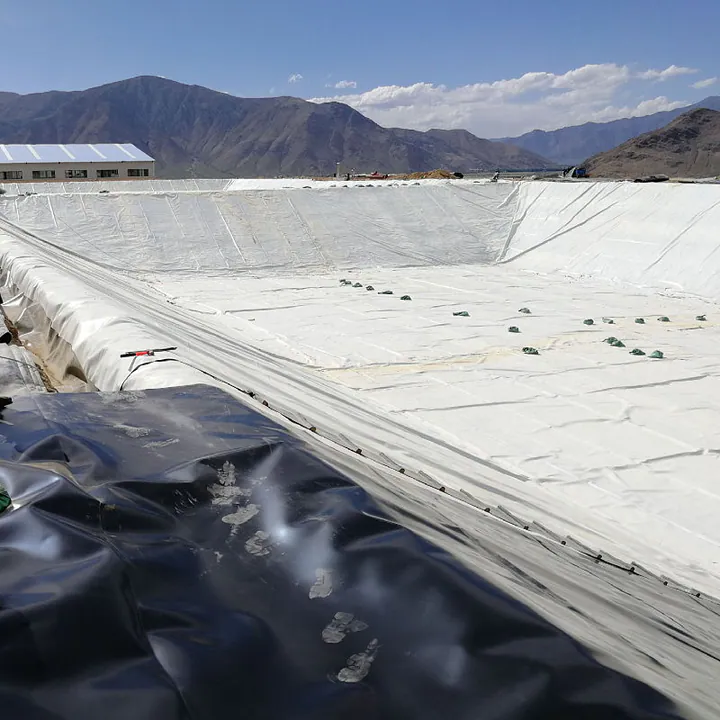
Choose the composite structure by protection direction, seam construction and subgrade roughness, with membrane thickness and geotextile mass specified separately.
Read article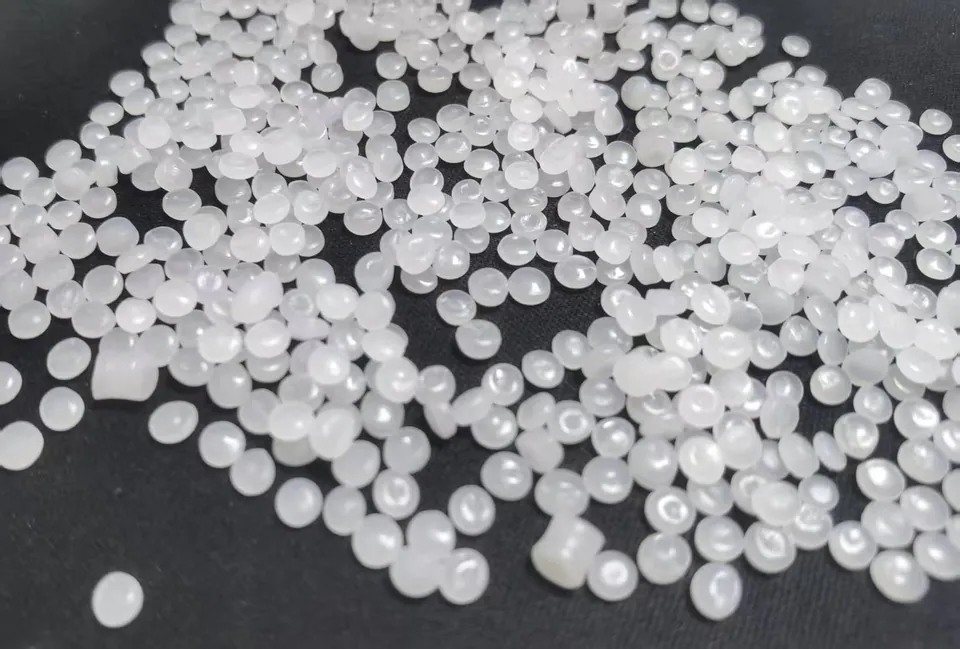
Check raw-material requirements, finished-product properties and lot traceability rather than judging geomembranes by thickness, colour or price alone.
Read article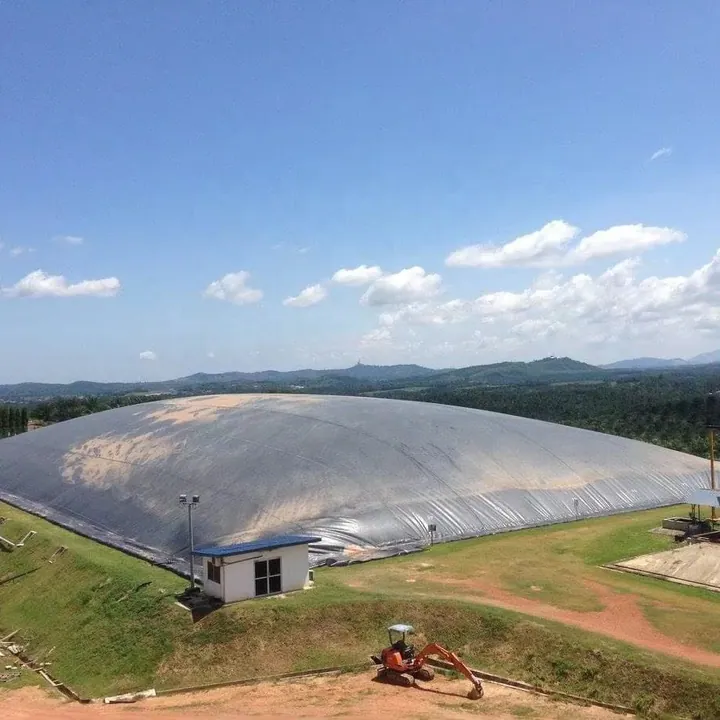
Include UV exposure, material temperature, storage and welding conditions in the selection and installation plan.
Read article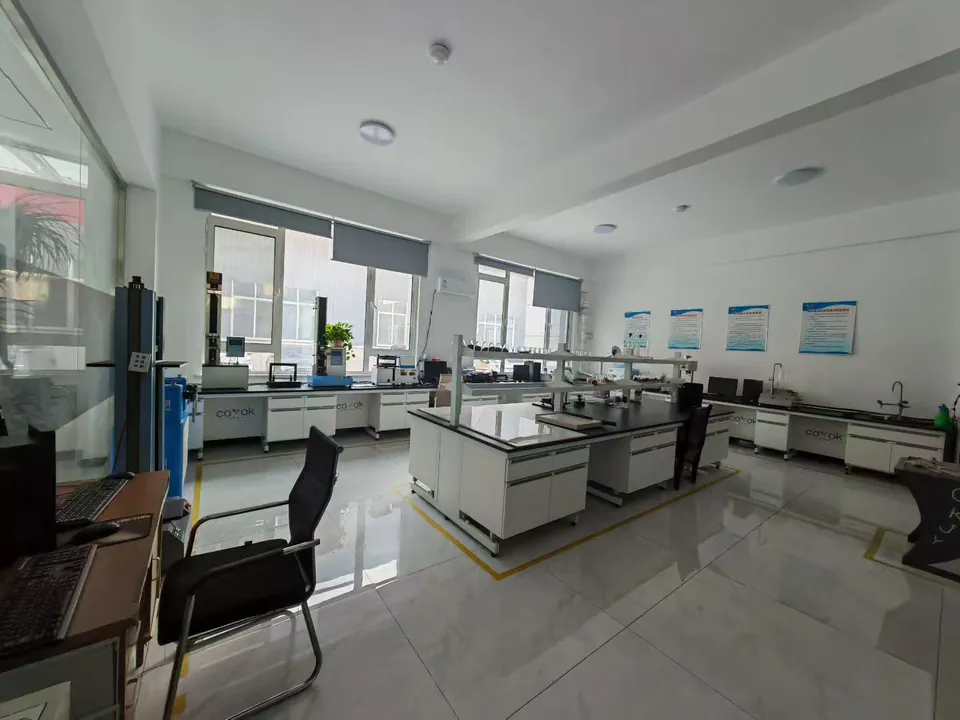
A certificate is only the starting point. Useful delivery records connect specifications, test results, lot ranges and physical roll identification.
Read article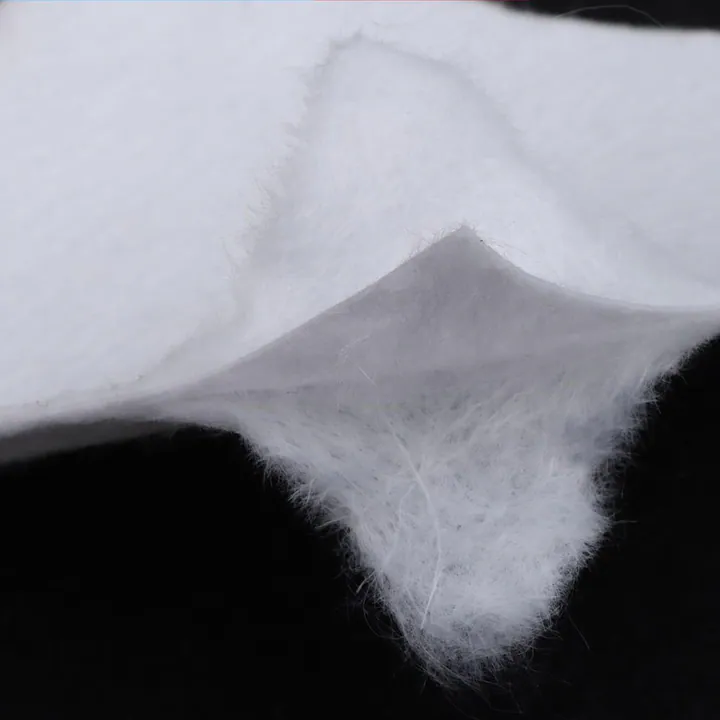
Mass per unit area is not a filtration design parameter. Opening size, permeability, soil gradation and hydraulic conditions must be evaluated together.
Read article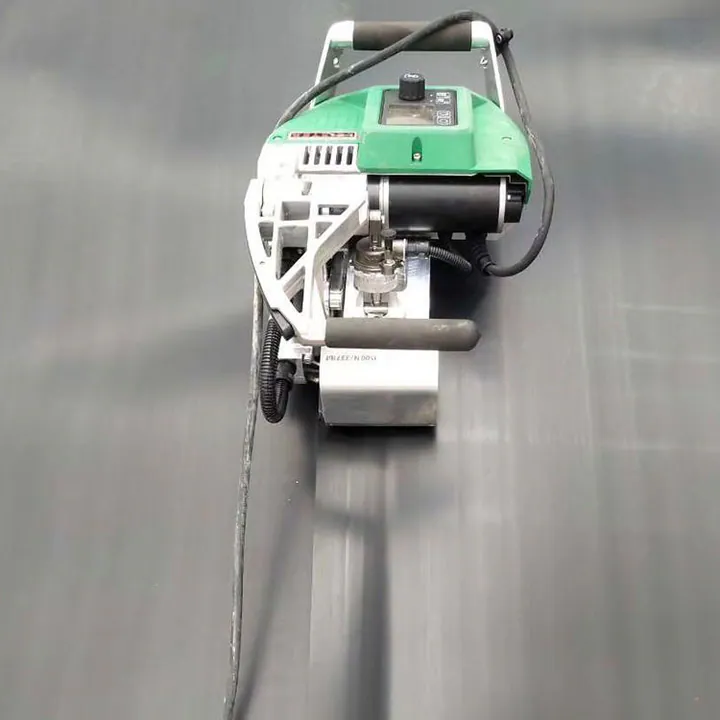
Establish temperature, travel speed and pressure with trial seams, then keep traceable records of welding, testing, repairs and retesting.
Read article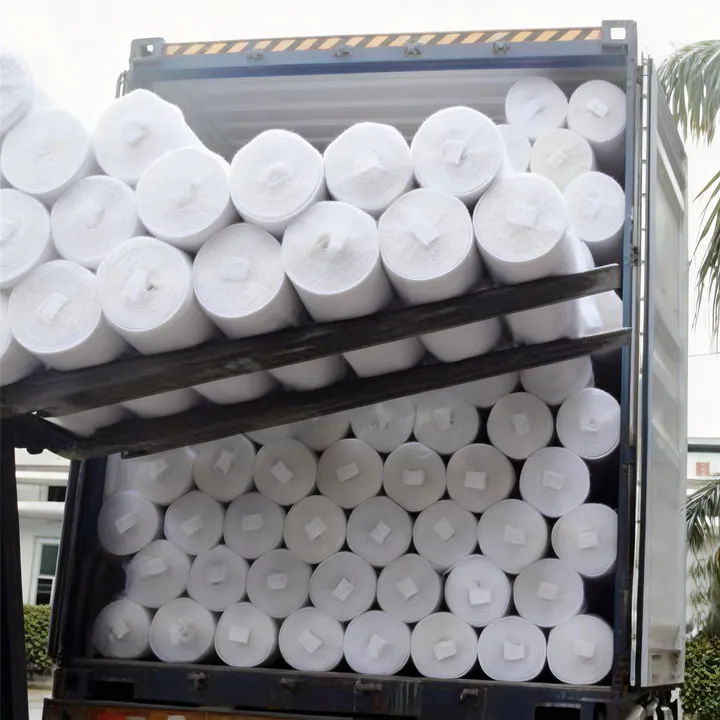
Different rolls have different moisture, pressure and abrasion risks. Match the packing plan to the voyage, handling method and destination storage conditions.
Read article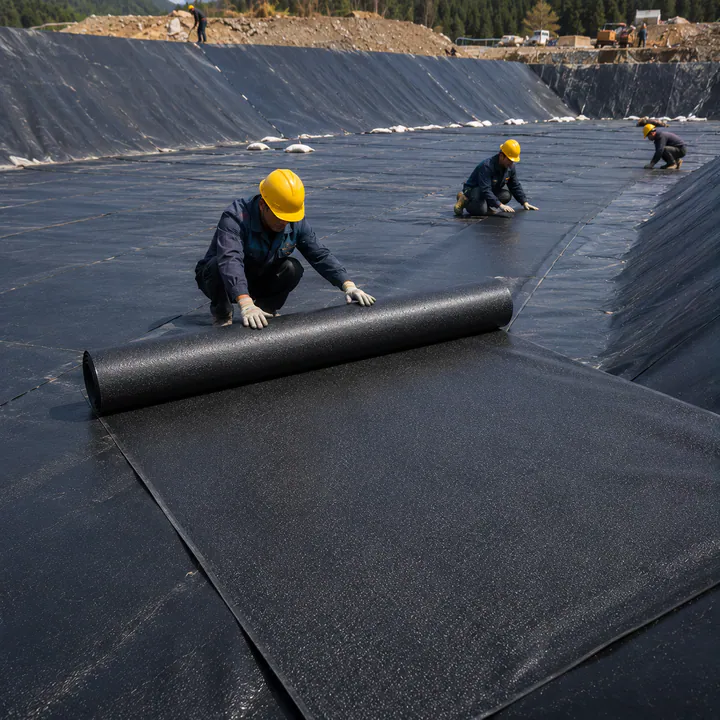
Plan shaped patches, compatible boots and designed connections for corners and penetrations.
Read article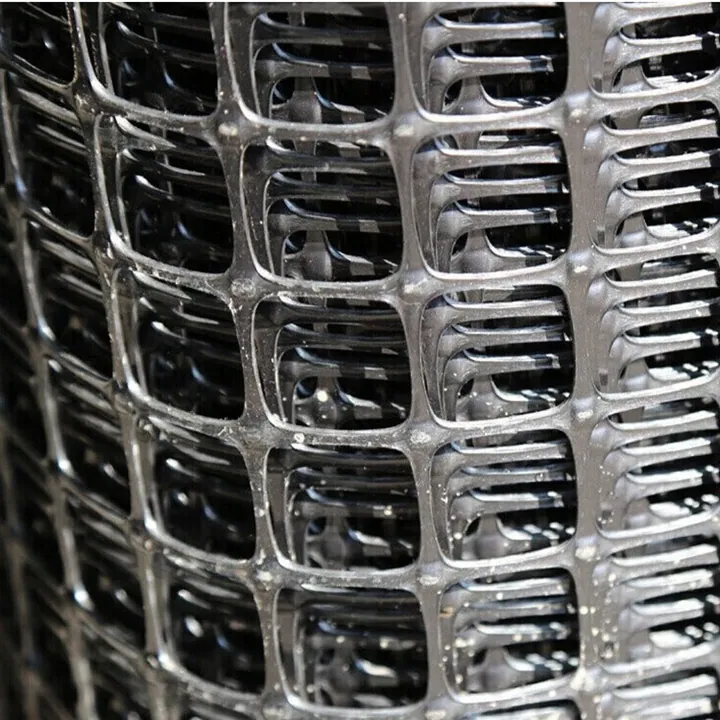
Separate short-term tensile properties from long-term design strength, and review creep, installation damage, durability and connection requirements.
Read article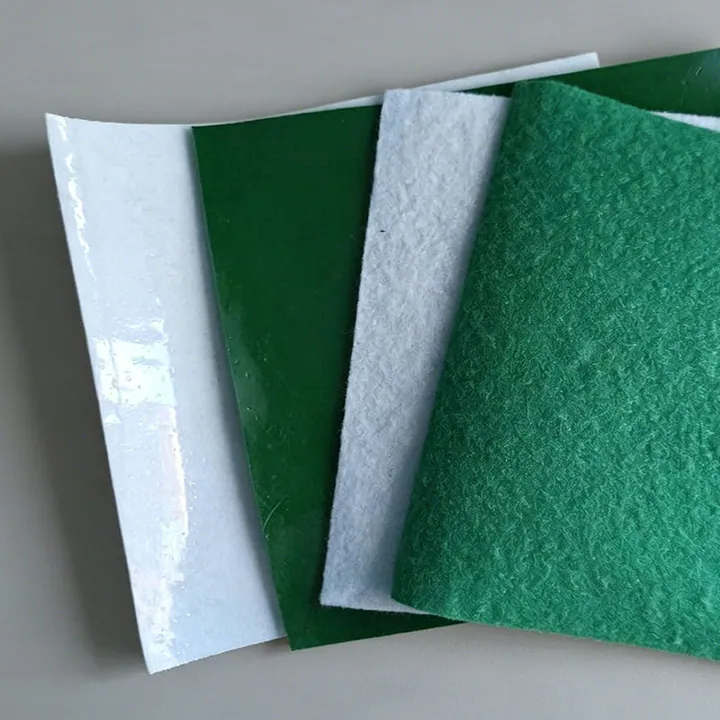
Clear application, geometry, standard, quantity and delivery information produces a specification and price that can be compared against the real project.
Read article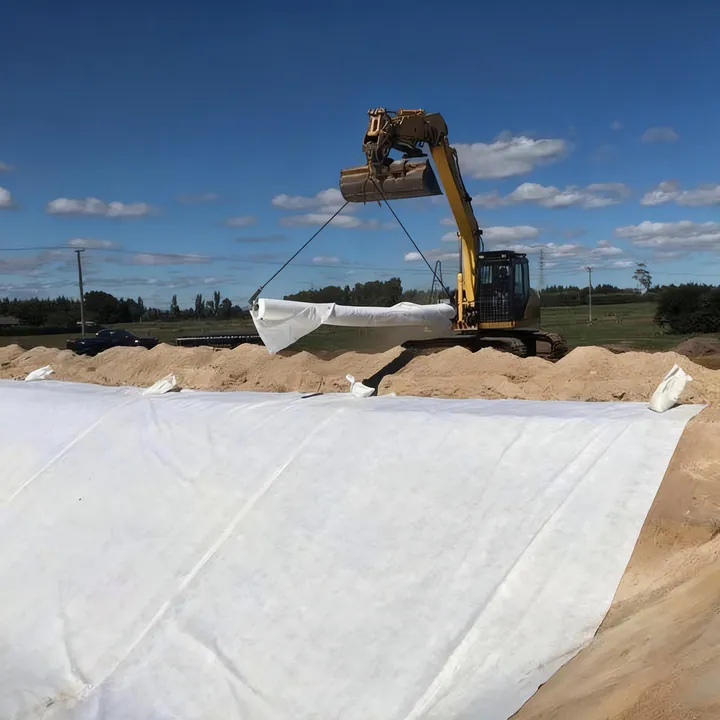
Select geotextile overlaps, seams and temporary restraint for the subgrade, water flow, wind and cover-placement method to prevent lifted edges and open joints.
Read article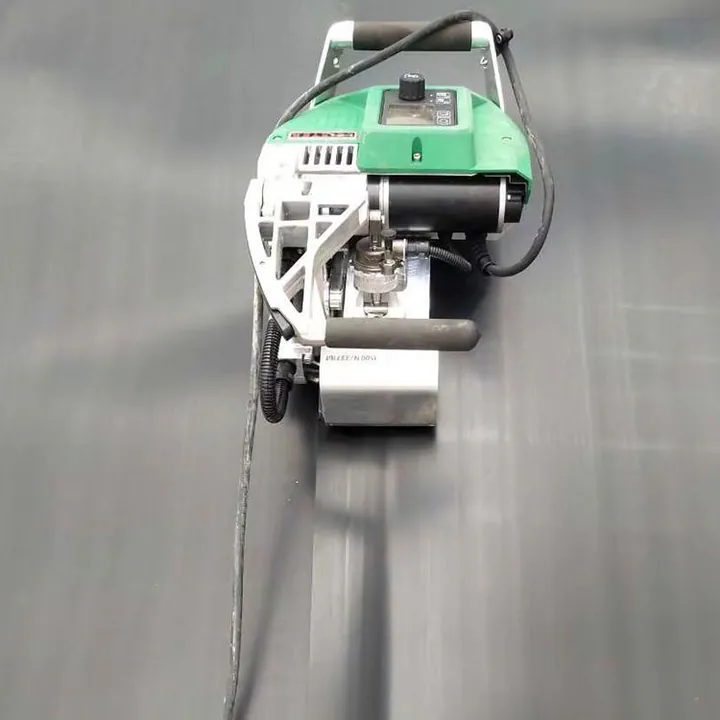
Seam testing and whole-liner integrity surveys answer different questions. High-consequence projects should preserve testable conditions from design onward.
Read article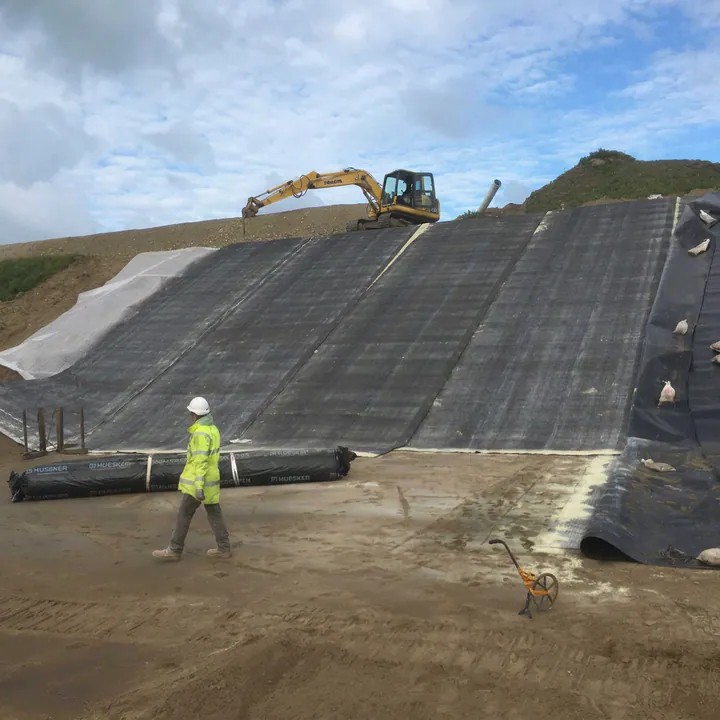
Coordinate anchors, downslope deployment, ballast, drainage and staged cover placement.
Read article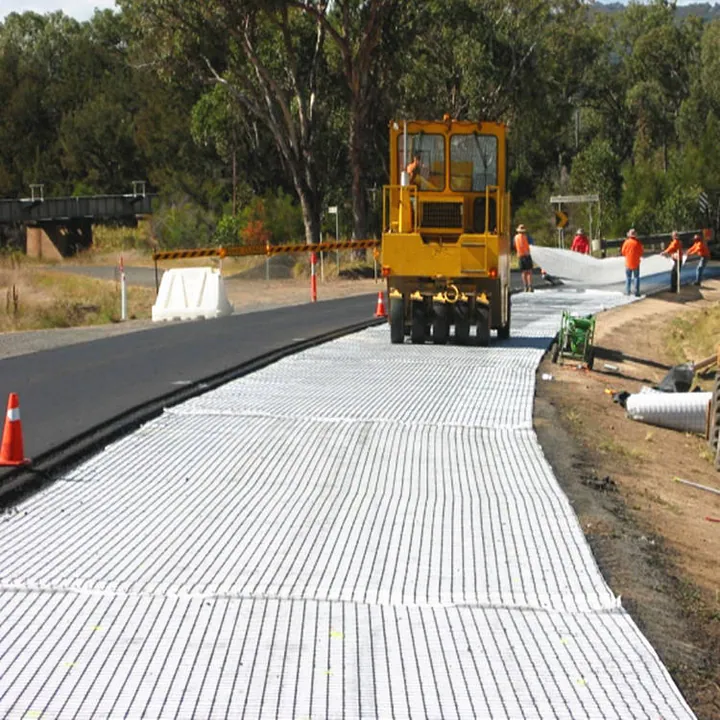
Control geogrid orientation, subgrade preparation, joints, temporary restraint and fill placement before compaction and equipment access.
Read article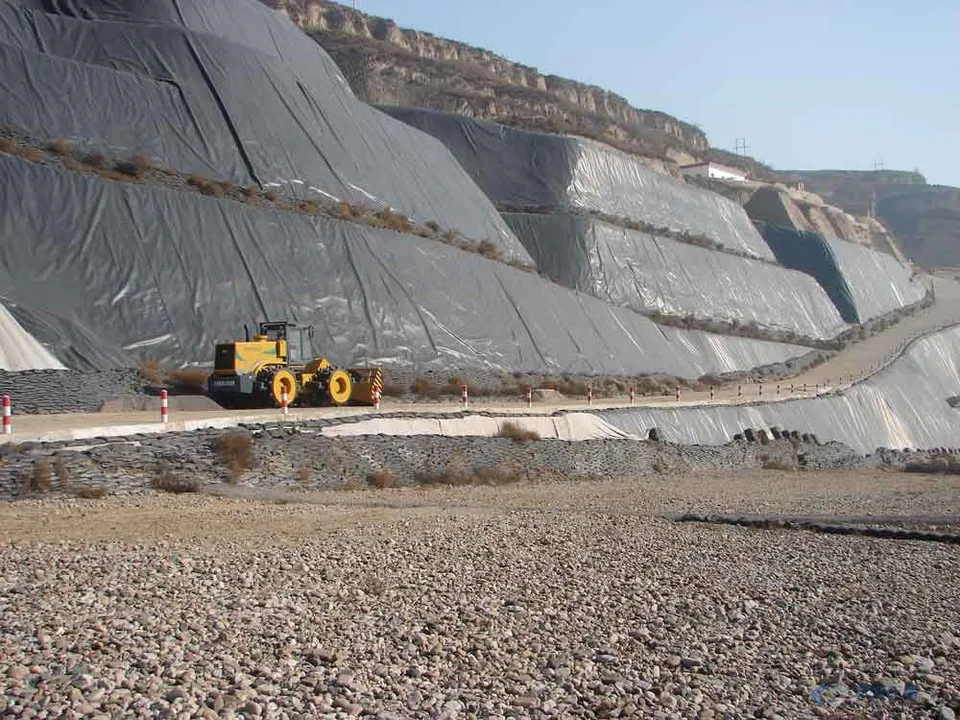
Inspect and hand over each interface between compacted clay or GCL, the HDPE liner, protection geotextile and leachate drainage layer.
Read article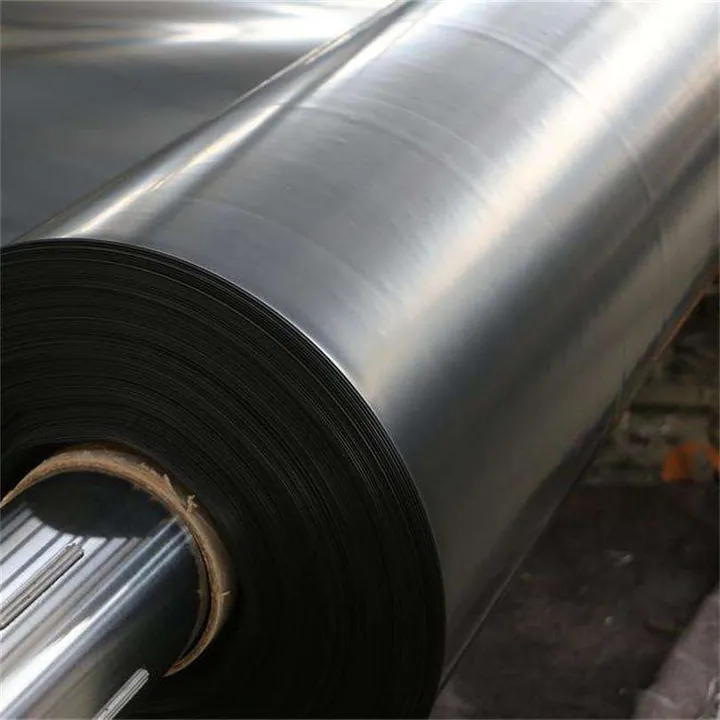
Check the adopted GM13 revision, thickness, surface, properties and testing frequency against lot-linked evidence.
Read article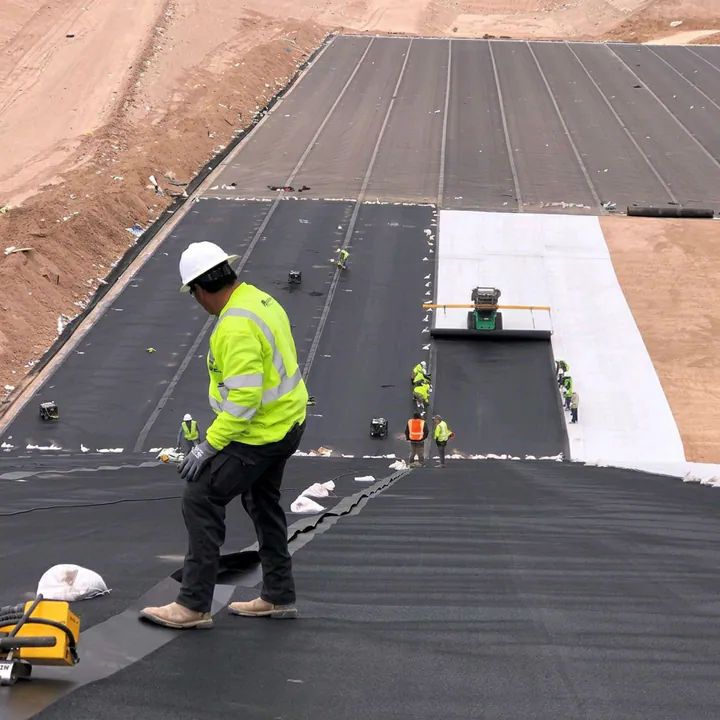
Select tests for the seam type, distinguish leak checks from strength tests, and link seam records to repairs and retesting.
Read article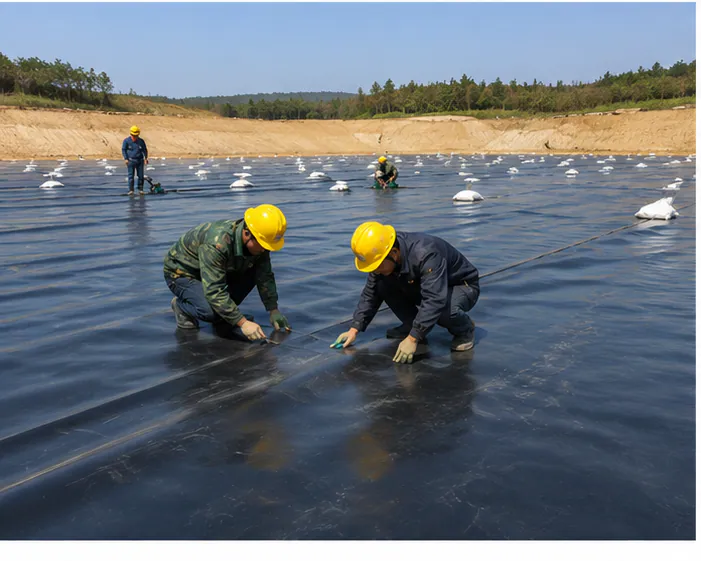
Check material batches, subgrade handover, panel layout, seam tests, repair plans and release for covering in one coordinated record set.
Read article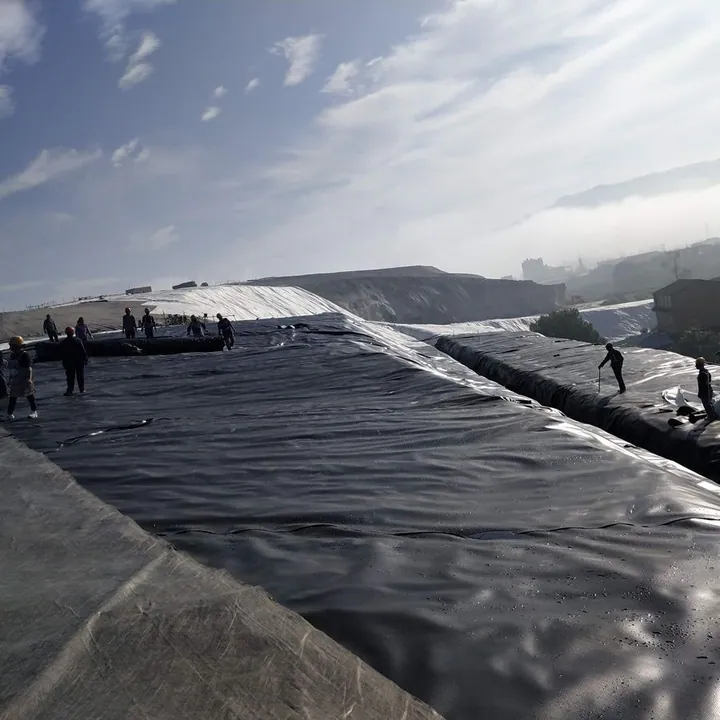
Calculate overlaps, anchorage, shaped cuts, trial seams and repair reserve separately.
Read article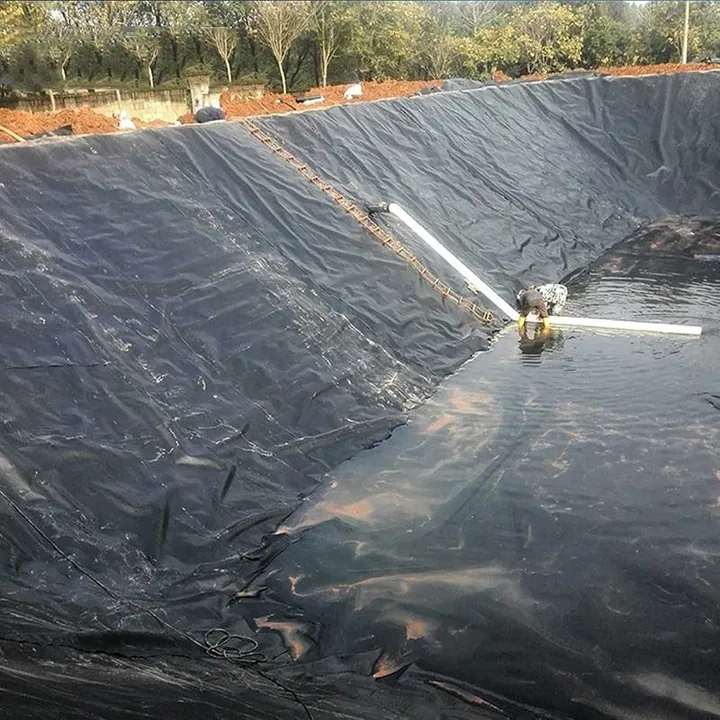
Calculate geomembrane area from the base, actual slope lengths, benches and anchor details, then check allowances, roll quantities and theoretical net mass.
Read article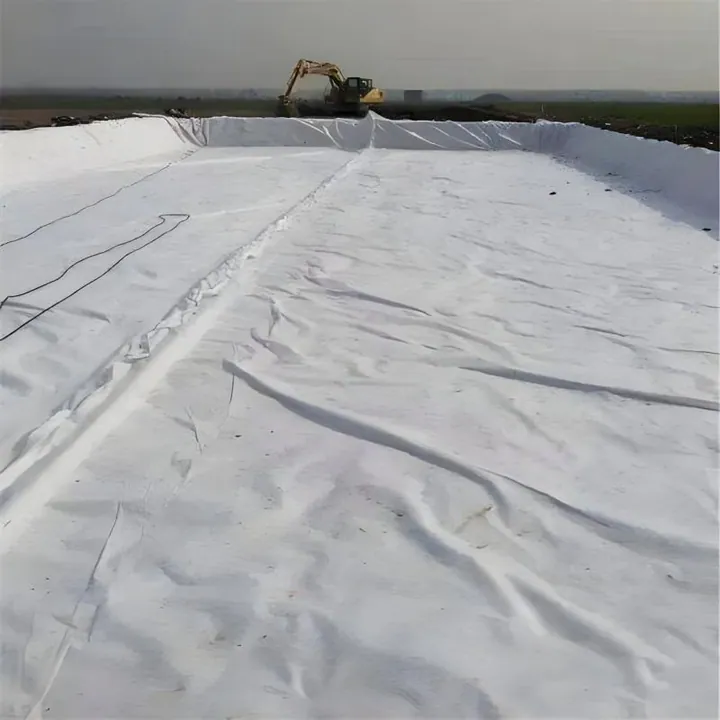
Compare liner thickness, subgrade preparation, protection geotextile and cover placement as a complete system to control total installed cost.
Read article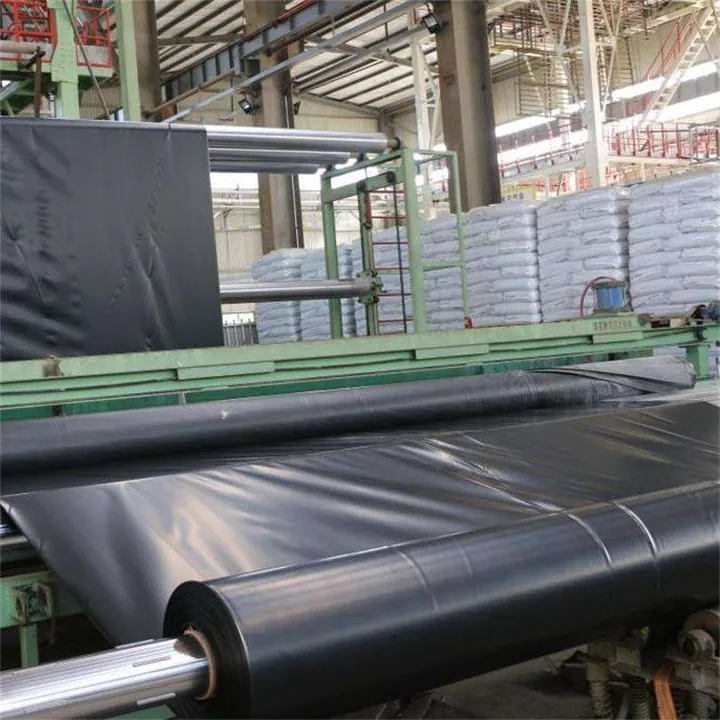
Capacity is useful only when specifications, line allocation, inspection, packing and container readiness are coordinated around the buyer’s required date.
Read article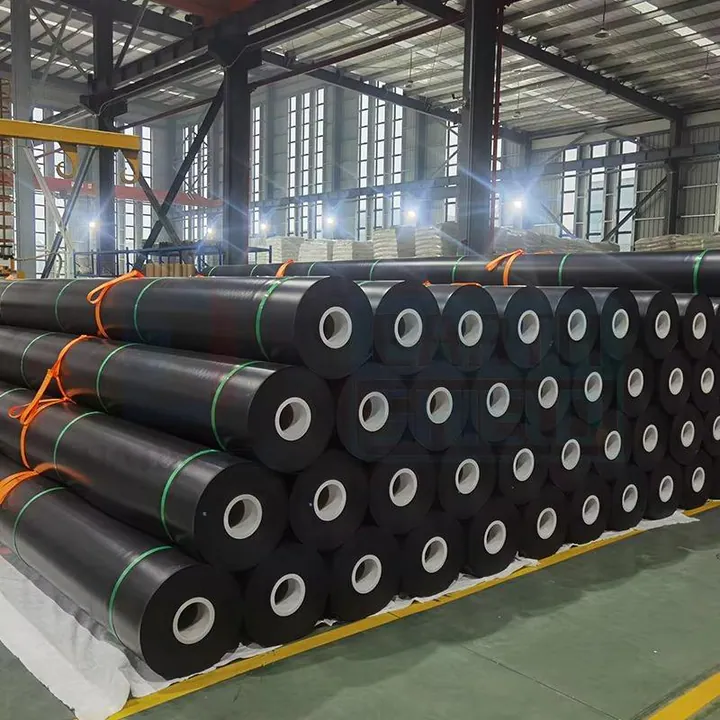
Compare material, packing, transport and destination charges on a consistent quantity and delivery basis.
Read article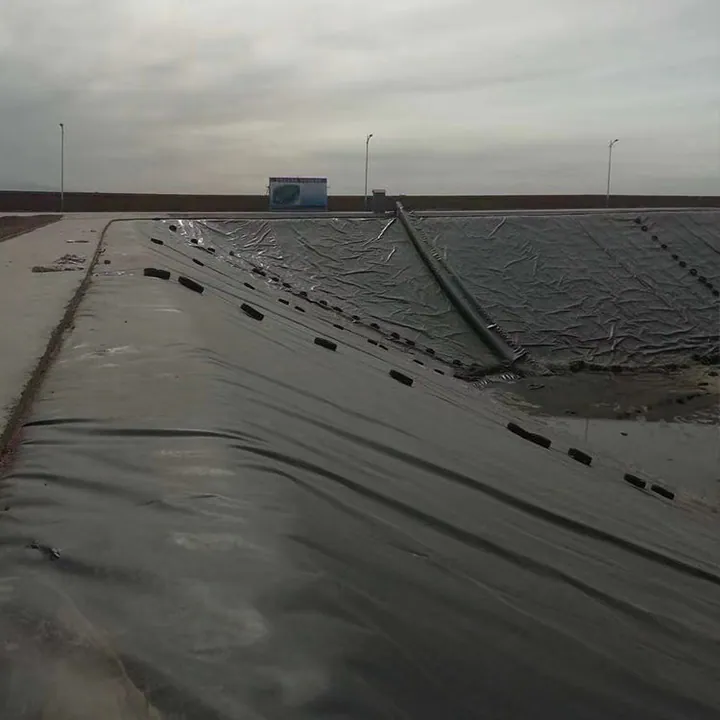
Trace seam leakage through contamination, unsuitable welding settings, intersecting wrinkles, extrusion-weld preparation and later mechanical damage.
Read article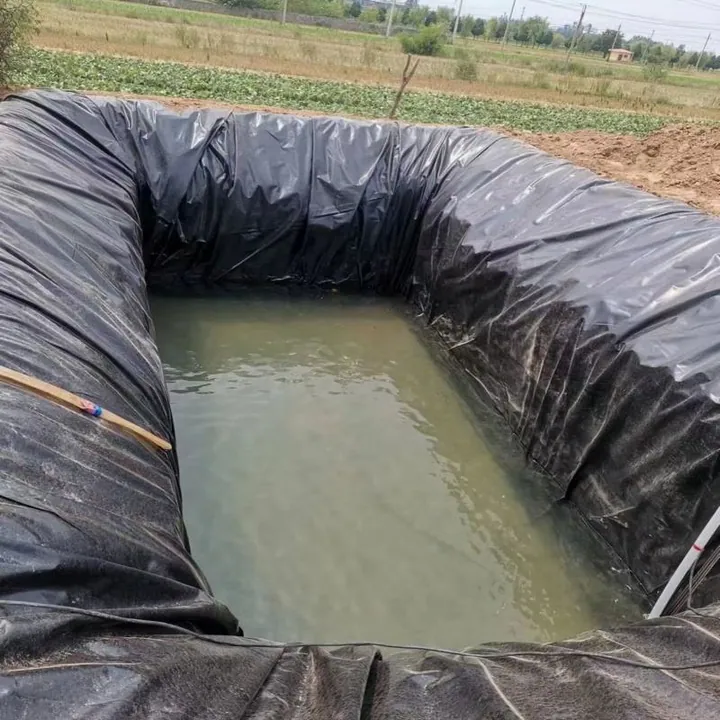
Distinguish groundwater uplift, trapped gas, subgrade settlement and temperature effects before selecting drainage, venting, ballast or local reinstatement.
Read article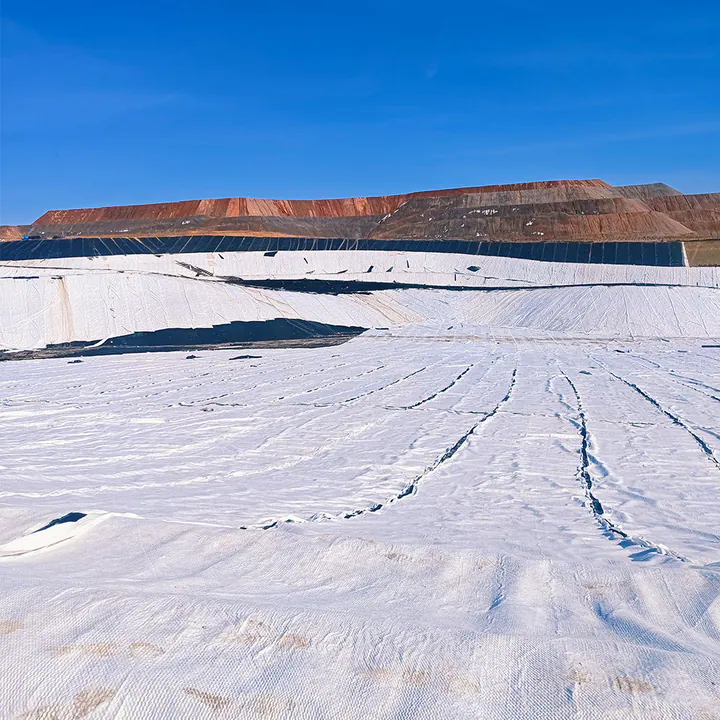
Investigate reduced drainage using flow measurements, outlet checks and samples to distinguish particle clogging, chemical deposits, biofilm and construction contamination.
Read article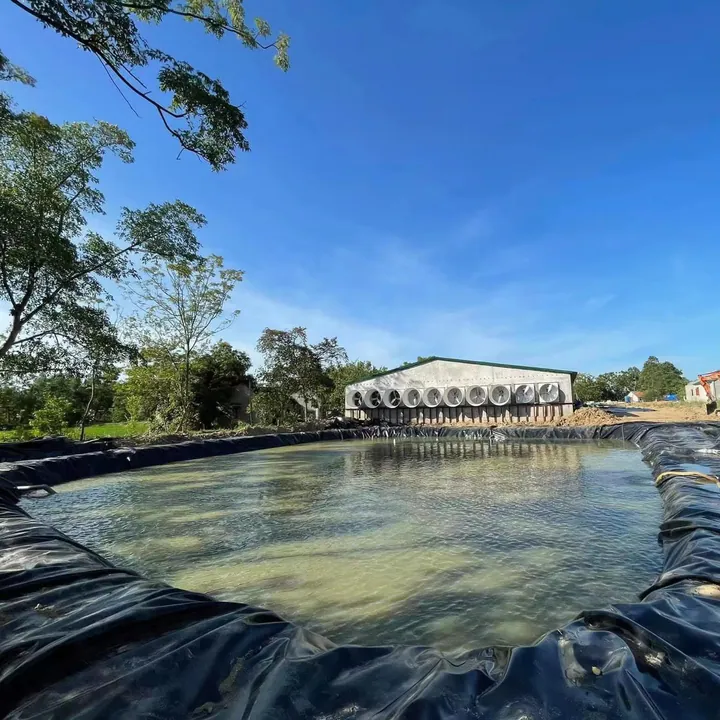
Control puncture risk through subgrade cleaning, protection geotextile, root barriers, careful cover placement and operating inspections.
Read article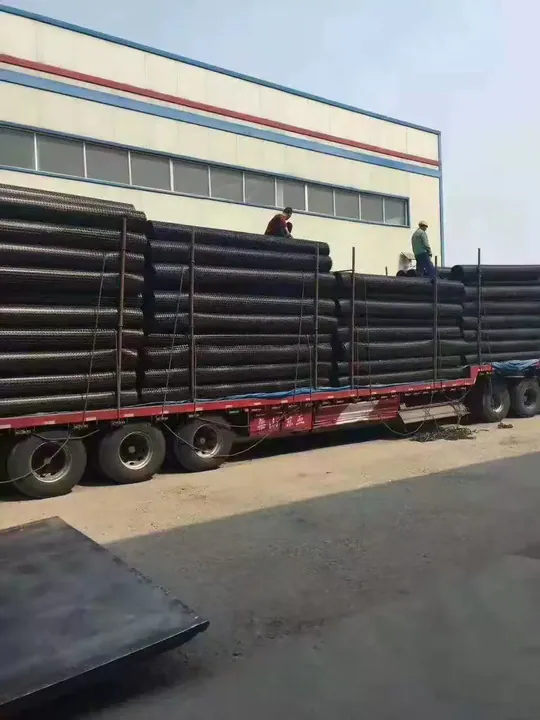
Coordinate commercial, destination-compliance and project-quality documents before shipment.
Read article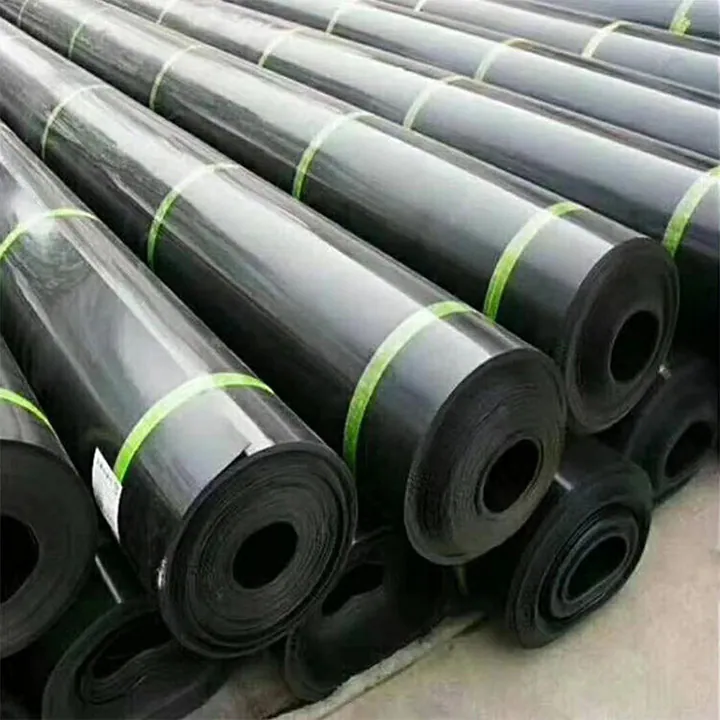
Plan container loading around roll diameter, mass, core support and unloading equipment, while protecting membrane edges and preserving roll identification.
Read article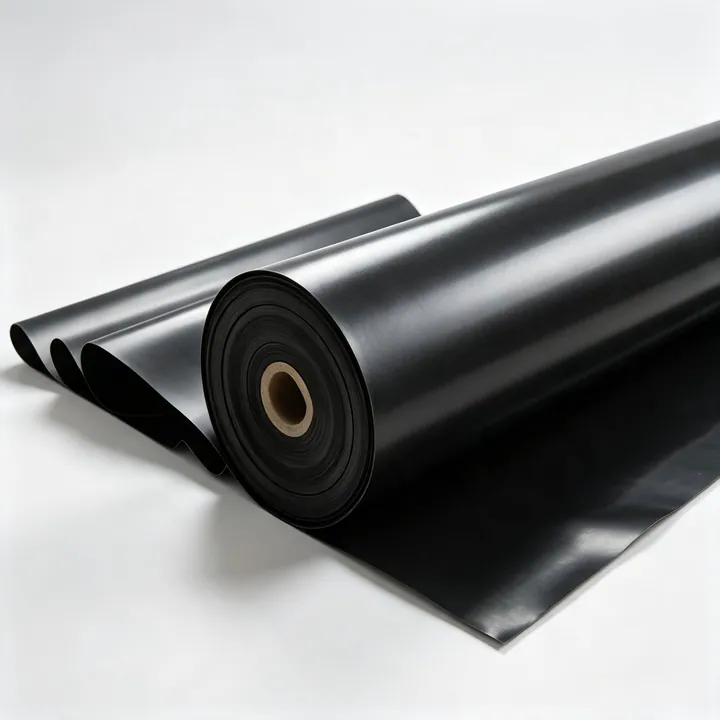
Define sample approval, testing and retained-sample records alongside bulk-lot inspection.
Read article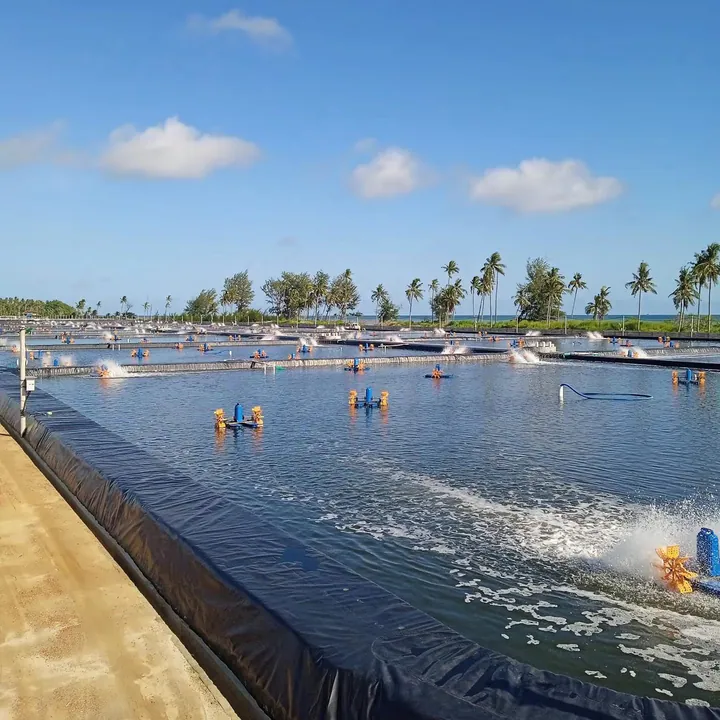
Calculate developed areas, panel quantities, seam length and theoretical mass from a versioned layout.
Read article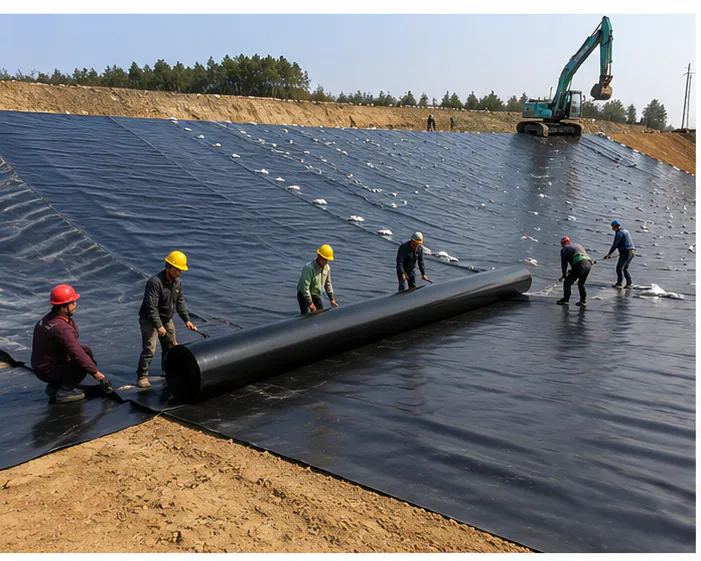
State the vertical-to-horizontal convention when converting slope ratios, percentages and angles.
Read article
These products solve different problems. Compare barrier mechanism, subgrade, confinement, hydration and long-term exposure before specifying either system.
Read article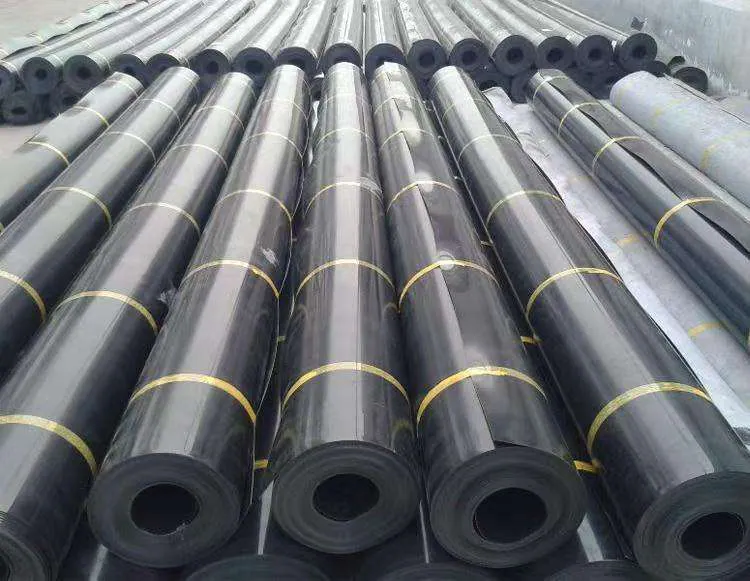
International buyers are placing greater weight on traceability, system compatibility, verifiable testing, delivery planning and total installed risk.
Read article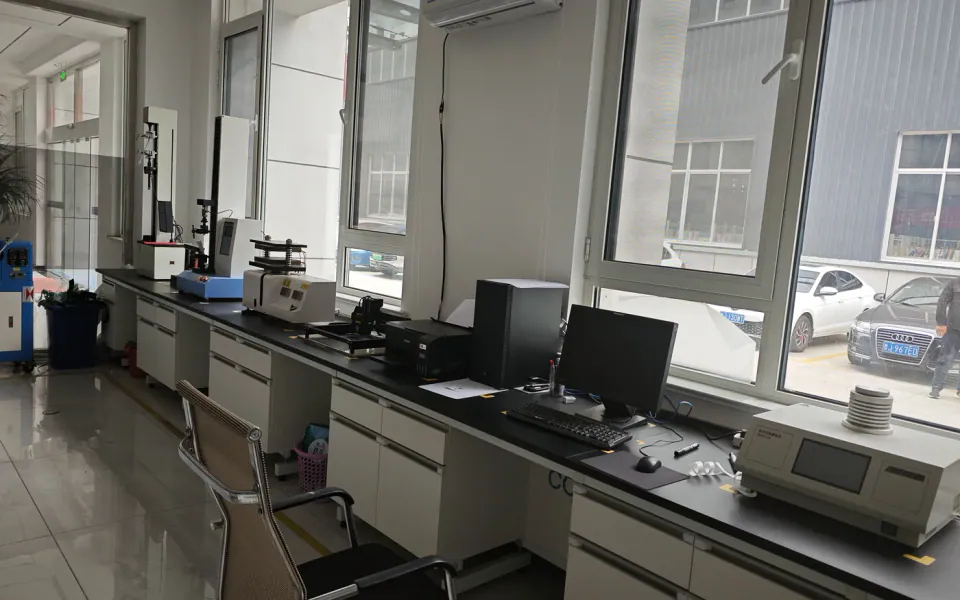
A named standard is not enough. Buyers need the correct edition, property table, test methods, lot frequency, identification and release documents.
Read article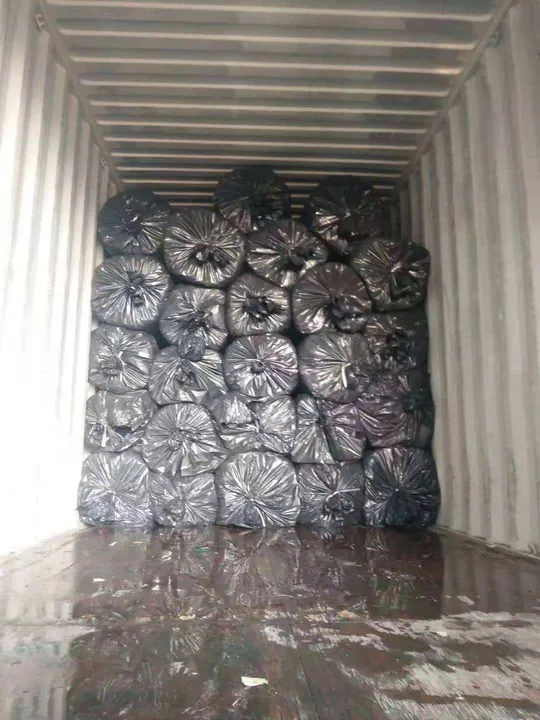
Wide panels can reduce field seams, but folding geometry, package mass, unloading access and deployment control must be agreed before manufacture.
Read articleNo matching items.
Our team will respond within one business day. A quotation will be provided after your project requirements are confirmed.