
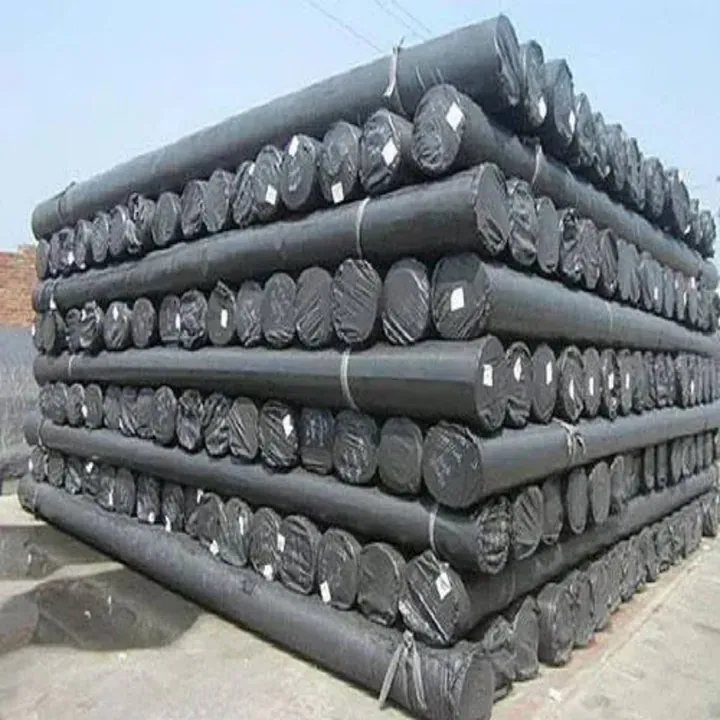
From Resin Lot to Roll Number: Building Traceability into Geosynthetic Orders
Link production lots, roll IDs, inspection records and container lists to reduce specification mix-ups and quality disputes after arrival.
Read articlePractical procurement guidance for overseas buyers and project teams.
Link production lots, roll IDs, inspection records and container lists to reduce specification mix-ups and quality disputes after arrival.
Read article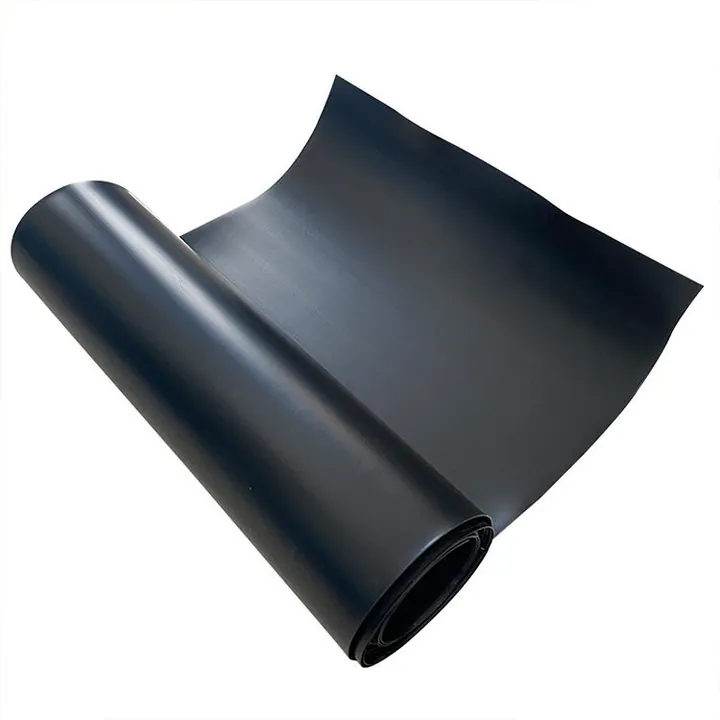
The keyword for the method is "locking" the liquid components, temperature, immersion cycle and chemical compatibility, avoiding the use of only three words for chemical resistance.
Read article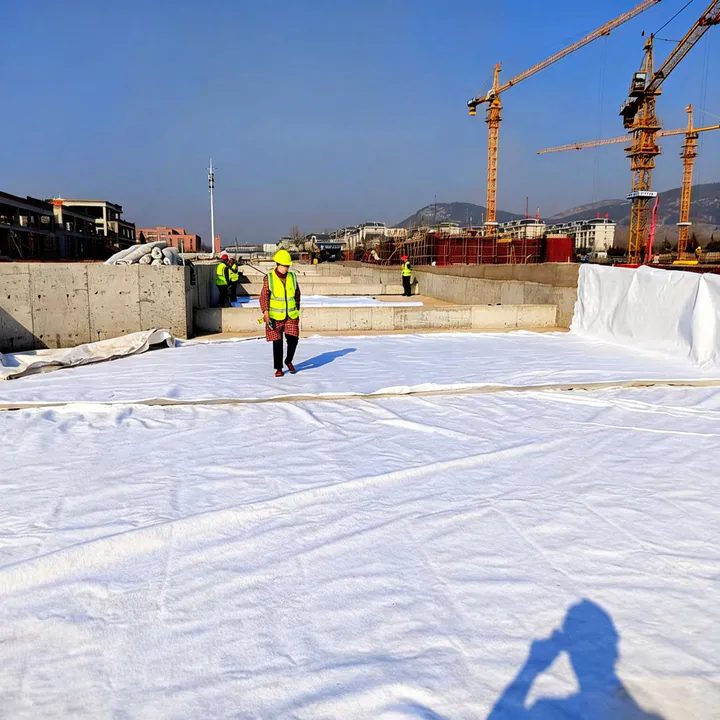
The four functions of water, solids, filters and surface layer protection are to break down and solve the problem of purchasing the wrong materials, which are close to the name.
Read article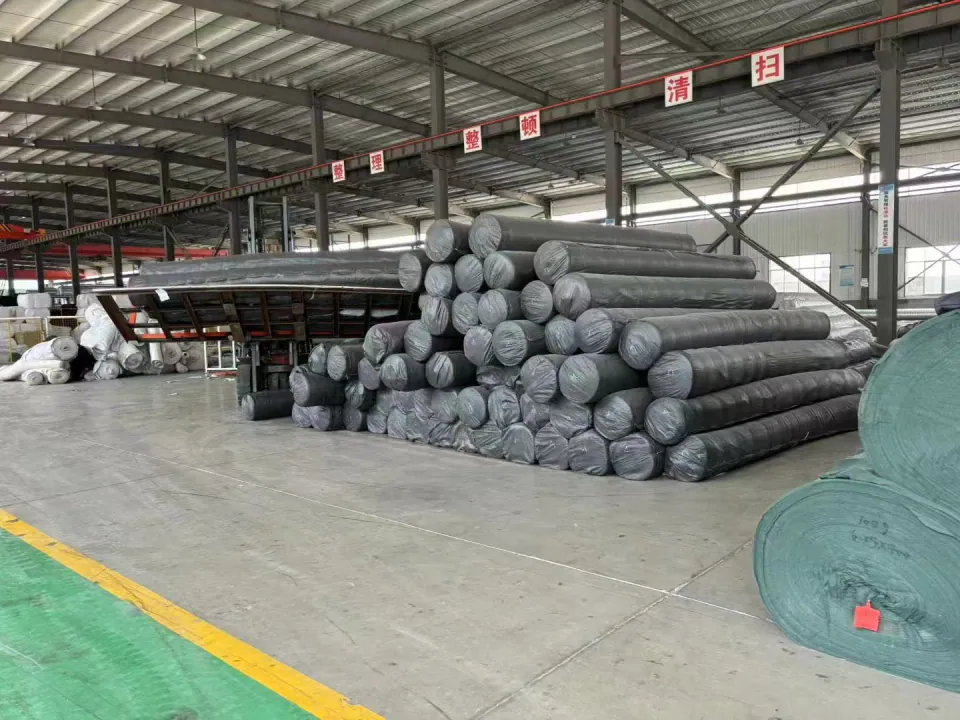
To solve the typical problem of a country that has passed the national mark but cannot accept the national mark, unified products, test methods and document versions.
Read article
Review the standard edition, product classification, test methods and acceptance wording instead of simply replacing the year in an old specification.
Read article
The new version has been implemented in November 2025, and procurement documents should be updated for standard years and verified for classification, raw materials, testing and identification.
Read article
The current version is the 2023 version; the input acceptance table is based on specification identification, strength, length, CBR puncture, perforation and penetration indicators.
Read article
The results of the test are linked to ambient temperature, membrane surface temperature, wind speed, and the result of the test, reducing the winter frost and cracking.
Read article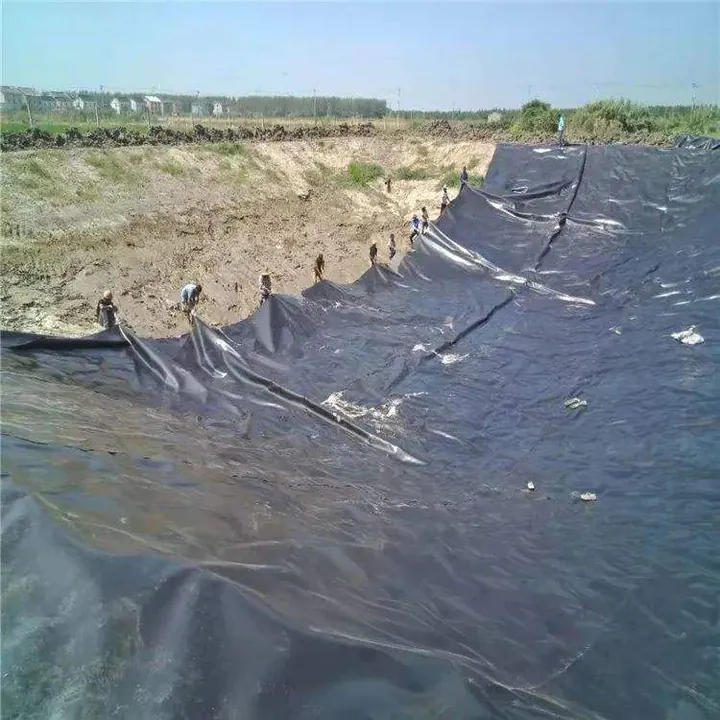
The most common problem of the bottom layer of the drums, which is most likely to cause piercing, hanging and lifting, is to be dealt with before the rolling material enters the room.
Read article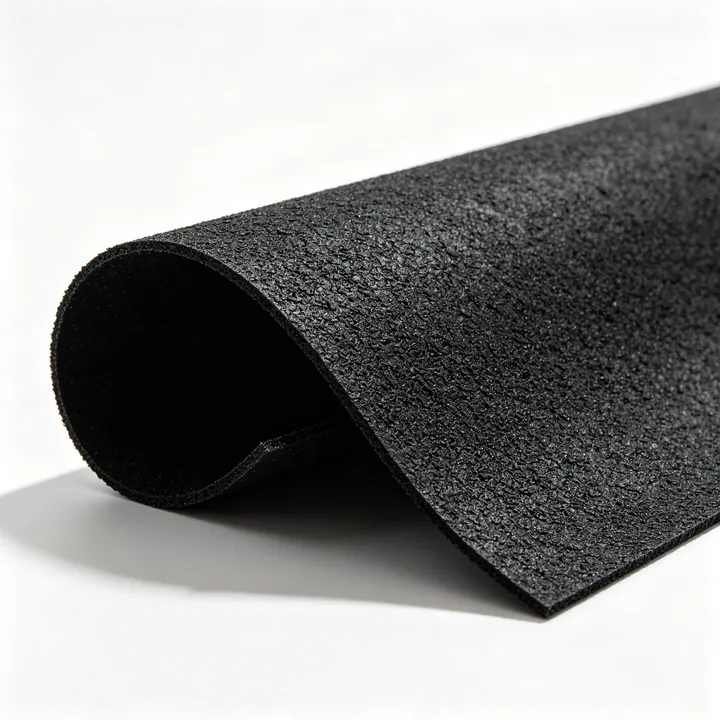
The process is selected according to the type, location and pollution of the defects and the quality record is verifiable.
Read article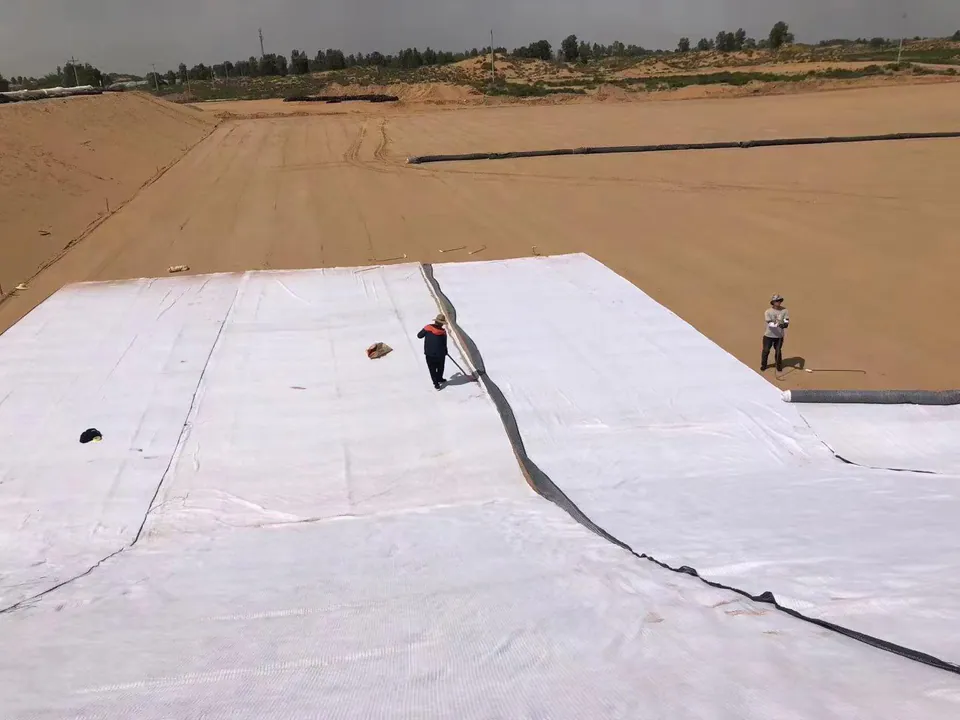
Ensure that the water core is continuously filtered, the soil is completely filtered, and the soil is not compressed or blocked until it is covered.
Read article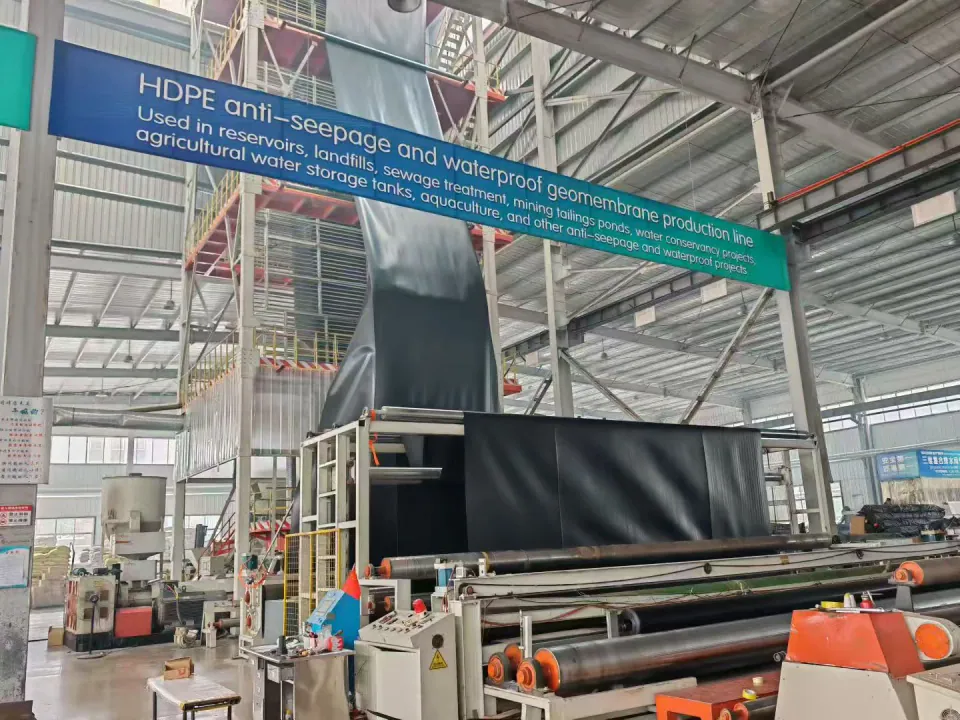
For combined geomembrane, geotextile and geogrid orders, freeze each specification and the required readiness date before confirming loading.
Read article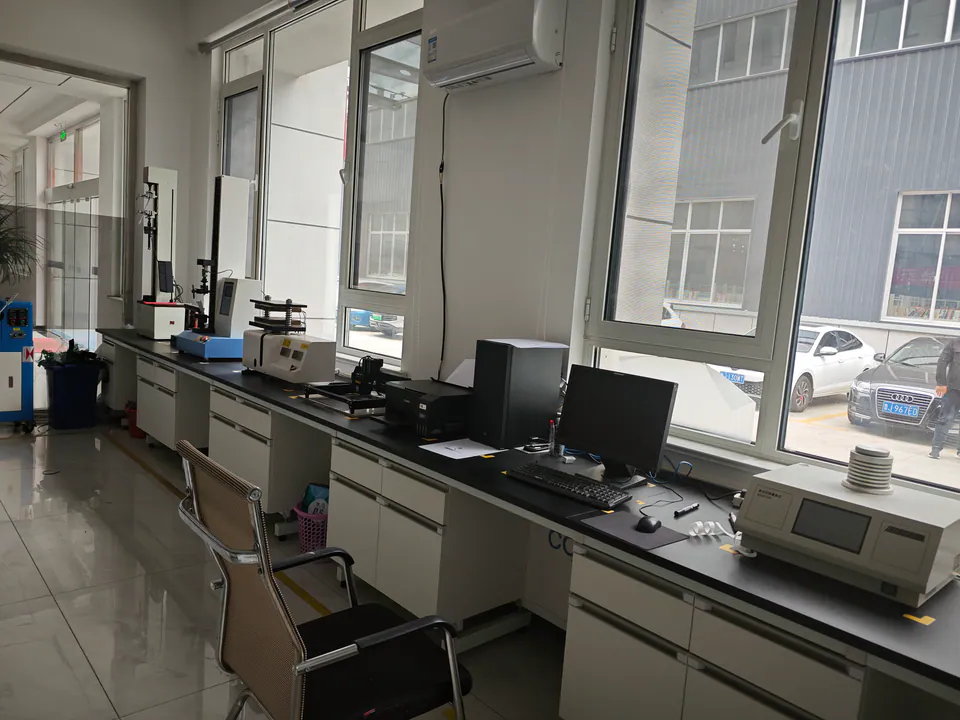
The first is to determine who is taking the test, where it is taken, what is being measured, how to fail, and to avoid being unable to ship after receiving the report.
Read article
The report is numbered, the test method, the sample direction and the data discrete identification set, the error method and the selective presentation.
Read article
The three-tier matrix management certification, testing and clearance information is used by the National Regulations + Target Guidelines + Buyer Folders.
Read article
The cost of materials, welding, testing, return to work, discontinuation and environmental responsibility is included in the same cost table.
Read article
The slope, surface material, soil thickness and construction period stability are all taken together to avoid slopes being flattened with a single button.
Read article
From the net paving area estimate, purchase area, volume and number of connections, avoiding only by road length x width leakage.
Read article
Middle East and tropical projects should review resin, stabilisation, carbon-black dispersion, chemical exposure, welding conditions and the cover programme.
Read article
The sun protection is based on the stability of the material, surface temperature and exposure cycle, rather than just the color.
Read article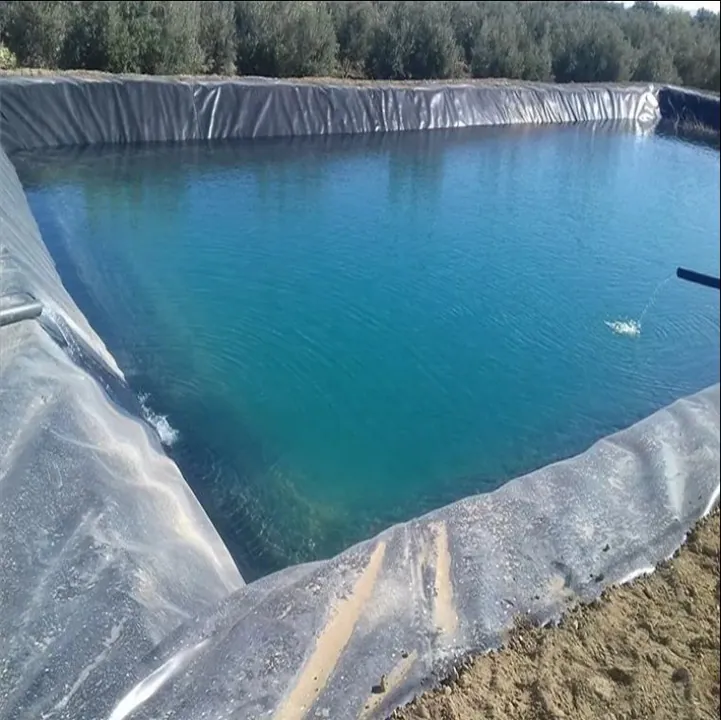
First, eliminate evaporation and piping, and then select the positioning method according to the pool conditions, reducing blind digging.
Read article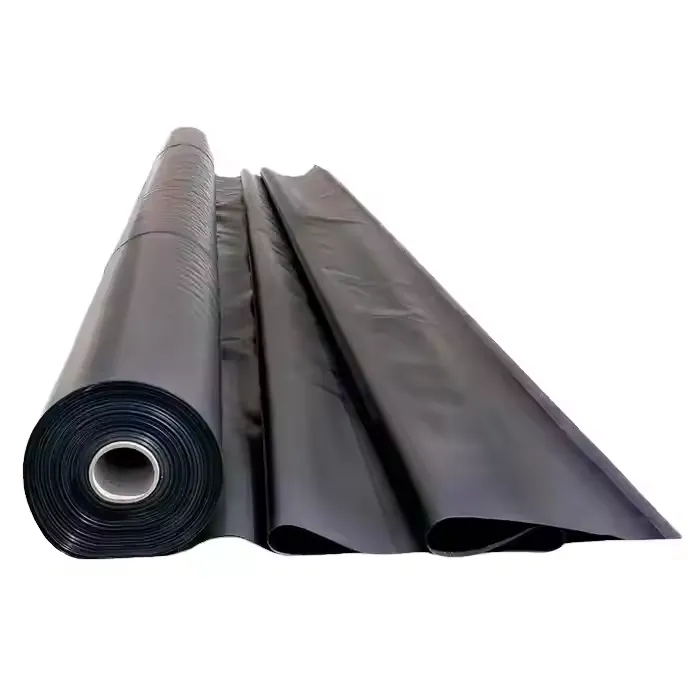
The first step is to provide a sample, batch, test method and re-test mechanism, and to process the dispute in a chain of evidence.
Read article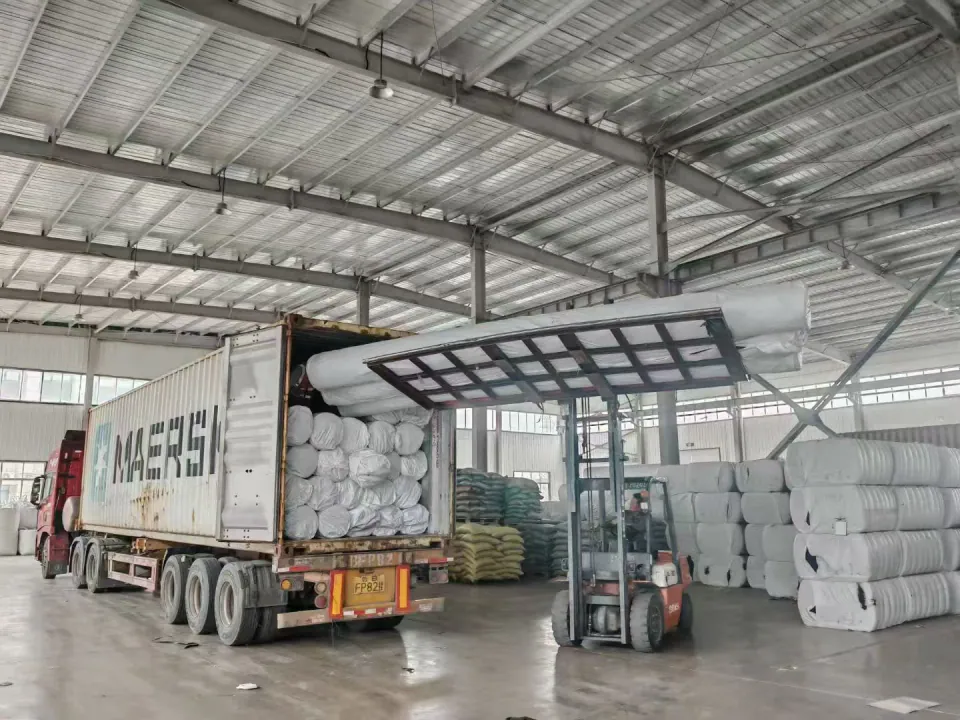
Cross-check specification, quantity, packaging and documents before loading to catch wrong labels, shortages and record conflicts while correction is still practical.
Read article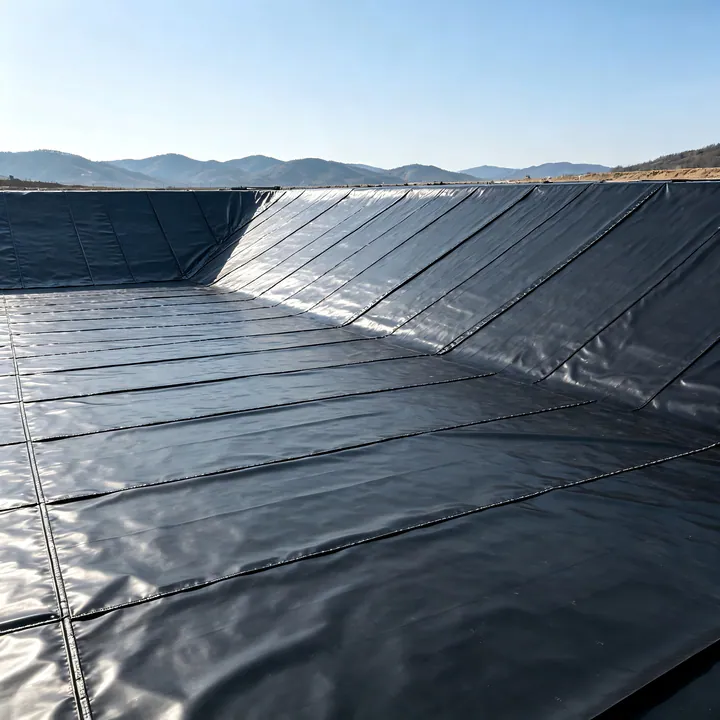
The initial survey area is given according to the medium, the base layer, the soil cover and the design life and the specifications for when the upgrades must be made.
Read article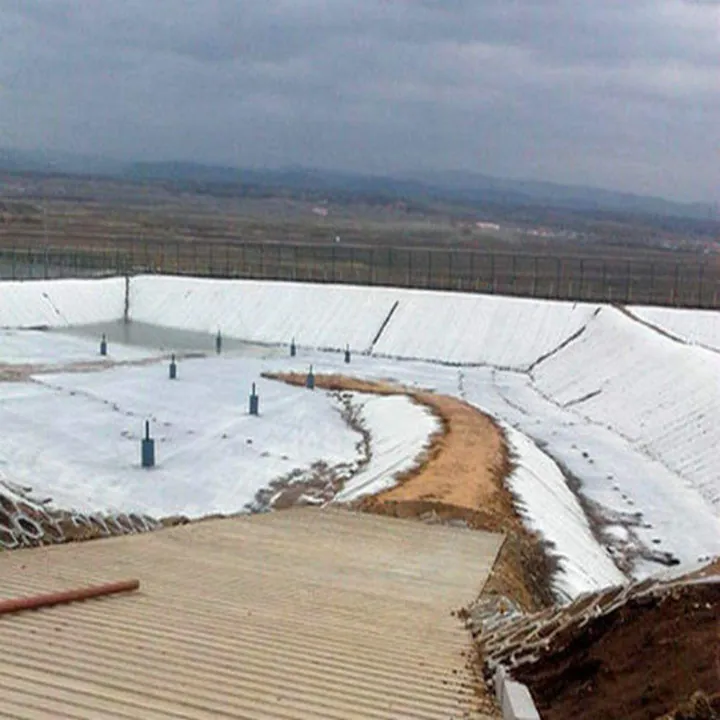
A compliant geomembrane does not make a compliant lining system. Review interfaces between membrane, geotextile, GCL, drainage layers and penetrations.
Read article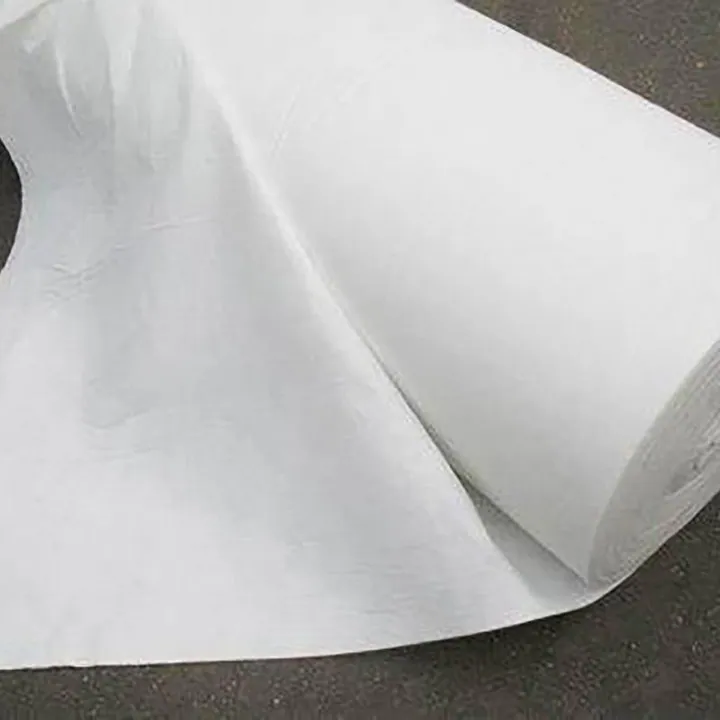
The results of the study were based on the filtration perforations, water permeability, resistance to drag and construction activity, rather than just the weight per square meter.
Read article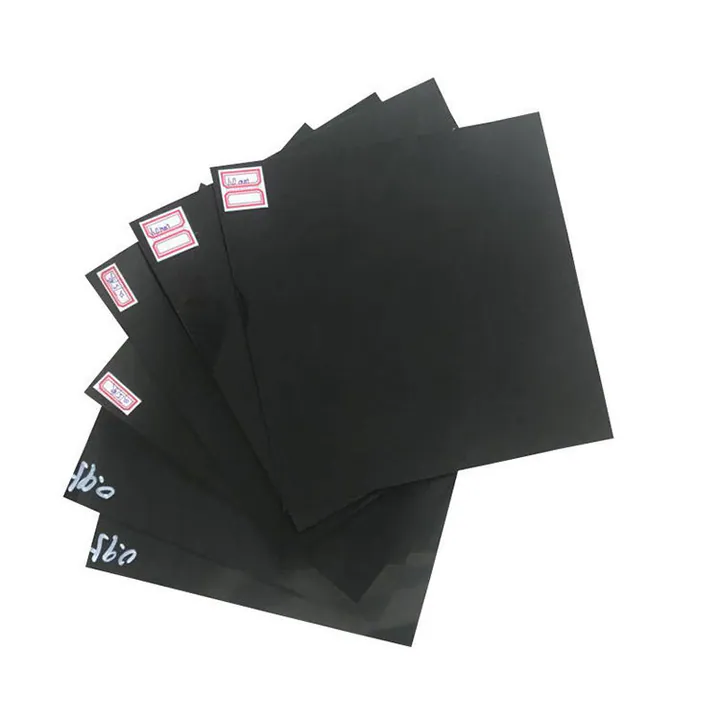
A sample represents defined characteristics—not an open-ended promise. Combine a retained sample, written specification and batch testing to control bulk variation.
Read article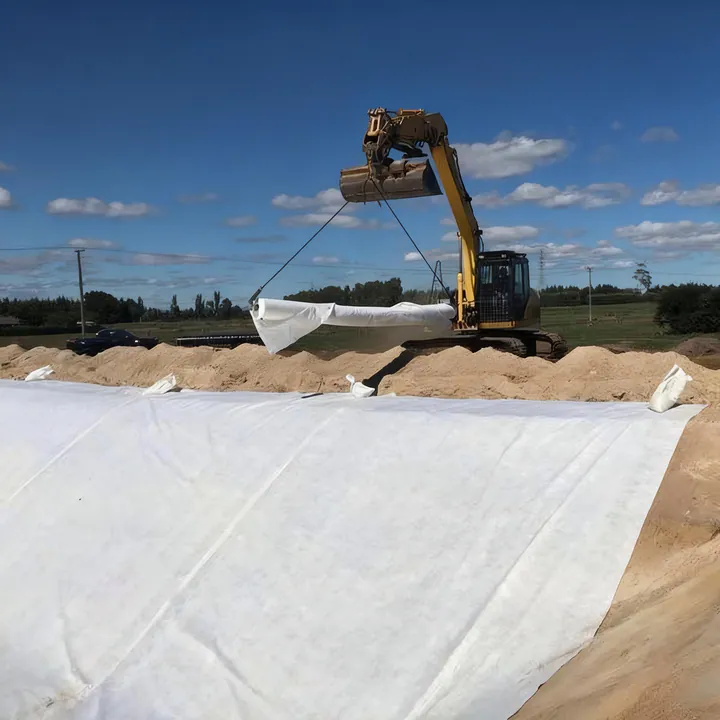
Break the inspection plan into document review, representative sampling, laboratory testing, packing checks and loading surveillance.
Read article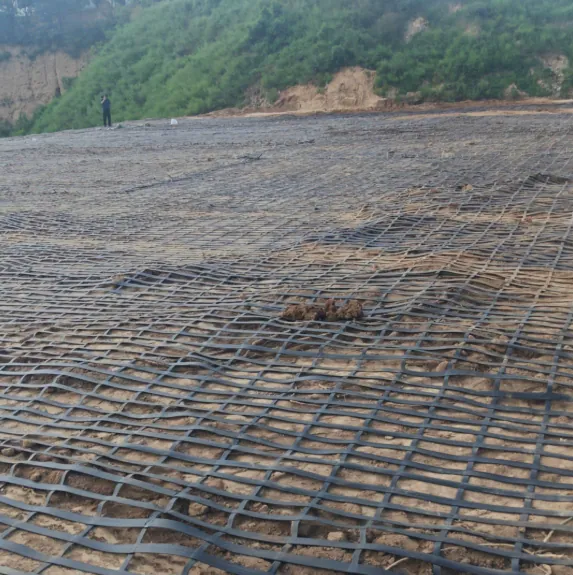
The four types of grids are classified according to the strengthening of the object, the long-term load, the temperature and the construction layer, reducing the model mismatch.
Read article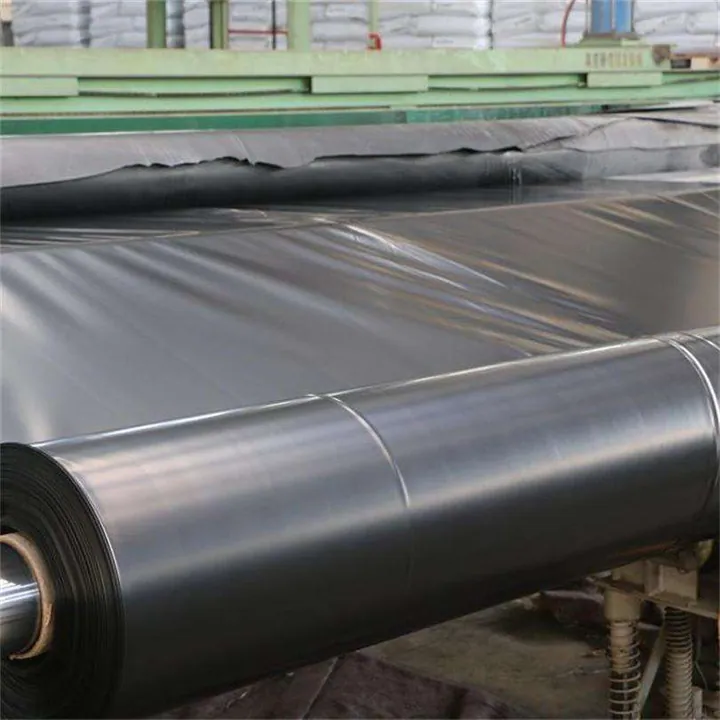
Fewer field seams are only one objective. Confirm transport, unloading, lifting and deployment capacity before approving a wider roll.
Read article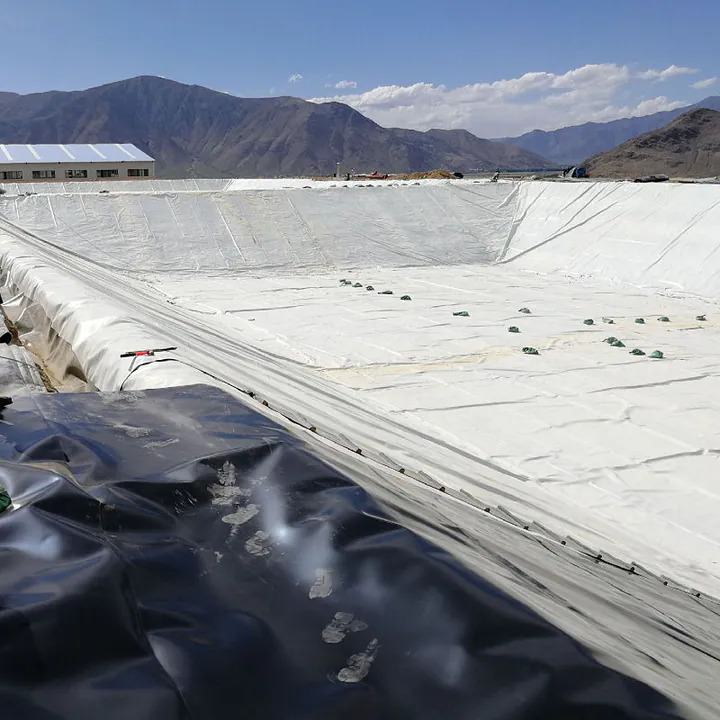
The more waterfall is avoided, the better the composite structure is selected depending on the direction of protection, the method of welding and the roughness of the base.
Read article
Sheets with similar colour and thickness can differ materially in stress-crack resistance, oxidation stability, weldability and long-term durability.
Read article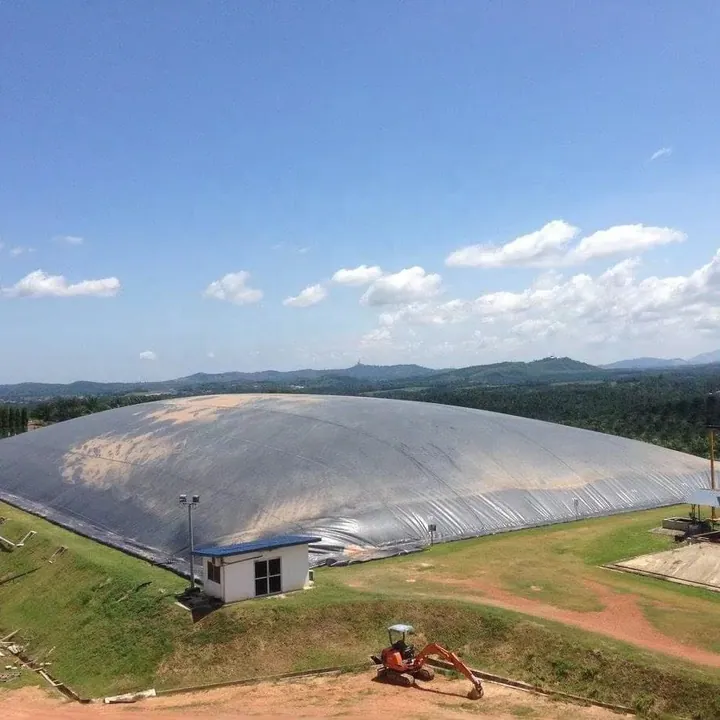
Long-term UV exposure, rolling surface temperature, storage and sealing windows are included in the model, reducing heat aging and construction uncontrollability.
Read article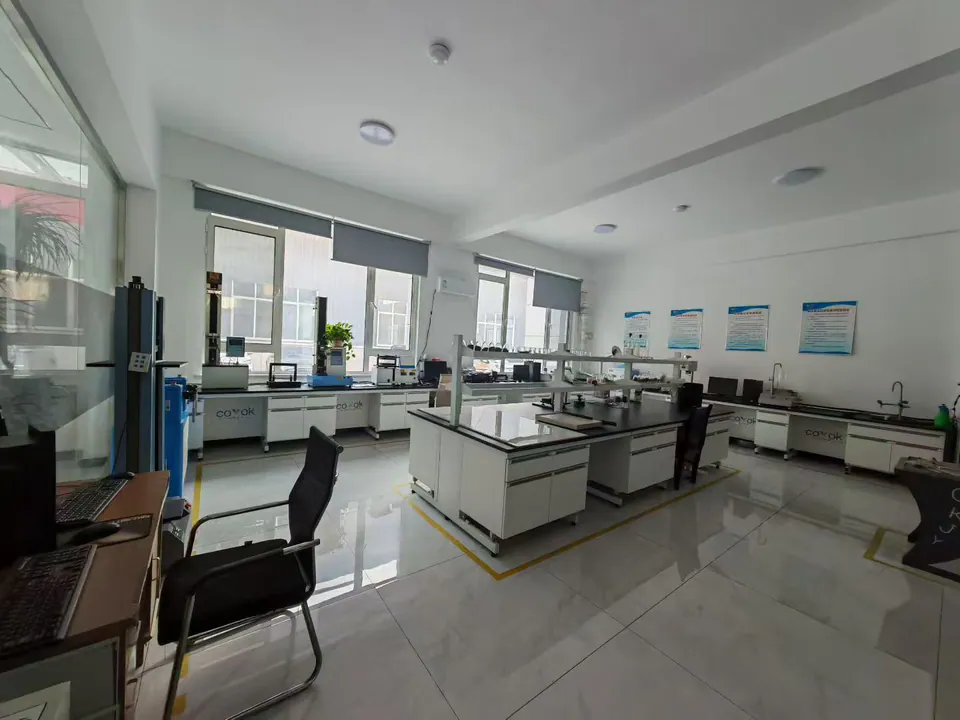
A certificate is only the starting point. Useful delivery records connect specifications, test results, lot ranges and physical roll identification.
Read article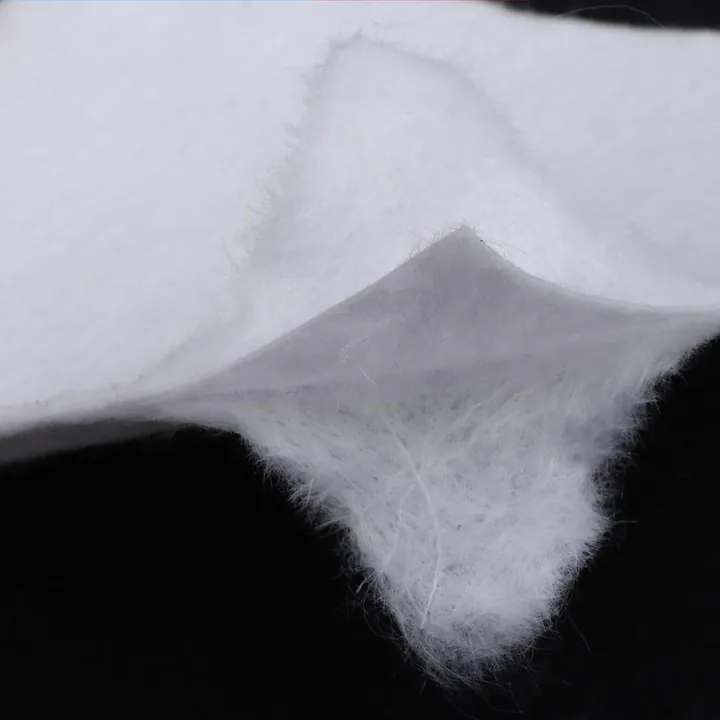
Mass per unit area is not a filtration design parameter. Opening size, permeability, soil gradation and hydraulic conditions must be evaluated together.
Read article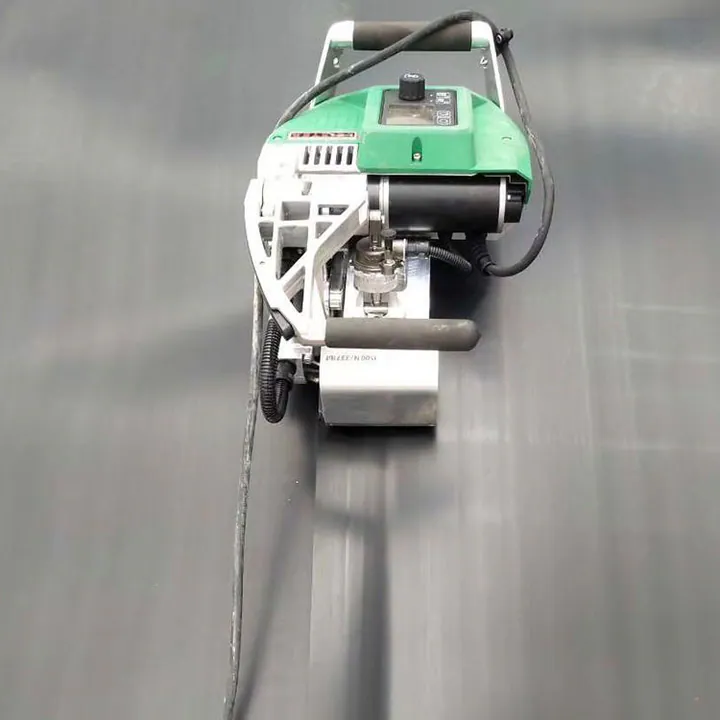
The test tube is used to lock the temperature, speed and pressure and to form a closed loop record of the two-track tube, the extrusion tube, the test tube and the correction tube.
Read article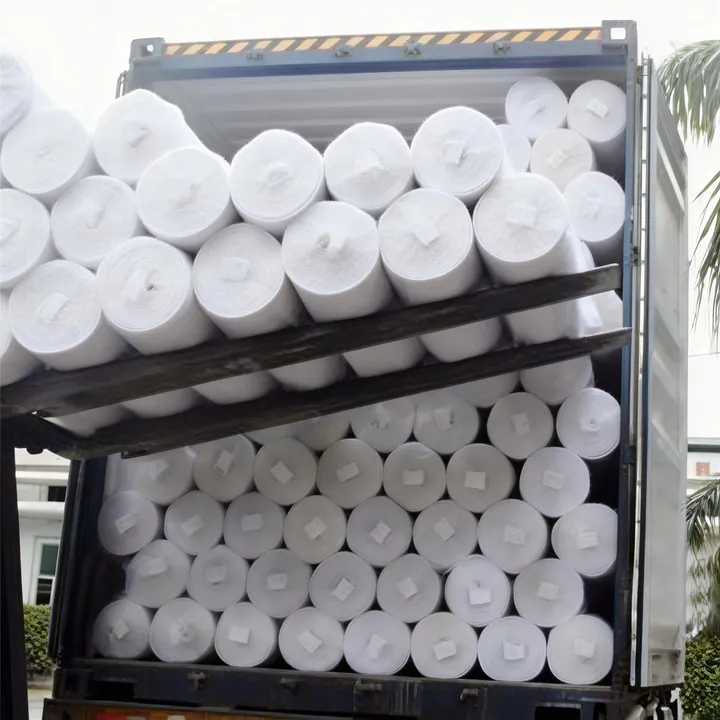
Different rolls have different moisture, pressure and abrasion risks. Match the packing plan to the voyage, handling method and destination storage conditions.
Read article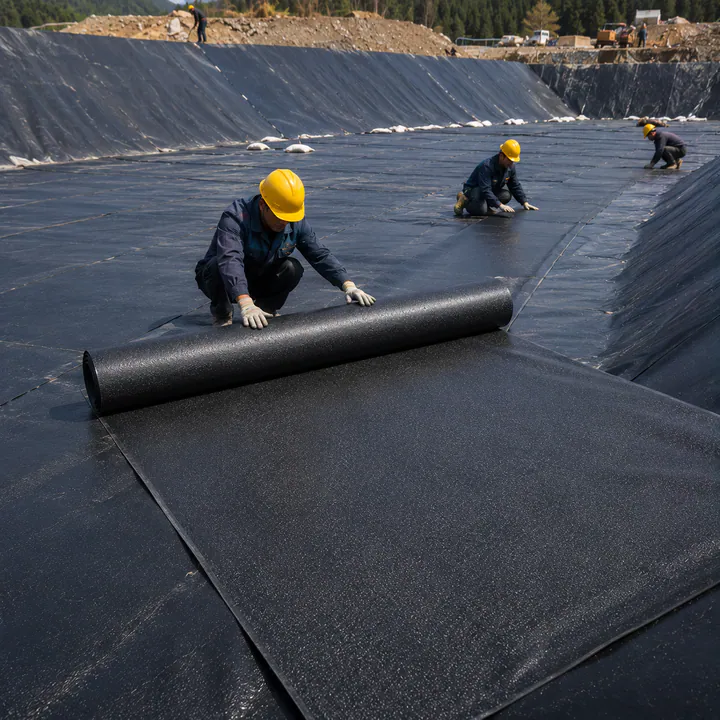
The three-dimensional nodes are controlled by pre-sanctioned plates, rounded corners, tubes and squeeze pads to avoid stacking multiple layers of dead ends at the corners.
Read article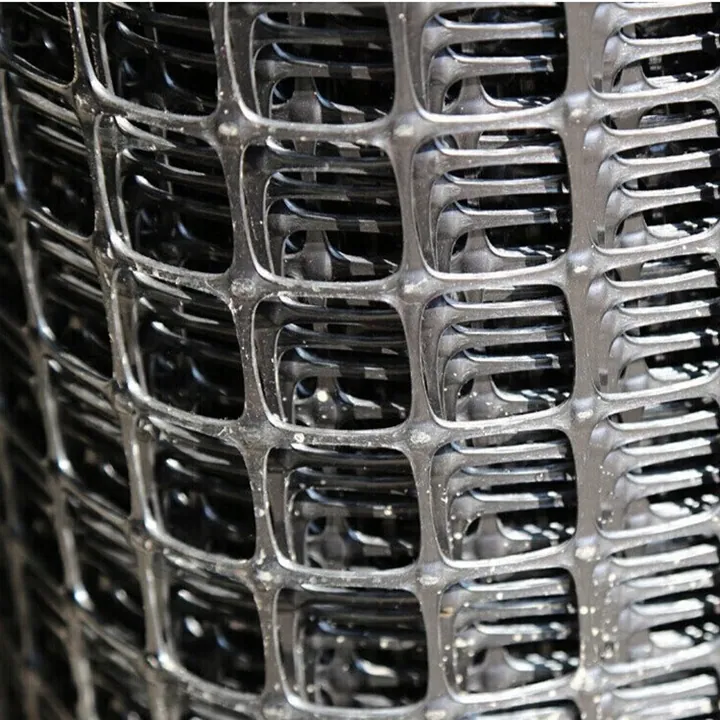
Creep, installation damage, environmental durability and connection efficiency reduce short-term tensile capacity to a long-term design value.
Read article
Clear application, geometry, standard, quantity and delivery information produces a specification and price that can be compared against the real project.
Read article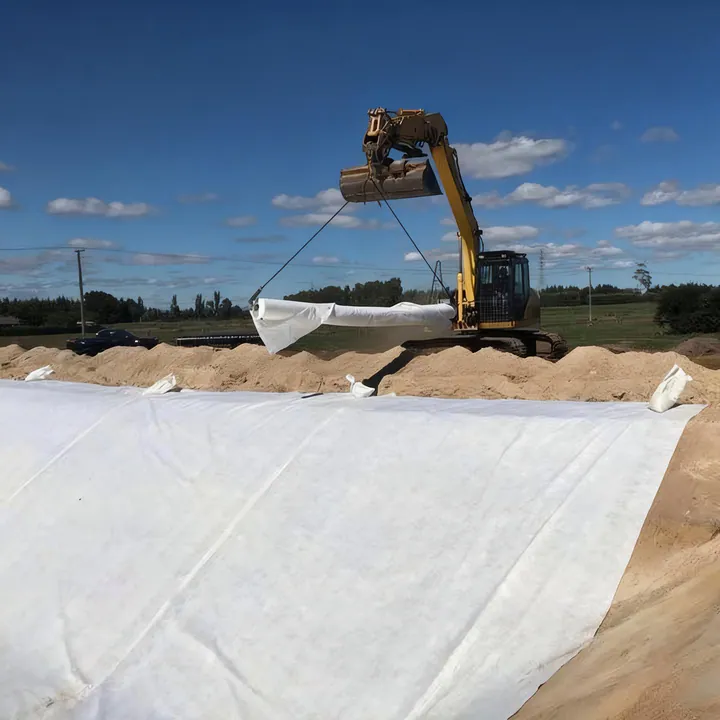
The alignment, bonding and temporary fixation of the base layer is determined by the level of the ground, the flow direction, the wind and the ground cover, to prevent the edges and openings of the curve.
Read article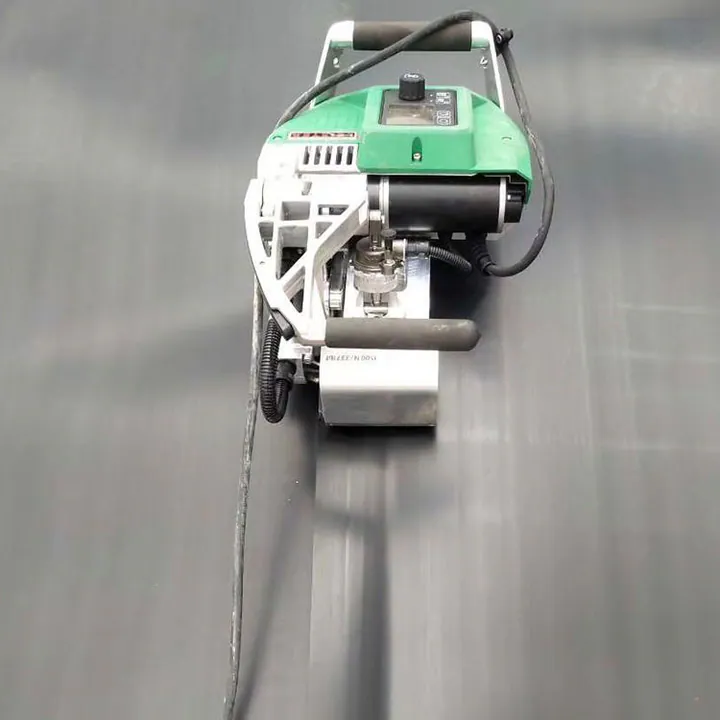
Seam testing and whole-liner integrity surveys answer different questions. High-consequence projects should preserve testable conditions from design onward.
Read article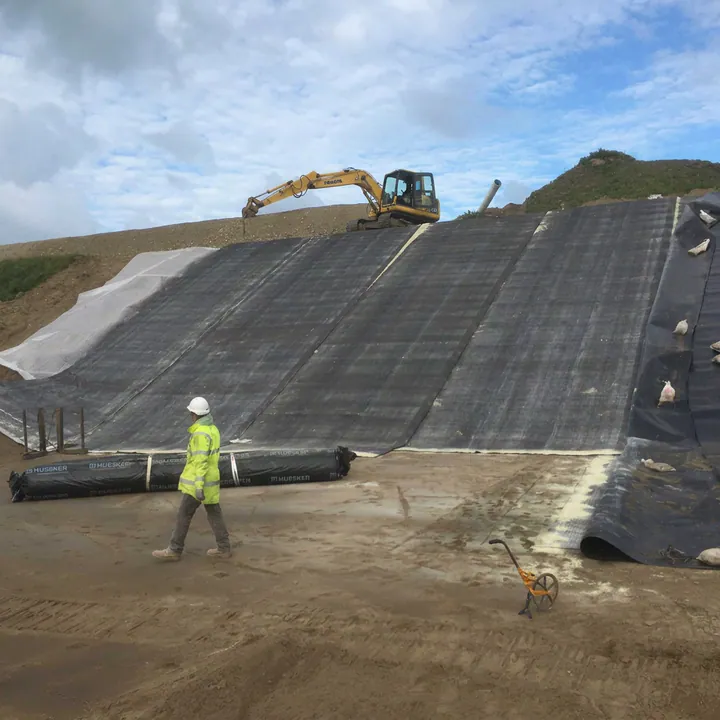
The slope is rigid, vertical, and temporary loading and subdivision controls the descent from the top of the slope, without the use of dangerous slopes.
Read article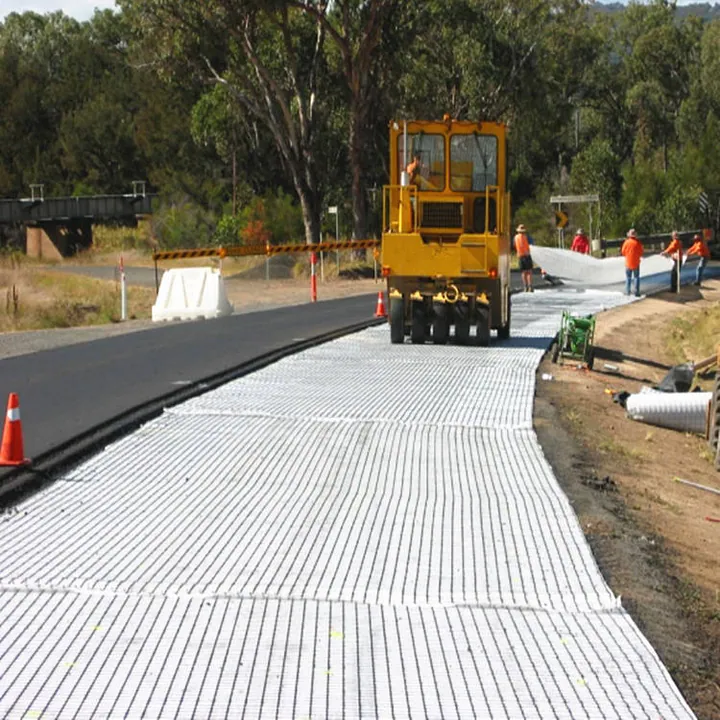
The following steps are taken to ensure that the pressure is not reduced:
Read article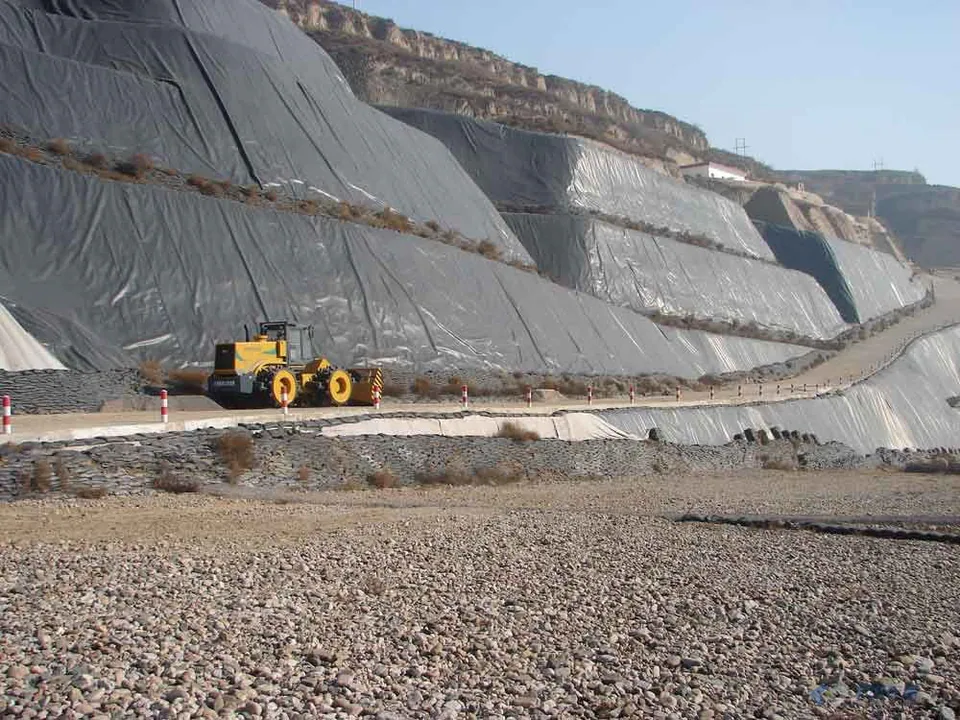
The application of the pressure-sensitive solid-state earth/GCL, HDPE film, protective geotextile and silicon-based conduction layer, is accepted by the interface and transferred layer by layer.
Read article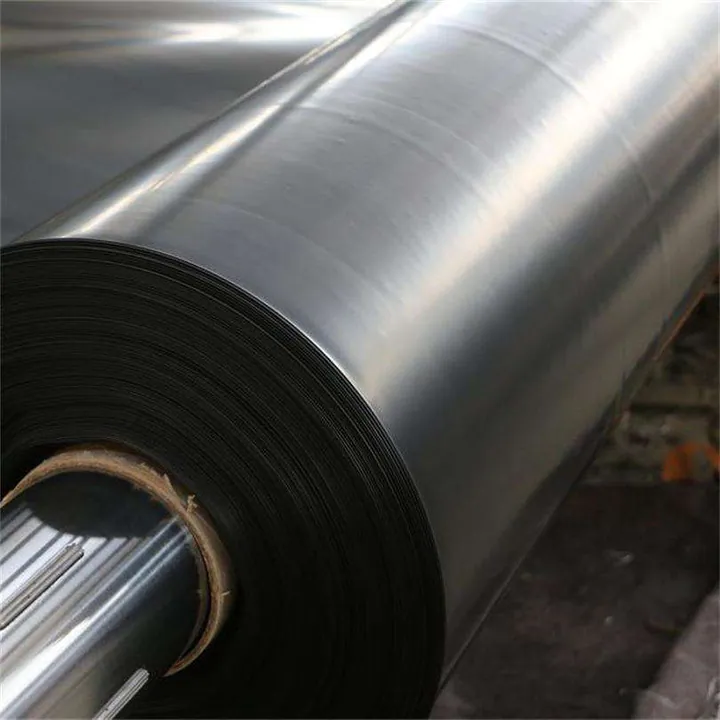
The thickness-grade checks for density, stretch, tear, piercing, carbon black, OIT and stress resistance cracking, not to be labelled as GM13 aluminum.
Read article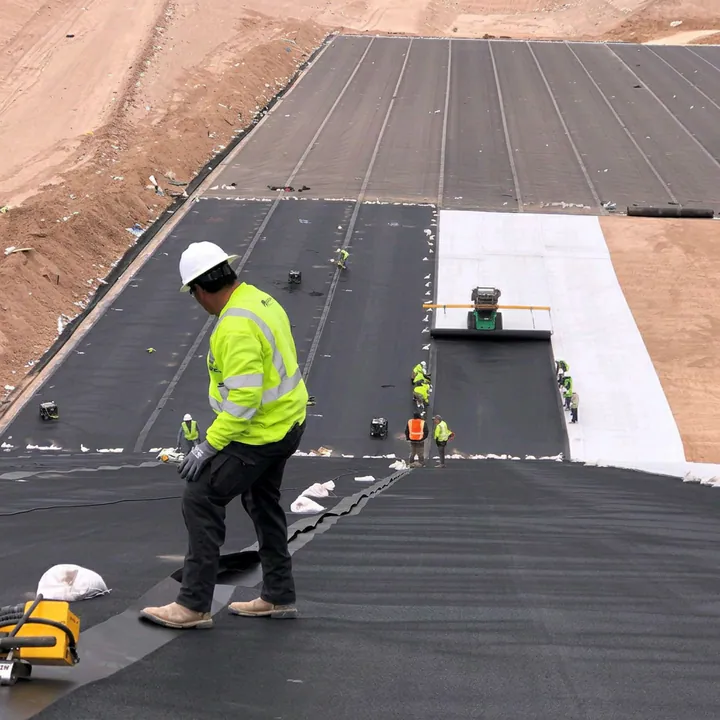
Distinguish non-destructive seam testing from destructive sampling, record seam identification, repair defects and complete the retesting close-out.
Read article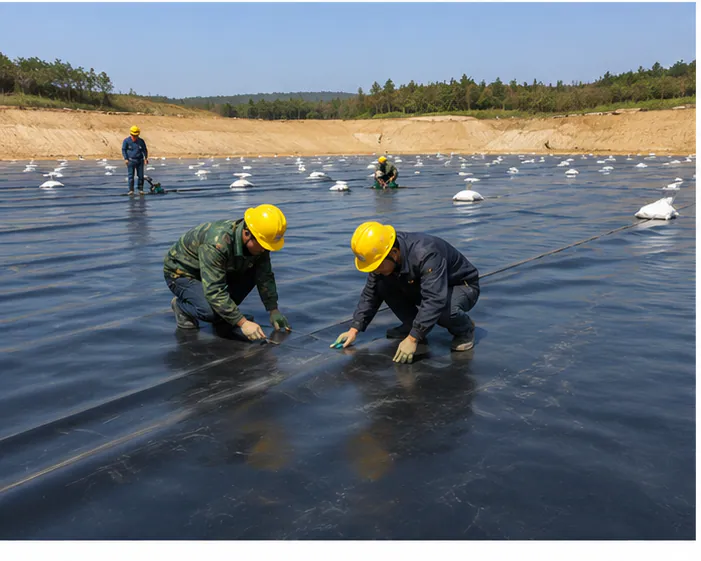
The first step is to transfer the batch of materials, the base layer, the layout, the test, the repair and the coverage.
Read article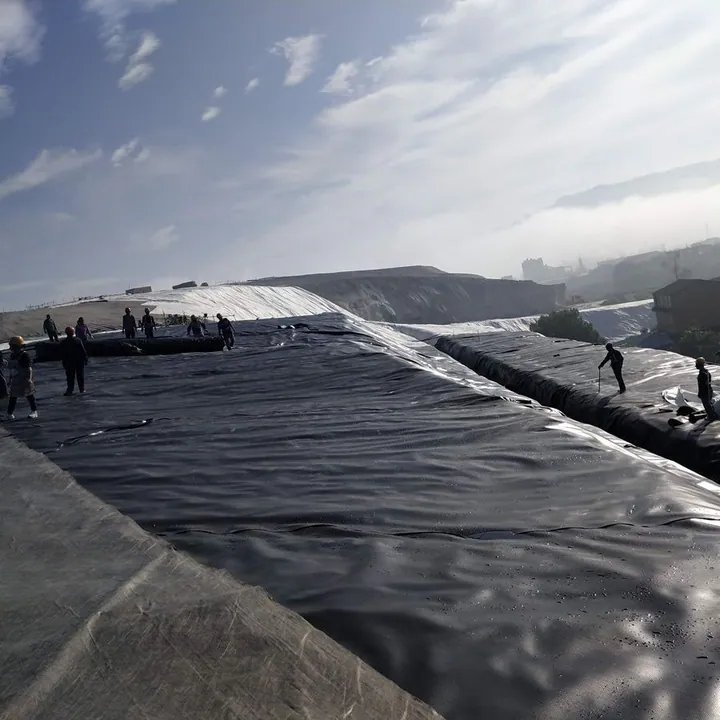
The calculations of the attachment, hardening, shape-shifting, test-cutting and modification will be done to avoid covering the entire risk with a vague percentage.
Read article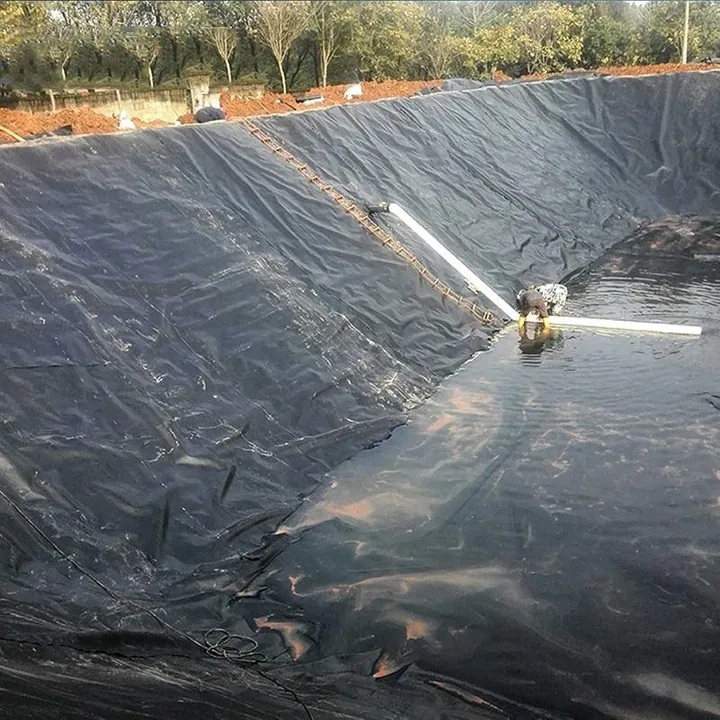
The actual slope, platform, rigidity and loss of the pool base, the slope, and the weight are used to calculate the volume and weight of the purchase area.
Read article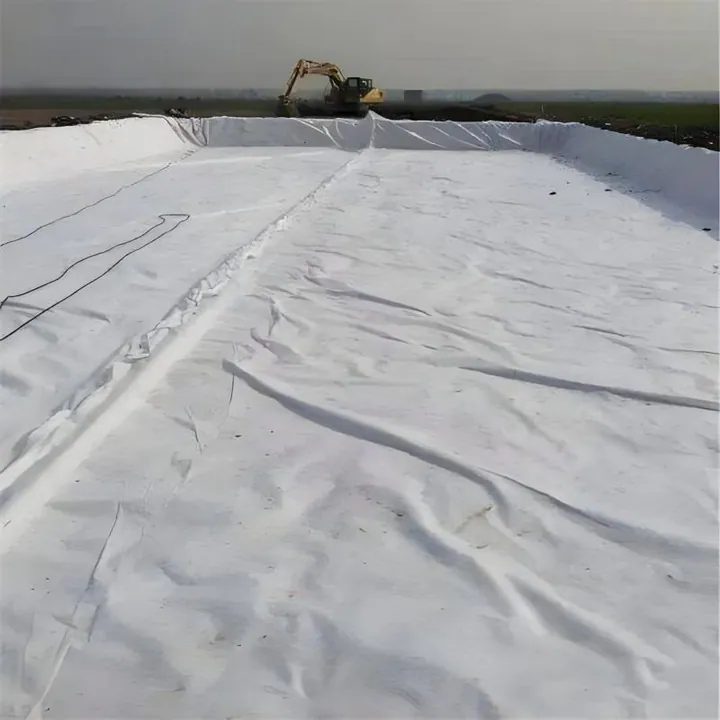
Systematic comparisons between geomembrane thickness, underlying treatment, protection of fabric and soil-cover construction to avoid the overall cost increase of single minimum prices.
Read article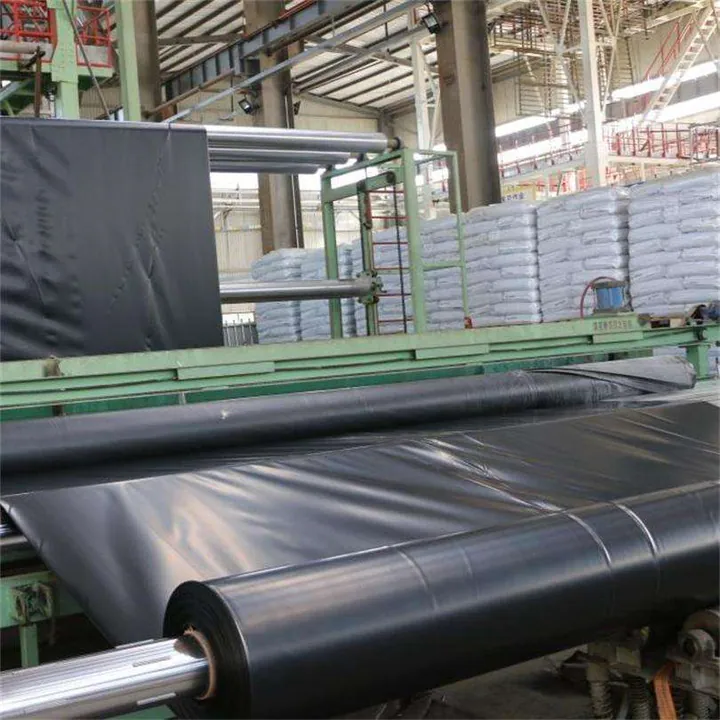
Capacity is useful only when specifications, line allocation, inspection, packing and container readiness are coordinated around the buyer’s required date.
Read article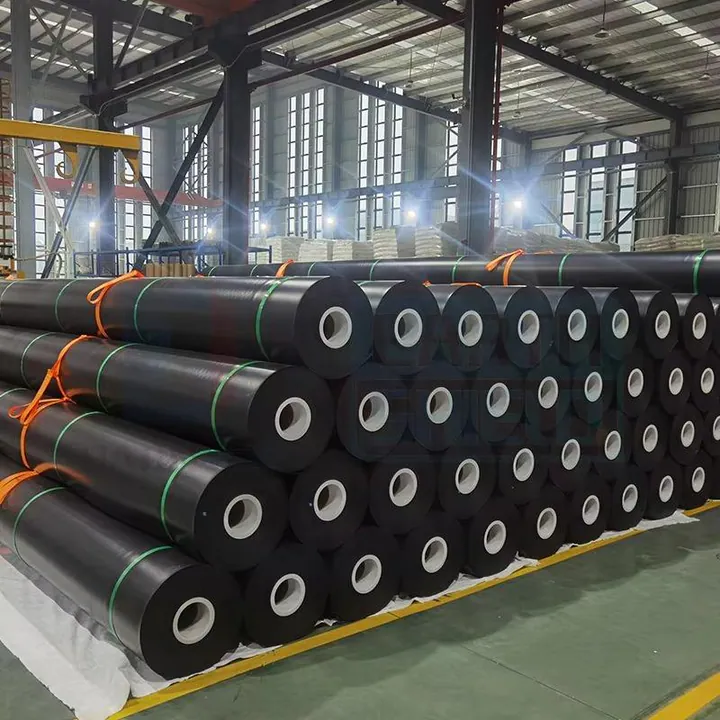
The cost of materials, packaging, inland transportation, shipping, port of destination and available area is unified into the cost per square meter to shore.
Read article
The following are the types of contamination, parametric disconnection, cross-linking, extrusion milling and subsequent mechanical damage.
Read article
The drumstick is used to determine whether groundwater, gas, and groundwater are precipitated or are caused by low temperatures, and then to select the conduction, overloading or local weighting.
Read article
The sample size, perforation, penetration gradient, clogging and construction contamination are all judged by mechanical clogging, chemical deposition or biofilm.
Read article
The project is designed to clean up, protect geotextile, isolate the roots, cover soil construction and run patrol to form a risk control chain that penetrates the soil.
Read article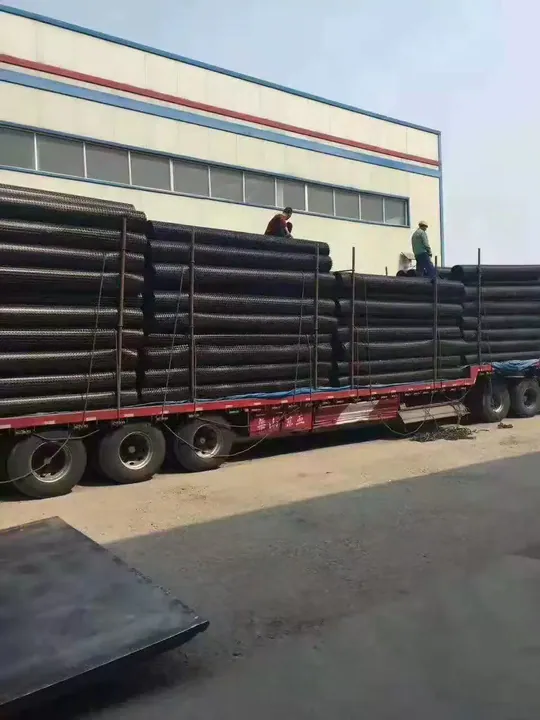
To manage trade certificates, product batch documents and project technical documents, reduce clearance and on-site acceptance of defects.
Read article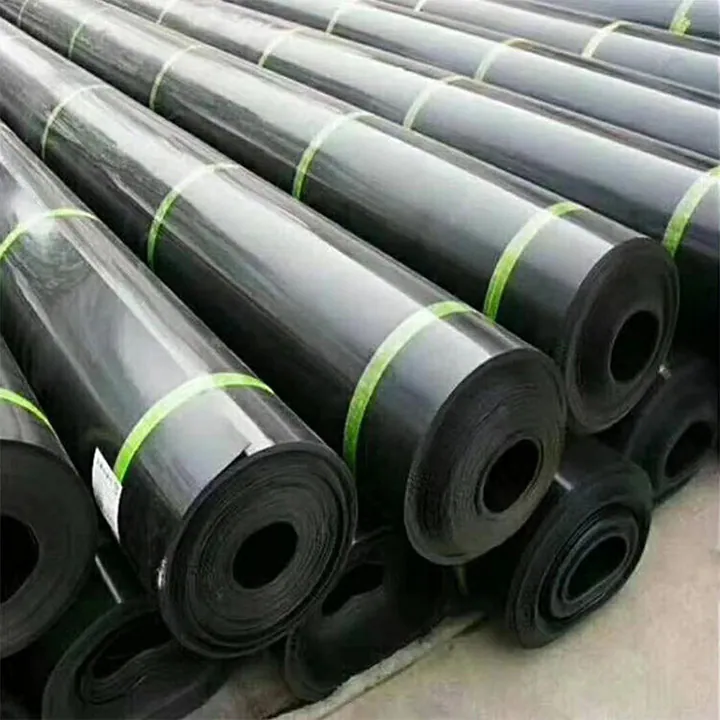
The container is designed according to the roll diameter, roll weight, roll core, number of layers and purpose of port unloading equipment to avoid the collapse of the coil core and membrane damage to the shore.
Read article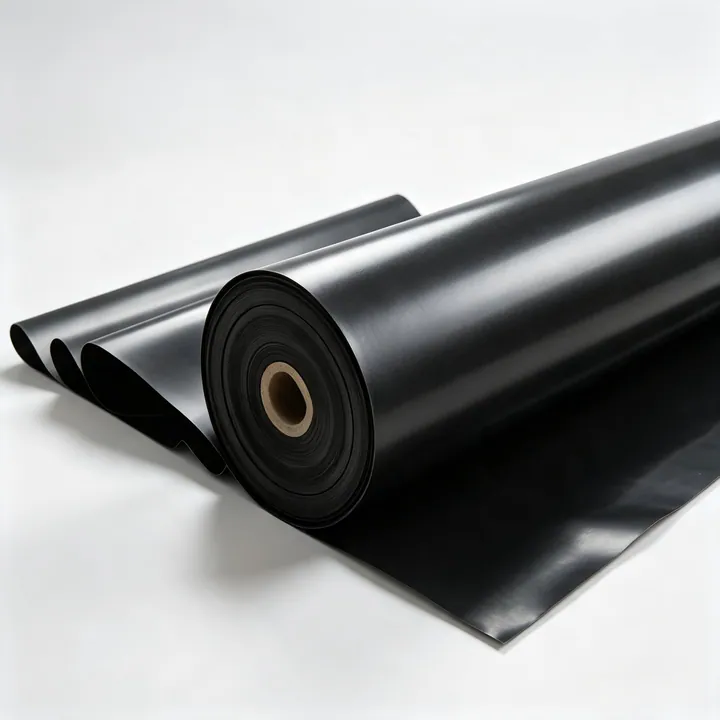
To establish traceability of small samples, confirmation samples, third party testing samples and mass production batches, to avoid the validity of the sample and the dispute over the goods.
Read article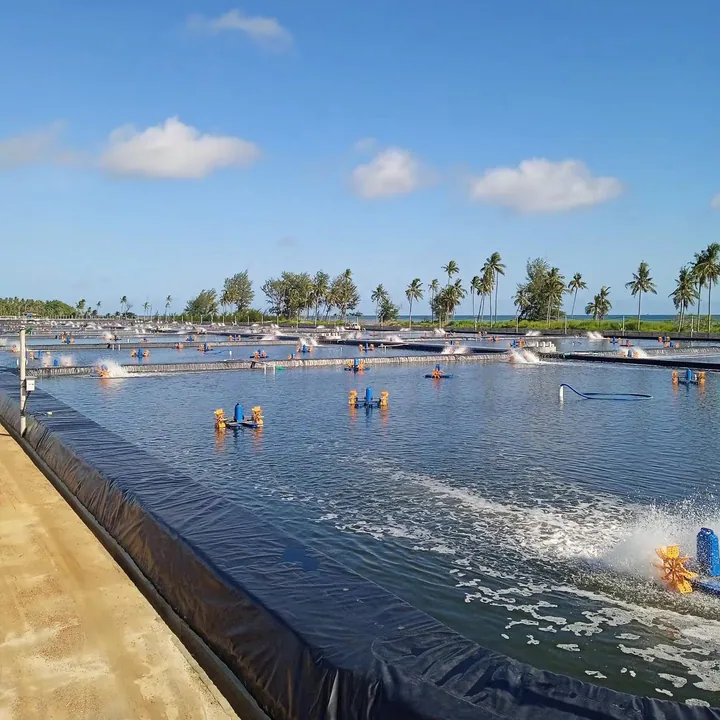
The area is submerged by the bottom, slope, platform, solidification and loss, quickly obtained by volume, length and theoretical weight.
Read article
Unified 1: The expression of slope versus slope, percentage slope, angle slope, and the inclusion of interfacing materials and soil conditions in the primary selection.
Read article
These products solve different problems. Compare barrier mechanism, subgrade, confinement, hydration and long-term exposure before specifying either system.
Read article
International buyers are placing greater weight on traceability, system compatibility, verifiable testing, delivery planning and total installed risk.
Read article
A named standard is not enough. Buyers need the correct edition, property table, test methods, lot frequency, identification and release documents.
Read article
Wide panels can reduce field seams, but folding geometry, package mass, unloading access and deployment control must be agreed before manufacture.
Read articleNo matching items.
Tell us your application and required quantity—our team will reply within one business day.