
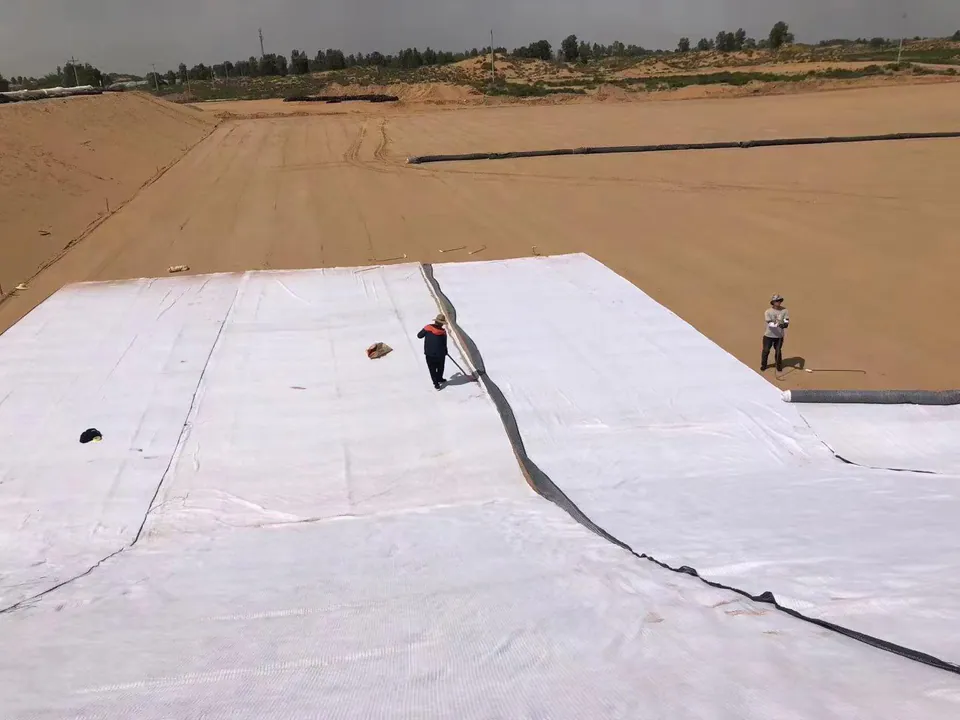
Construction lessons
Procurement and Acceptance Checklists
| The checkpoint | Control requirements | Delivery of evidence |
|---|---|---|
| Core network connection | Continuous coupled, uninterrupted flow | Hidden photos |
| The clay cloth is attached | The width is designed to be clean and clean. | The record is being checked |
| Exporting nodes | Fixed, Feedback, Reverse Flow, Checkable | Nodule acceptance |
Construction lessons
Common risks and addressing them
- Vehicle directly pressurizedPermanent compression of the core causes a decrease in the water conductivity.
- The substrate enters the mold from the picklingThe building is now closed and difficult to repair.
Construction lessons
Steps to landing
- Line to determine flowThe newly built section is being built from low-level exits upstream.
- Connecting the core and the layerThe first is to avoid the overlap of the core into a local bump.
- Filling up the layersThe minimum coverage thickness and equipment route are specified.
Construction lessons
Customer pain points and project conclusions
The acceptance focus of the combined drainage layer is on continuous waterways rather than surface flatness. The direction of the laying should be in the direction of the drainage, the core network connection must not form a rupture, the geotextile is attached to prevent the entry of fine materials; mechanical walking and concentrated stacking must be controlled, the drainage exits must be set for feedback, fixed and repair conditions.