
Construction lessons
Key parameters and quick judgement tables
| Field conditions | The first selection of the method of cooking | Control the focus |
|---|---|---|
| The level of stability of the base | The first is the 300 mm. | Keeping the soil flat and covering it in time |
| Soft or uneven sedimentation | 300 mm or 500 mm or more | Keep the shape, avoid the tension |
| Underwater/Flowing water | Cage + load | The first is the "Flow-In-Flow" connection. |
| The winds of the sea | Sections extended + fixed | Sandbags, U-nails or tight holes |
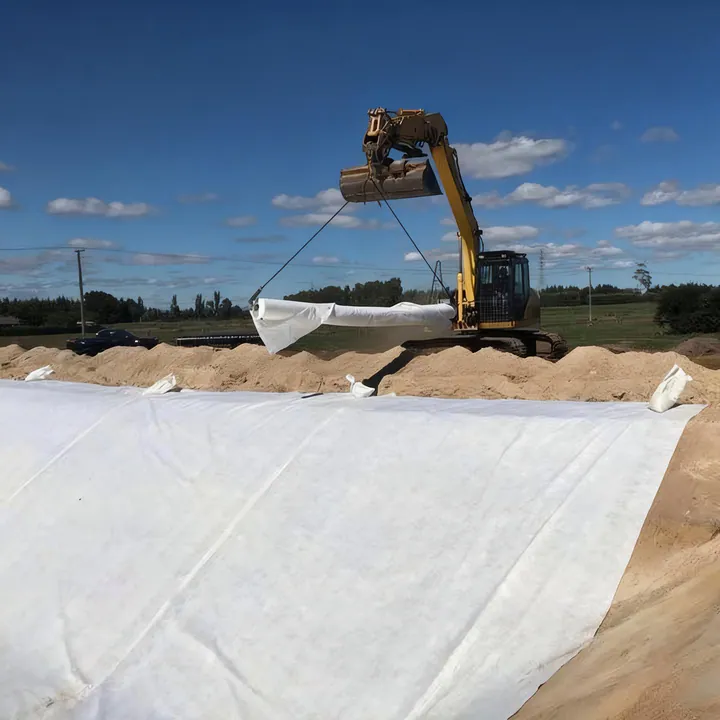
Construction lessons
Steps to landing
- Acceptance of the baselineThe first is to remove the stones, roots, water and soft traps.
- The order of the eventsThe water flow/fill direction is laid out according to the layout and the water flow/fill direction.
- Fixed connectorsThe method of attaching, fitting or hot-glue is consistent with the design.
- The controlled soilThe first stop is to allow the equipment to pass through.
Construction lessons
Acceptance points and common risks
- It's too tight.The remaining deposits are intact and easily tear up when they sink.
- The link is filled and sprayedThe direction of the soil cover should be forward from the fixed side.
- Damage not repairedThe filler at least covers the damage around it and is fixed according to the same type of fastener.
Construction lessons
Project judgments and procurement conclusions
Under flat-bottom and controlled ground cover conditions, smaller seals may be used; weak, upward, flowing water or high wind conditions should be increased and seals or fixed. 200 mm of concrete should be used only as a preliminary for consultation and construction planning under common engineering conditions, not a global standard; the final sealing method and size should be determined by project plans, ground conditions, the risk of construction damage and applicable regulations. When the flow direction is laid along the water, the upward flow pressure should be above the downstream; the downstream should be covered as soon as possible after the flooding, and vehicles should not be turned directly on bare cloths.