
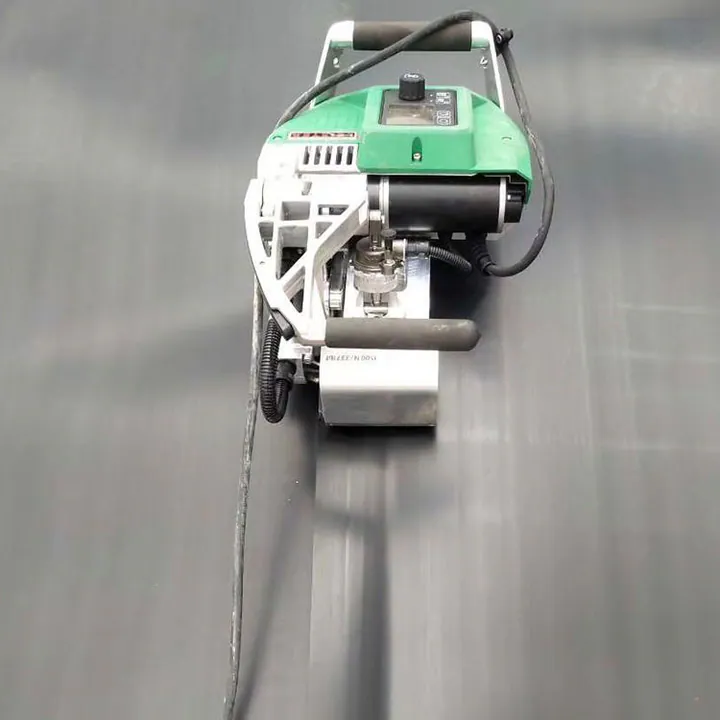
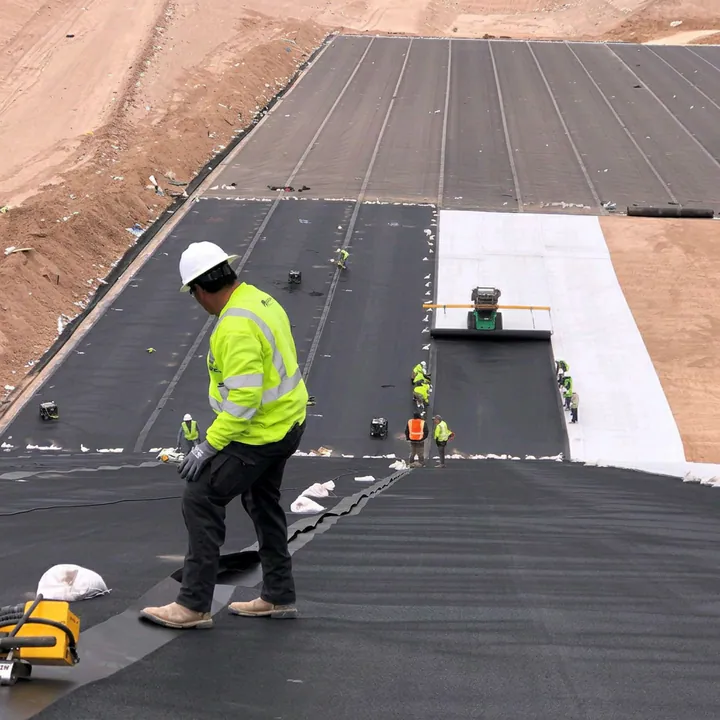
Air-channel, vacuum-box and destructive tests verify seam quality, but punctures can also occur in panel areas or during cover placement. The need for an integrity survey depends on consequence, liner-system geometry and project requirements.
Separate seam QC from liner integrity
Seam tests verify continuity and strength at joins. Integrity surveys seek holes or leak paths across the installed barrier. The two controls complement rather than replace each other.
Plan earlier for high-consequence facilities
Landfills, chemical ponds, tailings facilities and difficult-to-repair reservoirs may justify additional integrity controls subject to design and regulatory requirements.
Close the repair loop
Define defect location, repair method, retest, coordinates and as-built records. Detection without controlled repair and release does not deliver acceptance.
Project action list
What the procurement or project team should do next
Have the designer or CQA team define the objective
Confirm method compatibility before installation
Reserve programme time for repair and retest
Include results in the final quality dossier