
Selection Guides
Risks and controls
- Inadequate service-temperature assessmentReview long-term properties under the actual exposure.
- Extended uncovered storageProtect packaging, roll cores and material surfaces.
- Changing welding conditionsRepeat trial verification when sheet temperature or other significant conditions change.
Selection Guides
Project assessment
Define ambient, sheet-surface, contained-fluid and transport temperatures separately. For buried HDPE, review applicable OIT, carbon-black dispersion and stress-crack requirements. Permanently exposed systems also require a justified UV and thermal-ageing basis and wind restraint. Review polymer type and long-term design data for geotextiles and geogrids. Align storage, trial welding and protection with the actual exposure conditions. When investigating damage or reviewing protection measures, consult High-Temperature and UV Exposure: How to Protect Geomembrane from Premature Aging.
Selection Guides
Procurement and acceptance checklist
| Check | Control requirement | Evidence |
|---|---|---|
| UV exposure | Verify applicable stabilisation and retained-property requirements | Plan timely cover or approved exposed service |
| Hot liquid | Assess chemistry and long-term temperature | Obtain a project compatibility assessment |
| Hot transport conditions | Check packing, cores and stacking | Plan shading, ventilation and arrival inspection |
| Hot-weather welding | Record sheet temperature and trial seams | Adjust the work window and settings |
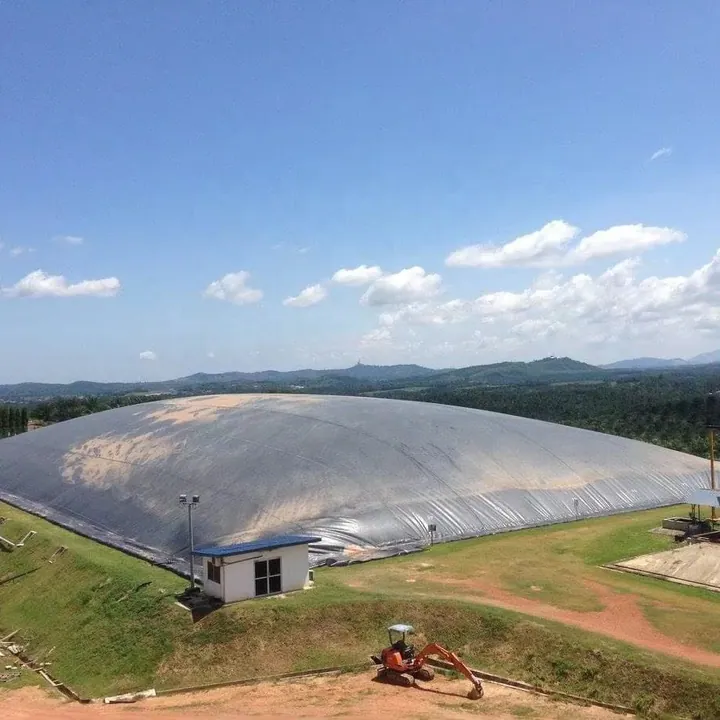
Selection Guides
Implementation steps
- List temperature conditions
Record air, sheet, fluid and transport conditions.
- Define exposure
Distinguish construction, intermittent and permanent exposure.
- Review durability records
Match methods, editions and material identification.
- Plan site controls
Specify trial welding, shade, ballast and protective cover.