
For project materials, traceability is useful only when each document can be tied to the physical rolls delivered. A practical chain connects the approved specification, production lot, finished-roll ID, test record, package label and container position.
Documents must identify the actual goods
A certificate without a roll range does not tell the site team which data apply to which material. Use stable, unique identifiers across the purchase order, test report, label and packing list.
- Freeze the approved specification revision
- Print product, dimensions and roll ID on every label
- State the roll-number range on batch reports
- Record packages or roll IDs on the loading list
Connect production release with inspection
Lock the technical schedule before production, retain lot information during manufacture and release labels only after inspection. Isolate nonconforming material instead of mixing it with approved rolls.
Verify traceability at destination
Check container seals, package condition and a sample of roll labels against the packing list before dispersing the shipment. Quarantine any package with inconsistent identification until the record chain is reconciled.
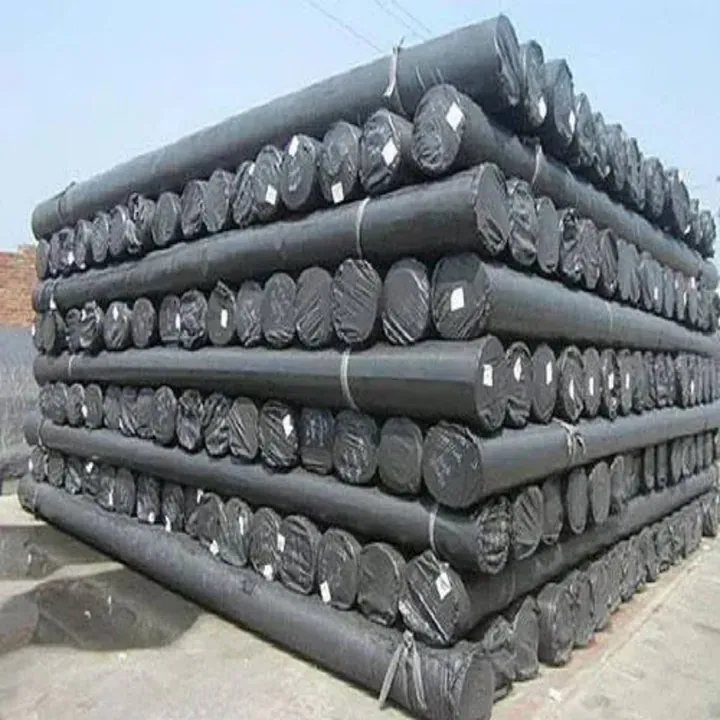
Project action list
What the procurement or project team should do next
Specify roll and batch identification in the purchase order
Approve the required report format before production
Photograph seals, packages and sampled labels on arrival
Keep disputed rolls segregated until disposition is agreed