
Selection guides
Project judgments and procurement conclusions
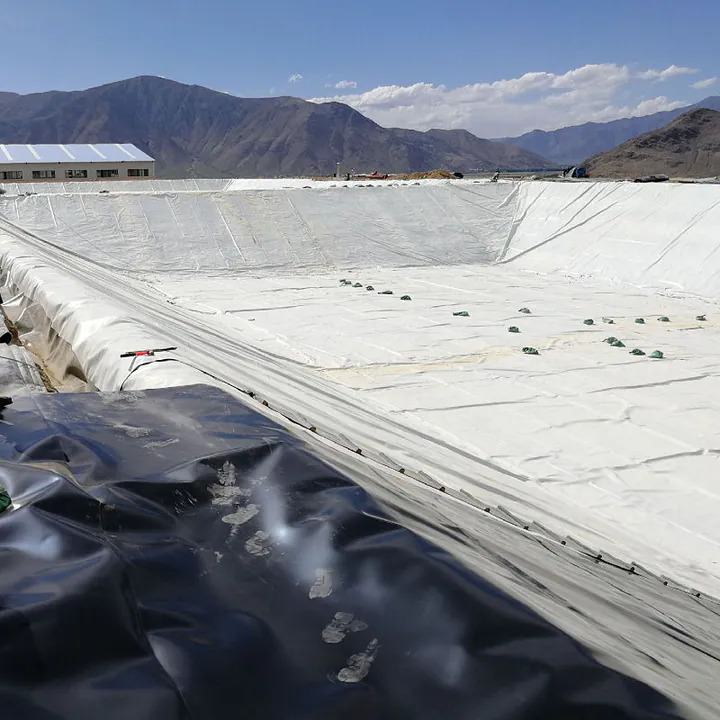
One sheet is suitable for structures that are either pierced from one side or need to be welded easily on one side; two layers are more commonly protected from the top down; the base layer is rougher or covers construction damage. The type must be written separately, the fabric thickness and the composite striping mass, and can not be reported only as a gross weight, as the same total weight may correspond to completely different geomembrane thickness and resistance.
Selection guides
Key parameters and quick judgement tables
| Structure | Conditions of use | How to buy writing |
|---|---|---|
| One layer | One-sided protection, tunnels and general water protection | The thickness of the film + single side weight + total width |
| Two layers of film | The top and bottom of the two-way protection, the rough base layer | Mental thickness + two-sided weighing + stripping requirements |
| Live film + independent geotextile | Complex nodes that are easy to weld and repair separately | Reception and fabric separately |
| Special working conditions | High water, strong deformation or chemical media | Special compatibility with structural design |
Selection guides
Acceptance points and common risks
- Just look at the weight of the box.The skin of the skin may be thin with a thick cloth.
- The effect of the wire on weldingThe unreserved or untreated complex side leads to a silicon defect.
- The difficulty of moving large volumesThe rolling stock, suspension points and construction corridors must be verified in advance.
Selection guides
Steps to landing
- The functional layerThe main role of the subject is to protect, protect and protect against the elements.
- Locking single-item parametersThe length of the column is defined by the thickness of the membrane, the weight of the clay material, the width and the strength.
- Review of the weldingConfirm the complex side-processing and on-site linking processes.
- The following is a list of some of the most common types ofThe first is the use of concrete and ground-covered testing to develop, weld and protect effects.