
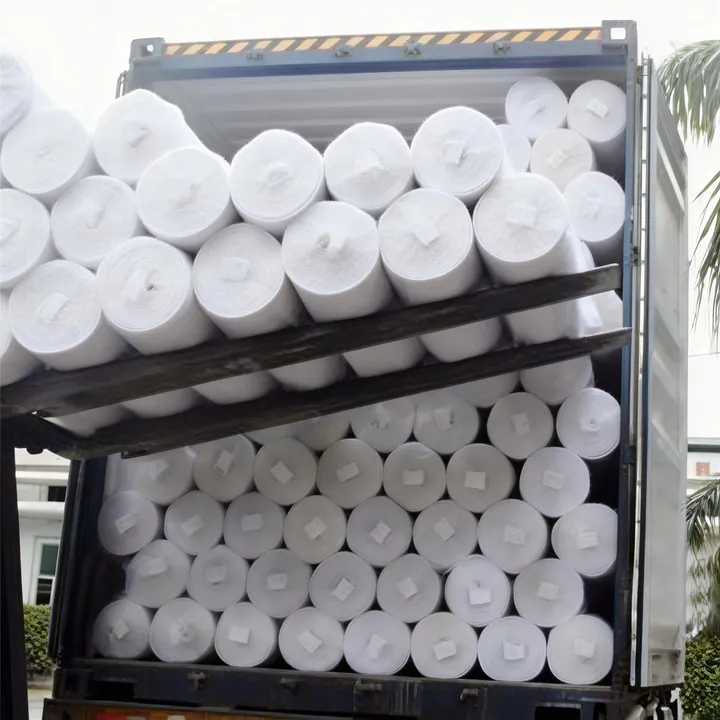
Long sea voyages expose cargo to changing temperature and humidity, including possible container condensation. Geotextiles need continuous moisture protection; geomembranes need end, surface and core protection against lifting and compression damage.
Pack for the actual product risk
Protect geotextiles from moisture and contamination; protect geomembrane surfaces, ends and cores from abrasion and crushing; prevent geogrid junction or coating damage from tight bends.
Control contact and load paths
Use a clean, dry container without sharp projections. Plan support, restraints, lifting access and the unloading sequence instead of relying on tight packing alone.
Inspect on arrival
Photograph wet, torn or shifted packages before moving them. Store rolls off the ground, covered as required and protected from long-term sunlight or standing water.
Project action list
What the procurement or project team should do next
State voyage and expected storage duration
Approve pallet, core and moisture-barrier requirements
Request loading and seal photographs
Prepare safe unloading and covered storage