
Selection guides
Project judgments and procurement conclusions
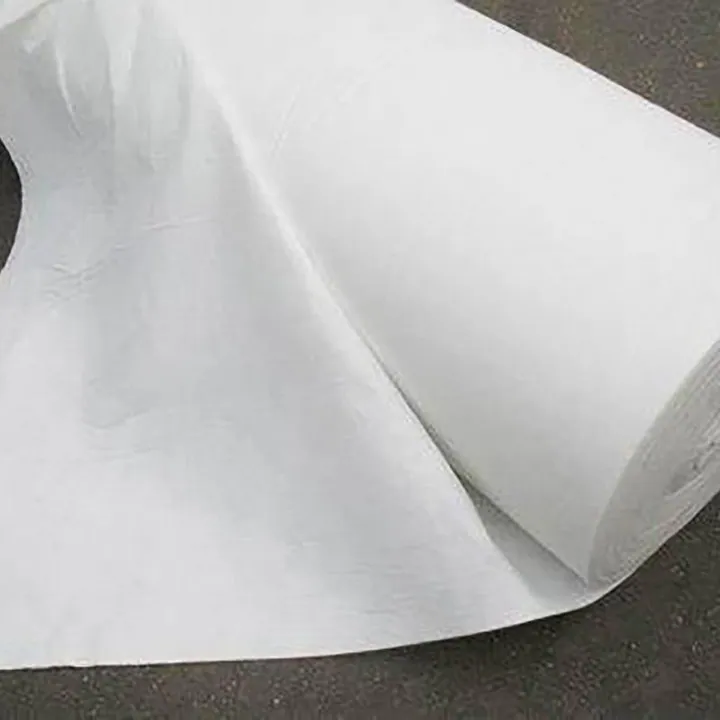
The weight is a simple and easy to communicate specification mark, and cannot stand alone for filtration and strengthening capabilities. The feedback layer should simultaneously check effective perforation and permittivity; the protection layer should focus on checking CBR top breaks and dynamic perforations; the isolation and soft base construction should also look for longitudinal strength and stretch. continuous-filament geotextile is usually suitable for projects with higher strength and long-term filtration requirements, and staple-fiber geotextile is more flexible for attachment to uneven surfaces and buffers.
Selection guides
Key parameters and quick judgement tables
| Useful | Common first-round draft picks | Key indicators |
|---|---|---|
| Park isolation/temporary coverage | 100–200 g/m² | Uniformity, stability of the connection |
| Road seclusion/feedback | 200–400 g/m² | The water is not a problem. |
| Protection layer of the geomembrane | 300–600 g/m2 or more | CBR tops, dynamic holes |
| Overloaded or grossly filled | Designed by experiment | The presence, thickness, and friction of the interface |
Finally, the weight of the grain is matched to the soil grade, the filling particle size and the construction equipment.
Selection guides
Steps to landing
- Get a sample of the sampleAt least the D15, D50, D85 and fine particulate matter content are specified.
- Identifying FunctionsThe first is to distinguish between filtering, isolation, drainage, protection or addition.
- Matching constructionExplanation of the maximum particle size of the filler, the height of the filler and the filler pressing equipment.
- Comparison reportsThe same experimental method compares the perforation, permeability and mechanical data.
Selection guides
Acceptance points and common risks
- Just buy a high-weight.The opening of the gaps may still be blocked or the soil leaks.
- Directly after the pavingUncovered clay can easily be rolled up or torn by tires.
- Ignoring the differences along the linesThe procurement report should show both strength and breadth.