
Construction lessons
Acceptance points and common risks
- The power of YokohamaThe horizontal attachment is easier to remove and should be moved as far as possible to the platform or slope.
- Water is provided after rainThe pressure of the hole and the mud will reduce the strength of the interface.
- Top of the single-story pileUneven loads can stretch membranes and damage the firmness.
Construction lessons
Steps to landing
- The slope of the roadThe water is cleared and the water is cut off.
- Completion of the entrenched gapIdentify the location, size, angle and refill of the material.
- The SwingingThe use of soft straps and tow ropes is prohibited under the rolling materials.
- Sections of the screeningThe first is the use of a woven fabric and the second is the use of a woven fabric.
Construction lessons
Key parameters and quick judgement tables
| Control points | Construction requirements | Examining the Evidence |
|---|---|---|
| The slope | It's flat, it's not pine, it's not running water. | Base level acceptance records |
| The Great Barrier Reef | Size and refill according to the map | Measurements and photos |
| Set the direction | The first is the "Slow Down" and the second is the "Low Down". | The chart |
| Covered with soil | From the foot up, the partition is loaded | Construction logs |
Construction lessons
Project judgments and procurement conclusions
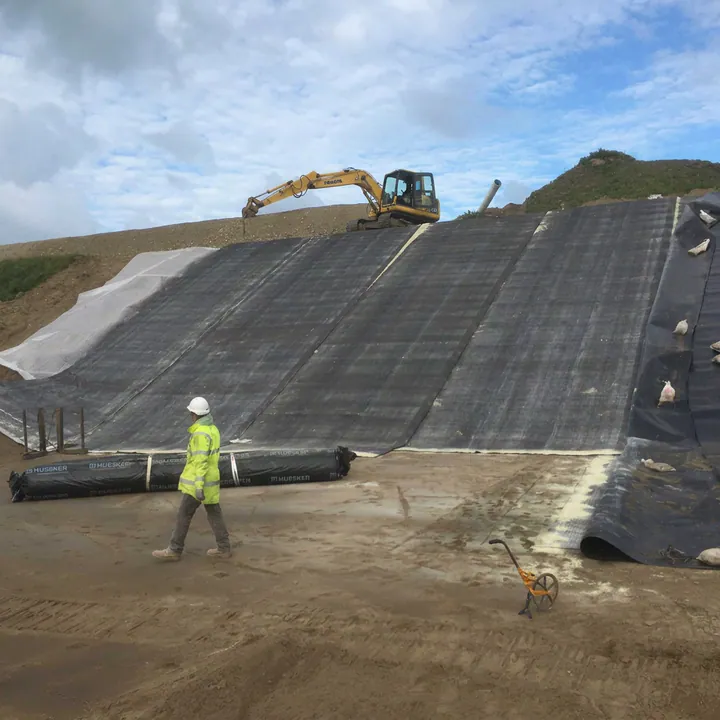
The slope of the pavement should extend from the top of the slope to the bottom of the slope, with the main slope being set as far as possible along the slope, to avoid the slope being stripped. The slope of the pavement must be received before the pavement; the long slope can be set to the middle platform or the gradual solidification. The slope can improve the surface friction, but the underground water-guided alignment, the construction order of the roof and the protection of personnel also determine the safety of the system.